
Note: Word count 4,548 words as shown by the WordPress editor.
A fishing lure is an artificial bait made to look, move or sound like something a fish eats, such as a small fish, a frog, an insect or a crayfish. For most fish in lakes, rivers and ponds, a soft plastic, a jig, a spoon and a spinner will cover most situations, and a beginner who learns those four types first will catch fish while learning the rest. This guide explains fishing lures in plain English for beginner and intermediate anglers in the USA, Canada and the UK: what each of the 12 main types does, what it costs, what it is good at, what it is bad at, and how to choose one for the water in front of you.
Every lure works on the same idea. It does not need to be a perfect copy of a real animal. It needs to be in the right place, at the right depth, moving in a way that makes a fish strike. Colour, size and speed matter, but they matter less than depth and location. A lure fished at the wrong depth will catch little, however good it looks, while a plain lure fished where fish are feeding will often catch fish.
TL;DR
- A fishing lure is artificial bait. It imitates prey by shape, colour, movement, flash or sound.
- Start with four types: soft plastic, jig, spoon and inline spinner. They catch trout, bass, panfish and walleye.
- Match the lure to depth first, then to what fish are eating, then to water colour and light.
- In murky water, use bigger, brighter or noisier lures. In clear water, use smaller, more natural lures.
- Live bait often catches more fish for a beginner, but lures let you cover more water and release fish more easily.
- Check local rules before you fish. Hook, bait and lure rules differ by state, province and country.
Table of Contents
- Types of Fishing Lures
- Quick Comparison Table
- Detailed Comparison Table
- How to Choose the Right Lure
- Common Mistakes to Avoid
- Cost, Market, or Trend Data
- Frequently Asked Questions
- Sources and Further Reading
- Related Guides
- Image Plan
- Verification List
Types of Fishing Lures
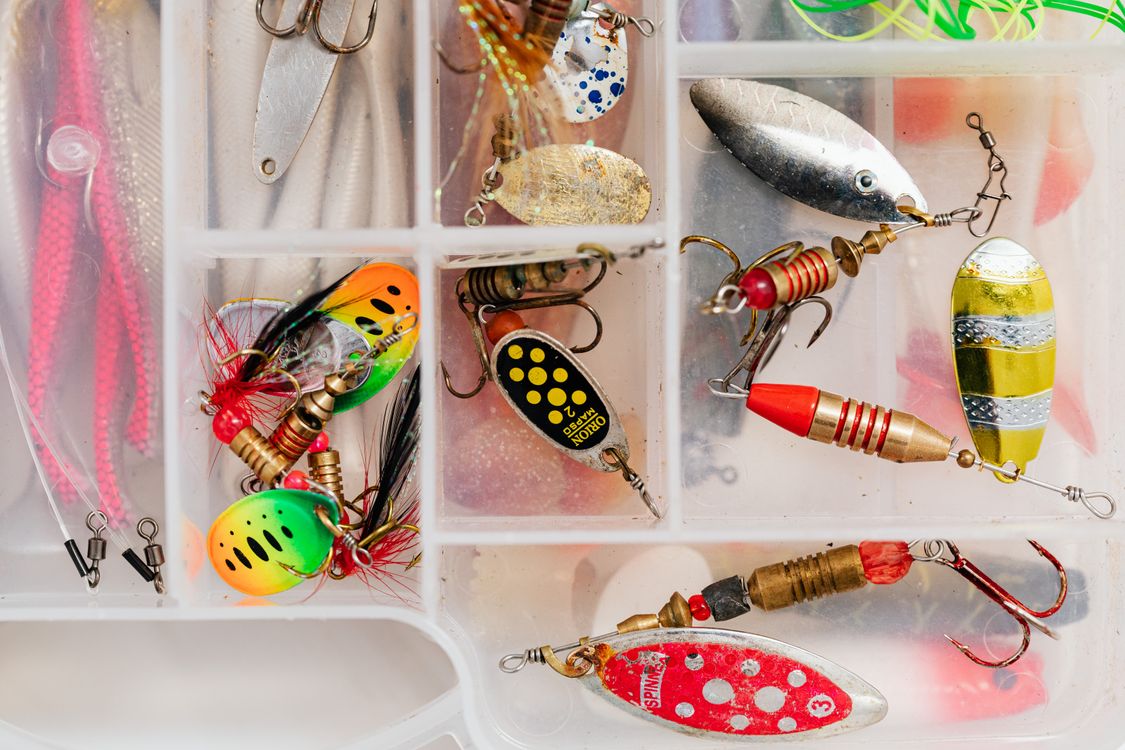
These 12 types cover almost every lure you will see in a tackle shop. Learn what each one imitates and where it fishes best.
1. Soft Plastic
What it is: A flexible, rubber-like imitation of a worm, grub, minnow, crawfish or creature bait, usually rigged on a hook or jig head. It is the most widely used lure type for bass, and it also catches trout, walleye and panfish.
Key data: [VERIFY] Typical worm length and pack size — check tackle shop listings, 2026. [VERIFY] Common jig head weights — check manufacturer specs.
How to use it: Cast, let it sink, then lift the rod tip slowly and let it fall on a slack line. Most bites come on the fall. Fish it slowly around weeds, logs and docks.
Pros: Lifelike action; works for many species; cheap per lure; easy to rig several ways.
Cons: Tears easily; hard to cast far without weight; slow to cover water; can be swallowed by fish.
Best for: Bass, walleye, trout and panfish around cover. Avoid if: You need to cover a large area quickly. Typical cost: [VERIFY] Pack of soft plastics and jig heads, 2026 (USD / GBP / CAD) — check tackle shop prices.
2. Jig
What it is: A weighted hook with a lead head and a skirt or soft plastic trailer. The weight makes it sink, and the skirt flares as it falls. Small jigs catch panfish and trout; larger jigs catch bass and walleye.
Key data: [VERIFY] Common jig weights for bass and panfish — check manufacturer specs. [VERIFY] Typical hook sizes — check manufacturer specs.
How to use it: Cast, let it sink to the bottom, then hop it back with short lifts of the rod tip. Keep the line tight enough to feel the bottom.
Pros: Gets down fast; works in deep water; good around rocks and wood; cheap.
Cons: Snags easily; slow to cover water; needs practice to feel bites; skirt wears out.
Best for: Bass and walleye near the bottom; panfish on small jigs. Avoid if: The bottom is very snaggy and you have no spares. Typical cost: [VERIFY] Single jig and pack of trailers, 2026 (USD / GBP / CAD) — check tackle shop prices.
3. Spoon
What it is: A curved piece of metal shaped like the bowl of a spoon. It wobbles and flashes as it moves, imitating a wounded baitfish. Spoons are one of the oldest lure types and still catch trout, pike, salmon and bass.
Key data: [VERIFY] Common spoon weights for trout and pike — check manufacturer specs. [VERIFY] Casting distance vs a plastic lure — check field test data.
How to use it: Cast and retrieve at a steady speed, with short pauses so the spoon flutters down. In rivers, cast across the current and let it swing down.
Pros: Casts far; simple to use; durable; catches many species.
Cons: Can twist the line; snags if retrieved too slowly; treble hooks are hard to remove; poor in thick weeds.
Best for: Trout, pike, salmon and bass chasing baitfish. Avoid if: You are fishing thick weeds or need a slow bottom presentation. Typical cost: [VERIFY] Single spoon, 2026 (USD / GBP / CAD) — check tackle shop prices.
4. Crankbait
What it is: A hard plastic or wooden lure with a lip at the front that makes it dive and wobble when reeled in. Crankbaits imitate baitfish and come in shallow, medium and deep diving versions.
Key data: [VERIFY] Diving depths for shallow, medium and deep models — check manufacturer specs. [VERIFY] Common lengths for bass — check manufacturer specs.
How to use it: Cast and reel at a steady speed so the lure dives to its depth. Let it bump into rocks and weed edges, then pause. Most strikes come just after it hits cover.
Pros: Covers water fast; dives to a set depth; deflects off cover; good for finding fish.
Cons: Snags in weeds and wood; treble hooks can injure fish; needs the right rod and line; hard to fish slowly.
Best for: Bass and walleye along weed edges, rock piles and drop-offs. Avoid if: The water is full of thick weeds. Typical cost: [VERIFY] Single crankbait, 2026 (USD / GBP / CAD) — check tackle shop prices.
5. Spinnerbait
What it is: A wire lure with one or two spinning metal blades on one arm and a jig-like head and skirt on the other. The blades flash and vibrate, which helps fish find it in murky water or low light.
Key data: [VERIFY] Common spinnerbait weights for bass — check manufacturer specs. [VERIFY] Blade types (willow, Colorado, Indiana) and their uses — check manufacturer guides.
How to use it: Cast and reel at a steady speed, keeping the lure just above weeds or just below the surface. Slow down in cold water and speed up in warm water.
Pros: Good in murky water; fairly weedless; covers water fast; works in wind and rain.
Cons: Hard to cast accurately; wire can bend; poor in very clear water; single hook can miss short strikes.
Best for: Bass and pike in murky water, around weeds and wood. Avoid if: The water is very clear or you are fishing for small panfish. Typical cost: [VERIFY] Single spinnerbait, 2026 (USD / GBP / CAD) — check tackle shop prices.
6. Topwater
What it is: A topwater lure floats or sits on the surface and imitates a frog, a mouse, an insect or a struggling baitfish. Types include poppers, walking baits and buzzbaits. Strikes are visible and often explosive.
Key data: [VERIFY] Best times of day and water temperatures — check state fisheries guidance. [VERIFY] Common lengths for bass — check manufacturer specs.
How to use it: Cast near cover, wait a few seconds, then work the lure with short twitches. Pause often. When a fish strikes, wait a half second before setting the hook.
Pros: Exciting, visible strikes; good in weeds and shallow cover; catches aggressive bass and pike.
Cons: Only works in the right conditions; many missed strikes; not good in deep water; hard in wind.
Best for: Bass and pike in shallow water, over weeds and lily pads, at dawn and dusk. Avoid if: It is cold, windy or midday, or fish are deep. Typical cost: [VERIFY] Single topwater lure, 2026 (USD / GBP / CAD) — check tackle shop prices.
7. Jerkbait
What it is: A long, slim, hard bait that looks like a minnow. It is worked with sharp jerks of the rod, which make it dart from side to side and then pause. The pause is often when a fish strikes.
Key data: [VERIFY] Common lengths and diving depths — check manufacturer specs. [VERIFY] Typical pause lengths in cold water — check fishing guides.
How to use it: Cast, reel in the slack, then jerk the rod tip down once or twice and pause. In cold water, pause longer. Keep the lure in the strike zone as long as you can.
Pros: Very lifelike minnow action; good in cold water; catches bass, walleye and trout.
Cons: Needs practice; treble hooks snag easily; slow to cover water; not good in weeds.
Best for: Bass, walleye and trout in clear, cool water, in spring and autumn. Avoid if: Fish are feeding fast near the surface or you are in thick weeds. Typical cost: [VERIFY] Single jerkbait, 2026 (USD / GBP / CAD) — check tackle shop prices.
8. Swimbait
What it is: A larger lure, hard or soft, made to look like a baitfish or a trout. It has a jointed or paddle-tail body that swims with a steady, realistic action on a straight retrieve.
Key data: [VERIFY] Common swimbait lengths for bass — check manufacturer specs. [VERIFY] Typical weights of hard swimbaits — check manufacturer specs.
How to use it: Cast and reel in slowly and steadily. Let the lure do the work. Fish it around points, weed edges and deep structure.
Pros: Very realistic action; attracts larger fish; good in clear water; works at many depths.
Cons: Expensive; needs heavy tackle; hard to cast on light gear; slow to learn.
Best for: Larger bass and pike in clear lakes, around structure. Avoid if: You have light tackle or are fishing for small fish. Typical cost: [VERIFY] Soft and hard swimbaits, 2026 (USD / GBP / CAD) — check tackle shop prices.
9. Frog
What it is: A hollow, soft-bodied lure shaped like a frog, with two hooks that sit close to the body. It is made to be fished over thick weeds and lily pads, where other lures would snag.
Key data: [VERIFY] Common frog lengths and weights — check manufacturer specs. [VERIFY] Typical hook-up rates — check fishing guides; rates vary (anecdotal only).
How to use it: Cast onto the weeds or pads, then walk the frog across the surface with short twitches. Pause in gaps. When a fish takes it, wait until you feel the weight before setting the hook hard.
Pros: Fishes over the thickest weeds; exciting surface strikes; catches large bass.
Cons: Many missed strikes; needs a heavy rod and braided line; hard to set the hook; only works in the right cover.
Best for: Bass in thick weeds, lily pads and slop in summer. Avoid if: There are no weeds or pads, or you are in open or deep water. Typical cost: [VERIFY] Single frog lure, 2026 (USD / GBP / CAD) — check tackle shop prices.
10. Inline Spinner
What it is: A small lure with a spinning metal blade on a straight wire shaft, above a weighted body and a hook. It is a classic trout lure, and it also catches panfish, bass and perch.
Key data: [VERIFY] Common inline spinner weights for trout — check manufacturer specs. [VERIFY] Typical blade sizes for small streams — check manufacturer specs.
How to use it: Cast upstream or across a stream, then reel in just fast enough to spin the blade. In lakes, cast and retrieve at a steady speed.
Pros: Very easy to use; catches trout well; cheap; casts well.
Cons: Twists the line; snags on the bottom; small hooks can be swallowed; poor in thick weeds.
Best for: Trout in streams and lakes, and panfish and perch in ponds. Avoid if: You are fishing thick weeds or deep water slowly. Typical cost: [VERIFY] Single inline spinner, 2026 (USD / GBP / CAD) — check tackle shop prices.
11. Fly
What it is: A small, light lure made of feather, fur, thread and hook, tied to imitate an insect, a nymph, a baitfish or a crustacean. Flies are fished with a fly rod and a weighted fly line, and are the standard lure for fly fishing for trout, bass and panfish.
Key data: [VERIFY] Common fly sizes for trout (hook sizes) — check fly fishing guides. [VERIFY] Typical fly line weights for trout — check the Fly Line Guide.
How to use it: Cast the fly with a fly rod so it lands softly on the water. Let a dry fly drift with the current, or strip a streamer back in short pulls.
Pros: Very precise presentation; catches wary trout; many patterns; light tackle is fun.
Cons: Needs fly gear and casting skill; hard in wind; not good for very deep water; steep learning curve.
Best for: Trout in streams and lakes, and panfish and bass on the fly. Avoid if: You have no fly rod or need heavy tackle. Typical cost: [VERIFY] Single fly and basic fly outfit, 2026 (USD / GBP / CAD) — check tackle shop prices.
12. Blade Bait / Lipless Crankbait
What it is: A blade bait is a thin, flat, metal lure that vibrates hard when reeled in. A lipless crankbait is a similar hard bait without a diving lip, with rattles inside. Both sink fast and vibrate, which helps fish find them in cold or murky water.
Key data: [VERIFY] Common blade bait weights for walleye and bass — check manufacturer specs. [VERIFY] Typical sink rates for lipless crankbaits — check manufacturer specs.
How to use it: Cast, let the lure sink to the bottom, then lift it with a sharp pull and let it fall on a tight line. Most bites come on the fall.
Pros: Sinks fast; strong vibration; good in cold water; casts far.
Cons: Snags easily; treble hooks can injure fish; hard to fish in weeds; tiring to work all day.
Best for: Bass, walleye and pike in cold, deep and murky water. Avoid if: You are in thick weeds, very shallow water, or want a slow presentation. Typical cost: [VERIFY] Blade bait and lipless crankbait, 2026 (USD / GBP / CAD) — check tackle shop prices.
Live Bait
Live bait is real, living bait: worms, minnows, crickets, leeches and grasshoppers. It smells, moves and tastes real, which is why it often catches fish when lures do not, especially for beginners. Worms catch almost everything. Minnows catch bass, walleye, pike and trout. Crickets catch panfish and trout. Keep live bait cool, in water or damp soil, and check local rules first: some waters ban live minnows or limit the species you can use.
Cut Bait
Cut bait is pieces of dead bait fished on the bottom: cut fish, chicken liver, shrimp and similar baits. It is a standard choice for catfish, which find food by smell, and it also catches carp and other bottom feeders. Cut fish works best when it is fresh. Chicken liver is cheap and effective for catfish, but it is soft and falls off the hook easily, so use a small piece and a treble hook or bait thread.
Quick Comparison Table
| Type | Best depth | Best water | Main fish | Speed | Beginner friendly |
|---|---|---|---|---|---|
| Soft Plastic | Bottom to mid | Clear to murky | Bass, walleye | Slow | Yes |
| Jig | Bottom | Clear to murky | Bass, walleye | Slow | Yes |
| Spoon | Mid to deep | Clear to murky | Trout, pike | Medium | Yes |
| Crankbait | Set depth | Clear to murky | Bass, walleye | Medium to fast | Yes |
| Spinnerbait | Shallow to mid | Murky | Bass, pike | Medium | Yes |
| Topwater | Surface | Clear to murky | Bass, pike | Slow to medium | Medium |
| Jerkbait | Shallow to mid | Clear | Bass, trout | Slow | Medium |
| Swimbait | Mid to deep | Clear | Bass, pike | Slow | No |
| Frog | Surface | Weeds | Bass | Slow | Medium |
| Inline Spinner | Shallow to mid | Clear to murky | Trout, panfish | Medium | Yes |
| Fly | Surface to mid | Clear | Trout, panfish | Slow | No |
| Blade / Lipless | Bottom to mid | Murky, cold | Bass, walleye | Medium | Medium |
Takeaway: depth and water clarity decide the lure, not the packaging.
Detailed Comparison Table
| Type | Cost | Setup time | Maintenance | Durability | Learning curve | Best use | Main drawback |
|---|---|---|---|---|---|---|---|
| Soft Plastic | [VERIFY] | Low | Low | Low | Easy | Cover, bottom | Tears easily |
| Jig | [VERIFY] | Low | Low | Medium | Easy | Bottom, rocks | Snags |
| Spoon | [VERIFY] | Low | Low | High | Easy | Open water | Line twist |
| Crankbait | [VERIFY] | Low | Low | Medium | Easy | Finding fish | Snags in weeds |
| Spinnerbait | [VERIFY] | Low | Low | Medium | Easy | Murky water | Poor in clear water |
| Topwater | [VERIFY] | Low | Low | Medium | Medium | Shallow, dawn/dusk | Missed strikes |
| Jerkbait | [VERIFY] | Low | Low | Medium | Medium | Clear, cool water | Needs practice |
| Swimbait | [VERIFY] | Medium | Low | Medium | Hard | Large fish | Needs heavy tackle |
| Frog | [VERIFY] | Low | Low | Medium | Medium | Thick weeds | Missed strikes |
| Inline Spinner | [VERIFY] | Low | Low | High | Easy | Trout streams | Line twist |
| Fly | [VERIFY] | High | Medium | Low | Hard | Clear streams | Needs fly gear |
| Blade / Lipless | [VERIFY] | Low | Low | High | Medium | Cold, murky water | Snags |
How to read it: start with the last two columns. If the best use does not match your water, and the main drawback is a problem there, skip that lure for today. Cost is marked [VERIFY] in every row because prices change by shop, country and year.
How to Choose the Right Lure
Work through these questions in order. The first one that gives a clear answer usually points to the lure.
- If fish are feeding on the surface at dawn or dusk, then use a topwater lure or a frog over weeds.
- If the water is murky or stained, then use a spinnerbait, a blade bait or a bright crankbait.
- If the water is clear and fish are wary, then use a small soft plastic, a jerkbait or a fly in natural colours.
- If fish are holding on the bottom in deep water, then use a jig, a blade bait or a soft plastic on a jig head.
- If you are fishing thick weeds or lily pads, then use a frog, a weedless soft plastic or a spinnerbait.
- If you are fishing a trout stream, then use an inline spinner, a small spoon or a fly.
- If you want to cover a lot of water fast, then use a crankbait, a spinnerbait or a spoon.
- If you are a beginner, then carry a soft plastic worm, a jig, a spoon and an inline spinner, and learn those four first.
Common Mistakes to Avoid
1. Fishing at the wrong depth
It is easy to cast and reel without thinking about where the lure is running. Fix it by counting the lure down and changing to a heavier or deeper lure if you are not reaching fish. Anglers often report (anecdotal only) that changing depth, not colour, is what finally gets a bite.
2. Reeling too fast
A fast retrieve feels active, especially when you are excited. Slow down, pause often, and let soft plastics and jigs fall. Anglers often report (anecdotal only) that most bites come on the pause or the fall.
3. Using the wrong size
Big lures look impressive in the shop. Match the lure to the baitfish you see in the water, and go smaller in clear water or when fish ignore larger lures.
4. Setting the hook too early on topwater
A surface strike is exciting, and the first reaction is to strike back at once. Wait until you feel the weight of the fish, then set the hook. Anglers often report (anecdotal only) that waiting a half second improves hook-ups on topwater lures.
5. Buying too many lures too soon
Tackle shops are full of lures that promise results. Buy four or five lures in the types above, learn them well, and only add a new type when you know what it is for. Anglers often report (anecdotal only) that a small, well-used tackle box catches more than a large box of lures never fished properly.
Cost, Market, or Trend Data
| Metric | Value | Year | Source | Link |
|---|---|---|---|---|
| Typical price of a single hard lure | [VERIFY] | 2026 | Tackle shop price lists | [URL TO VERIFY] |
| Typical price of a pack of soft plastic lures | [VERIFY] | 2026 | Tackle shop price lists | [URL TO VERIFY] |
| Number of licensed anglers, USA | [VERIFY] | 2026 | U.S. Fish and Wildlife Service | [URL TO VERIFY] |
| Recreational fishing participation, USA | [VERIFY] | 2026 | Outdoor Industry Association / RBFF | [URL TO VERIFY] |
| Most popular lure type by sales | [VERIFY] | 2026 | Industry sales reports | [URL TO VERIFY] |
Interpretation: no market figure is given here because lure prices and participation numbers change by year, region and source, and this guide does not invent them. Soft plastics and jigs are among the cheapest ways to start, hard baits cost more per lure, and the cheapest way to improve is usually to fish the lures you already own at the right depth.
Frequently Asked Questions
How do you know which lure to choose?
Start with depth, then with what fish are eating. If fish are on the bottom, use a jig or soft plastic. If they are chasing baitfish, use a spoon, crankbait or spinnerbait. Match size and colour to the water, and change one thing at a time until you get bites.
Is live bait or lures better for bass?
Live bait, especially minnows and worms, often catches more bass for a beginner because it smells and moves naturally. Lures are better when you want to cover water, fish weeds, or release fish quickly. Many anglers use both, depending on the day.
What colour lure should I use?
Use natural colours, such as green, brown and silver, in clear water and bright colours, such as chartreuse, orange and white, in murky water. On bright days, try darker colours. On cloudy days, try brighter colours. Change colour only after trying depth and speed.
What lure in murky water / clear water?
In murky water, use a spinnerbait, blade bait or bright crankbait that fish can find by flash and vibration. In clear water, use a small soft plastic, jerkbait or fly in natural colours, with lighter line and a slower, more careful presentation.
When should I use a topwater lure?
Use a topwater lure at dawn or dusk, on warm, calm days, and in shallow water over weeds or lily pads. Avoid topwater lures in cold water, strong wind or deep water, when fish are holding near the bottom.
What lures should a beginner carry?
Carry a soft plastic worm, a jig, a spoon and an inline spinner, in two or three natural colours each. That small set catches trout, bass, panfish and walleye in most lakes, ponds and rivers, and it is cheap to replace.
What is the best bait for bass/trout/catfish/panfish?
For bass, try soft plastics, jigs and crankbaits, or live minnows. For trout, try inline spinners, small spoons and flies. For catfish, try cut bait and chicken liver on the bottom. For panfish, try small jigs, inline spinners and worms under a float.
How do I keep live bait alive?
Keep minnows in cool, oxygenated water with a battery aerator, and change the water often. Keep worms in damp soil in a cool, shaded container. Keep crickets in a ventilated container with food and water. Never release unused live bait into the water.
Sources and Further Reading
- Wikipedia — Fishing lure. https://en.wikipedia.org/wiki/Fishing_lure
- Wikipedia — Fishing bait. https://en.wikipedia.org/wiki/Fishing_bait
- U.S. Fish and Wildlife Service — Fishing. https://www.fws.gov/fishing
- NOAA Fisheries — Recreational fishing. https://www.fisheries.noaa.gov/ [URL TO VERIFY for the specific recreational fishing page]
- Take Me Fishing (Recreational Boating & Fishing Foundation). https://www.takemefishing.org/
- Bassmaster — Bass fishing news, tips and tournaments. https://www.bassmaster.com/
- Field & Stream — Fishing tips and gear. https://www.fieldandstream.com/
- Tackle Warehouse — Lure types and tackle guides. https://www.tacklewarehouse.com/
- Reddit r/Fishing — Angler reports and discussion (user experiences). https://www.reddit.com/r/Fishing/
- Pexels — Free fishing lures photos used on this page. https://www.pexels.com/search/fishing%20lures/
Related Guides
- Trout Fishing Guide
- Bass Fishing Guide
- Best Lures for Bass 2026
- Braid vs Mono vs Fluorocarbon
- Fly Line Guide
- Catfish Fishing Guide
- Panfish Fishing Guide
Image Plan
| Section | Image description | Alt text | Search terms | Source | License to verify |
|---|---|---|---|---|---|
| Featured image | Flat lay of four fishing lures on a light background | Flat lay of four fishing lures on a light background | fishing lures flat lay | Pexels, photo 6478087 by kaboompics | Pexels License — verify on the Pexels photo page |
| Types of Fishing Lures | Assorted fishing lures in a tackle box | Assorted fishing lures in a tackle box | fishing lures tackle box | Pexels, photo 6478088 | Pexels License — verify on the Pexels photo page |
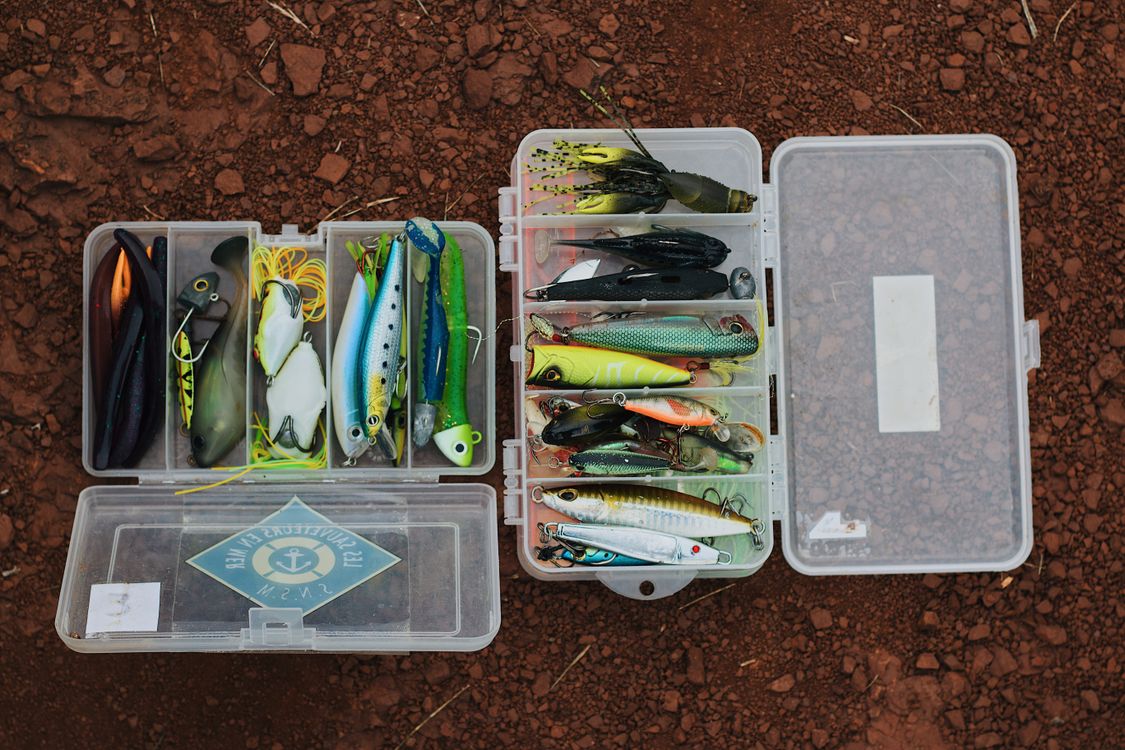
| How to Choose the Right Lure | Open tackle boxes displaying colorful fishing lures on a rocky surface | Open tackle boxes displaying colorful fishing lures on a rocky surface | fishing lures tackle box | Pexels, photo 14339531 | Pexels License — verify on the Pexels photo page |
Verification List
Every [VERIFY] item in this guide, and what to check before quoting it as fact:
- All 12 types, Key data: sizes, weights, depths and hook sizes — check manufacturer specs and fishing guides.
- All 12 types, Typical cost: prices in USD / GBP / CAD, 2026 — check current tackle shop prices.
- Detailed comparison table: cost for every type — check current tackle shop prices, 2026.
- Cost, Market, or Trend Data table: all values — check tackle shop price lists, U.S. Fish and Wildlife Service, Outdoor Industry Association / RBFF and industry sales reports; URLs marked [URL TO VERIFY].
- NOAA Fisheries specific recreational fishing page URL — [URL TO VERIFY].
- Image licences — verify the Pexels License on each Pexels photo page listed in the Image Plan.