You’re on the lake at 6:30 AM. The water is flat, and you can see shad flickering near the surface. You tie on a chartreuse spinnerbait because it worked last weekend. Two hours later, you’ve had one short strike. Meanwhile, the guy 50 yards away is landing his third bass on a soft plastic crawdad. What does he know that you don’t?
Lure selection isn’t guesswork. It’s a sequence of practical decisions based on what the bass are seeing, feeling, and metabolically willing to chase. This guide walks you through those decisions step by step—forage, water clarity, water temperature, depth, and retrieve speed—so you can pick the right lure for the conditions you’re fishing, not the one that worked last time.

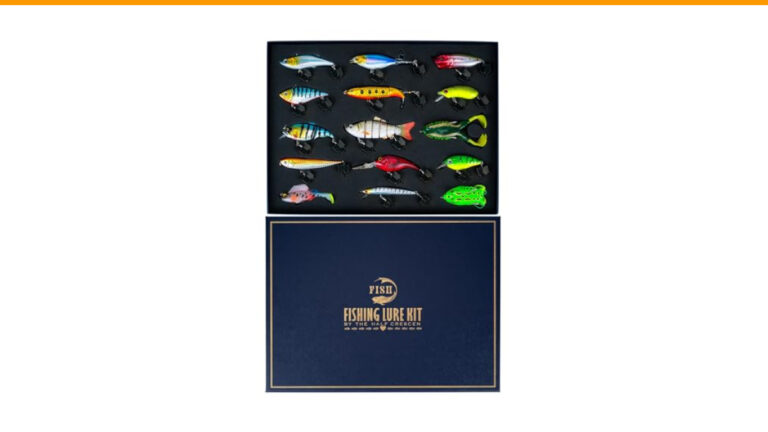
HALF CRESCEN
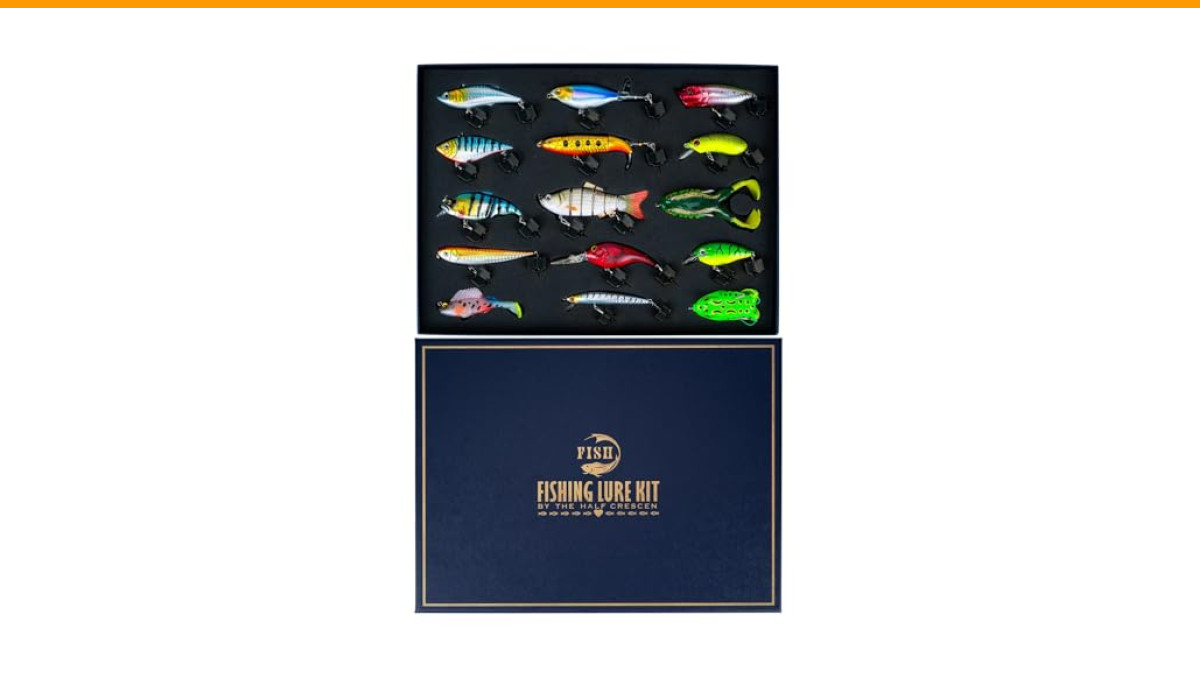
Fishing Lures Kit for Bass, 15PCS Swimbaits Crankbaits Fishing Tackle Set
- 【Catch More Bass with Realistic Action】Designed with lifelike swimming motion and detailed fish patterns, these fishing lures trig…
- 【15PCS Complete Fishing Lure Kit】Includes hard baits, soft plastic swimbaits and multi-style fishing lures to match different fish…
- 【Freshwater & Saltwater Ready】Built for lakes, rivers, ponds and coastal waters. Effective for bass fishing, trout fishing and pik…
You’ll also learn how to read a lake map to pre-select lures before you cast, and what to change when the bite shuts off. And if you’re looking to build a versatile starting kit without breaking the bank, the HALF CRESCEN Fishing Lures Kit for Bass includes 15 hard and soft baits—swimbaits, crankbaits, and more—that cover most seasonal situations. It’s a solid foundation, but the real skill is knowing when to throw each one.
Why Lure Selection Is the #1 Bass Fishing Skill
You can have the most expensive rod, the smoothest reel, and the sharpest hooks in the world, but if the lure doesn’t match what the bass are eating or feeling that day, you’re just exercising your casting arm. Bass are opportunistic, but they’re also lazy. They won’t chase something that looks or acts unnatural, especially in cold water or high pressure.
Think of lure selection as a filter. You’re narrowing down hundreds of options to the one or two that fit the current conditions. The variables are forage (what they’re eating), water clarity (how well they can see), water temperature (how fast they’ll chase), and depth (where they’re holding). Get those four right, and you’re in the top 10% of anglers.
The good news: you don’t need 200 lures. You need a handful of proven styles and the knowledge to deploy them correctly. That’s what this article gives you.
Step 1: Match the Hatch (Forage & Baitfish)
Bass eat whatever is abundant and easy. On most lakes, that’s shad, bluegill, crawfish, or frogs. Start by identifying the primary forage in your body of water. Look at the shoreline for baitfish schools, check the stomachs of any bass you catch, or ask local tackle shop owners—they usually know.
Here’s how to match your lure to the forage:
- Shad: Silver with a white or pearl belly. Use chrome crankbaits, white spinnerbaits, or silver swimbaits. Shad are fast, so retrieve with a steady, medium speed.
- Bluegill: Darker profile with olive or pumpkin colors. Use jigs with a chunk trailer or soft plastics in green pumpkin. Bluegill are slower, so fish them near cover with a bottom-bouncing retrieve.
- Crawfish: Brown, orange, or red. Use crankbaits with a square bill or jigs with a craw trailer. Crawfish move in short bursts, so use a stop-and-go retrieve.
- Frogs: Green or black. Use hollow-body frogs or buzzbaits over lily pads and grass mats. Frogs sit on the surface, so work them slowly with pauses.
Pro tip: If you catch a bass and it spits up something, look at what it is. That’s your forage for the day. Match it exactly.
Step 2: Read Water Clarity First (Clear, Stained, Muddy)
Water clarity determines how visible your lure is and how closely you need to match the natural prey. It also dictates color and action. Here’s the rule of thumb:
- Clear water (visibility over 4 feet): Bass can see details, so use natural colors (shad, green pumpkin, watermelon) and subtle actions. Finesse worms, drop shots, and jerkbaits work well.
- Stained water (visibility 1–4 feet): Bass see silhouettes, not colors. Use brighter colors like chartreuse, fire tiger, or orange, and add some vibration with a spinnerbait or crankbait.
- Muddy water (visibility under 1 foot): Bass rely on vibration and sound. Use dark colors (black, purple) or loud patterns like chartreuse with a big Colorado blade. Slow down your retrieve so they can find it.
Lure Color Rules by Clarity
| Water Clarity | Best Colors | Lure Types | Retrieve Speed |
|---|---|---|---|
| Clear | Natural: shad, green pumpkin, watermelon | Finesse worms, drop shot, jerkbait | Slow to medium, with pauses |
| Stained | Bright: chartreuse, fire tiger, orange | Spinnerbait, crankbait, swim jig | Medium, steady |
| Muddy | Dark: black, purple, or loud chartreuse | Jig with trailer, spinnerbait with big blade | Slow, with vibration |
One more thing: sky conditions matter. On a bright, sunny day, even clear water can benefit from a little flash. On overcast days, bass roam more, so use noisy baits like a topwater or a spinnerbait with a thumping blade.
Step 3: Match Water Temperature & Bass Metabolism
Bass are cold-blooded. Their metabolism—and willingness to chase—depends on water temperature. Here’s a breakdown by season:
- Cold water (below 50°F): Bass are sluggish and hold deep. Use slow presentations like jigs, blade baits, or suspending jerkbaits with long pauses. Retrieve very slowly, almost dragging.
- Cool water (50–60°F): Bass start moving toward spawning areas. Use jerkbaits, square-bill crankbaits, and jigs. They’ll chase a little more, but still not fast.
- Warm water (60–75°F): This is the sweet spot. Bass are aggressive. Use spinnerbaits, crankbaits, topwater, and soft plastics. Vary your retrieve speed until you find what they want.
- Hot water (above 75°F): Bass go deep or seek shade. Use deep-diving crankbaits, Texas-rigged worms, or drop shots. Fish early morning or late evening when they come shallow.
A simple rule: the colder the water, the slower the retrieve. The warmer the water, the faster you can go—but don’t forget the pause. Even in warm water, a sudden stop often triggers a strike.
Cold Water (Below 50°F) — Special Considerations
In cold water, bass won’t move far to eat. You have to put the lure right in front of their face. Use a slow, steady retrieve with a jig and a pork or plastic trailer. Or try a suspending jerkbait that you twitch and then let sit for 10–15 seconds. That pause mimics a dying baitfish, which is an easy meal.
Also, downsize your lure. A 4-inch finesse worm will get more bites than a 6-inch creature bait in cold water.
Step 4: Use a Lake Map to Pre-Select Lures
Before you even cast, look at a lake map (on your phone or a paper map). Identify the key structures: points, ledges, humps, creek channels, and flats. Bass relate to these because they offer ambush points and access to deep water.
Here’s how to pre-select lures based on map features:
- Points: These are classic bass highways. Use a crankbait or spinnerbait to cover water, then switch to a jig or worm if you mark fish on your electronics.
- Ledges and drop-offs: Bass hold on the edge. Use a deep-diving crankbait or a football jig. Cast parallel to the ledge and feel for the bottom.
- Flats with grass: Use a Texas-rigged worm or a swim jig. Work it through the grass slowly, and don’t be afraid to punch through the mat.
- Creek channels: Bass use these as travel routes. Use a spinnerbait or a lipless crankbait and burn it over the channel.
Pro tip: If you’re fishing a lake you’ve never seen, spend 10 minutes studying the map before you launch. Mark three spots you want to hit. That will save you hours of unproductive water.
Step 5: On-the-Water Decision Tree (When Bites Stop)
You’ve been fishing for an hour with a crankbait and caught a few, but now the bite has died. What do you do? Here’s a quick decision tree:
- Are the bass still there? Check your electronics. If you mark fish, they’re still there. If not, move.
- Is the sun higher than when you started? If yes, bass likely moved deeper or under cover. Switch to a deeper presentation or a slower one.
- Have you caught fish on this lure? If yes, change the retrieve speed first. If you’ve been reeling steady, try a stop-and-go. If that doesn’t work, change the color.
- Are you fishing the same depth? Bass may have shifted a few feet deeper. Use a lure that runs a bit deeper, or add a heavier weight.
- Is the wind blowing? Wind pushes baitfish to the bank. Fish the windward side with a spinnerbait or crankbait.
If you’ve gone through all that and still no bites, switch to a finesse presentation—a drop shot or a wacky rig. Sometimes a smaller, slower bait is the only thing that works.
Budget vs. Performance: The 5 Lures That Cover 90% of Situations
You don’t need a tackle box full of everything. Here are the five lure types that will cover most bass fishing situations, from beginner to advanced:
| Lure Type | Best For | Key Retrieve | Budget Pick |
|---|---|---|---|
| Spinnerbait | Stained water, wind, covering water | Steady, medium speed | Classic white or chartreuse |
| Jig with trailer | Cold water, deep structure, heavy cover | Slow, bottom-bouncing | Football jig or flipping jig |
| Soft plastic worm (Texas-rigged) | All conditions, especially finesse | Slow, with pauses | Green pumpkin or watermelon |
| Crankbait (square-bill or lipless) | Covering water, shallow to mid-depth | Steady, with occasional pauses | Shad pattern or crawfish |
| Topwater (popper or frog) | Early morning, low light, grass mats | Slow, with pops and pauses | Hollow-body frog or popper |
For beginners, start with a spinnerbait and a Texas-rigged worm. They’re forgiving and catch fish in most conditions. For advanced anglers, learn the jig and the drop shot—they’ll get you bites when nothing else works.
The HALF CRESCEN 15-piece lure kit includes several of these types, so it’s a good starter pack. Just remember that the kit’s lures are mid-quality—fine for learning, but you’ll want to upgrade your favorite styles over time.
Common Mistakes and How to Avoid Them
Even experienced anglers fall into these traps. Here are the three most common mistakes I see, and how to fix them:
- Using the same lure all day. Conditions change—sun angle, wind, and bait movement. Every hour, ask yourself: would I still throw this? If the bite slows, change something.
- Ignoring wind direction. Wind pushes baitfish and bass to the windward bank. If you’re fishing the calm side, you’re missing the action. Move to the wind and use a spinnerbait or crankbait.
- Retrieving too fast in cold water. In 50°F water, a fast retrieve is unnatural. Slow down. Let the lure sink, pause, and barely crawl it. Bass will often hit on the pause.
Frequently Asked Questions
What is the best lure color for muddy water?
In muddy water, use dark colors like black, purple, or blue, or loud patterns like chartreuse with a big blade. Bass can’t see color, but they can see the silhouette and feel the vibration. A dark silhouette stands out against the sky, and a spinnerbait with a large Colorado blade pushes water they can feel.
How do I choose between a crankbait and a spinnerbait?
Choose a crankbait when you want to deflect off cover (like rocks or wood) or fish a specific depth. Choose a spinnerbait when you want to cover water quickly in stained or windy conditions. Crankbaits produce a tighter vibration; spinnerbaits produce a broader thump. If you’re not sure, start with a spinnerbait—it’s more forgiving.
When should I use a jig instead of a soft plastic worm?
Use a jig when you need a heavier presentation to get through thick cover or when you want to imitate a crawfish. Use a soft plastic worm when you need a finesse approach in clear water or when bass are finicky. Jigs are bulkier and slower; worms are more subtle. If bass are short-striking your jig, switch to a worm.
What’s the best time of day to throw a topwater lure?
Topwater lures work best in low light—early morning, late evening, or overcast days. That’s when bass feel confident hitting something on the surface. Also try a topwater at night during the summer, using a black frog or a buzzbait. If the water is flat and calm, a popper with a slow cadence works well.
How do I adjust my lure if the bass are following but not striking?
If bass follow but don’t strike, they’re either not hungry or your presentation is off. First, slow down your retrieve and add a pause. Second, switch to a smaller lure or a different color. Third, try a different action—like a jerkbait with a twitch-pause-twitch instead of a steady retrieve. Sometimes a simple change in speed is all it takes.
Final Thoughts: What to Remember on the Water
You don’t need to overthink this. The next time you’re on the water, run through these steps:
- Identify the forage first—shad, bluegill, crawfish, or frogs.
- Check water clarity—clear, stained, or muddy—and pick colors accordingly.
- Match water temperature to retrieve speed—cold water slow, warm water faster.
- Use a lake map to find points, ledges, and grass flats before you cast.
- When the bite stops, change depth, speed, or color—in that order.
- Keep a 5-lure core kit: spinnerbait, jig, worm, crankbait, and topwater.
- Don’t ignore wind—fish the windward side.
Lure selection is a skill you build with every trip. The more you pay attention to what the bass are telling you, the fewer blank days you’ll have. Now get out there and put these tips to work.