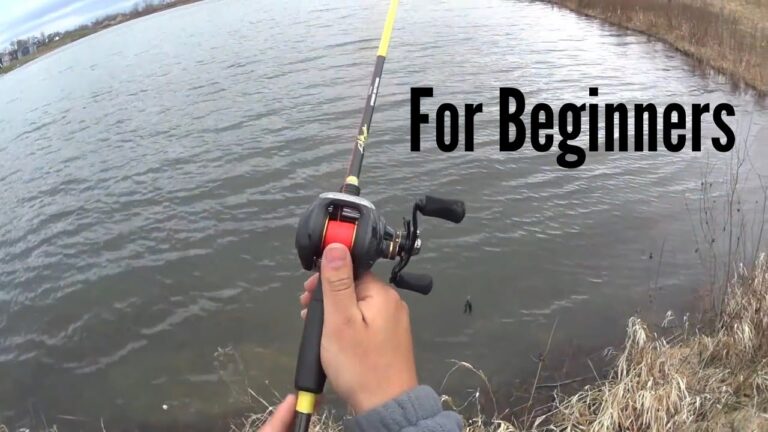
You’ve got the reel spooled with whatever was on sale, and the first cast of the morning turns into a rat’s nest so tight you need a pick and ten minutes of patience. Every angler has been there. The truth is, the line you choose has more to do with your success than almost any other piece of gear on your rod.
Baitcasting reels demand a specific kind of line. The wrong choice leads to constant backlash, poor casting distance, and lost fish. The right choice feels like an extension of your arm. We focus on line diameter, memory, and stretch because those three factors dictate how your reel performs under pressure.
This guide breaks down the single most important accessory for your baitcaster right now, plus a deep dive into the three main line types—braid, fluoro, and mono—so you can match your spool to your fishing style. We’ll also cover spooling techniques and leader setups that save you time on the water.
Here is a quick look at the featured product:
| Features | VBESTLIFE Line Stoppers |
|---|---|
| Material | ABS and steel wire |
| Primary Use | Prevents line retraction |
| Design | Tapered rubber and slot clamp |
| Installation | Quick, no tools needed |
| Best For | Spooling and storage |

VBESTLIFE 5PCS Fishing Line Stopper

VBESTLIFE
VBESTLIFE 5PCS Fishing Line Stopper, Baitcasting Reel Fishing Line Clip Holder, Buckle Keeper,
- [Lightweight to Portable]- Space saving, lightweight and portable is a great tool for fishing enthusiasts, suitable for drop wheel…
- [Use Purpose]- Can avoid the retraction of the thread of the water drop wheel and the drum wheel, and it is more convenient to use…
- [Quality Assurance]- Strict quality control and quality assurance, high safety factor, can be used with peace of mind.
This set of five line stoppers from VBESTLIFE solves a nagging problem every baitcaster user faces: the line slipping off the spool when you store the rod or swap reels. You thread the tapered rubber piece onto your line, push the end into the slot, and slide the sleeve over the tip. It takes about fifteen seconds per rod.
The build quality is simple but effective. The ABS plastic body holds up to repeated use, and the steel wire insert keeps its shape even after clamping down on braided line, which tends to be slicker than mono. For anglers who travel with multiple rods or store gear in a rod locker, these stoppers keep your spool tension intact so you don’t have to re-tune your reel every time you hit the water.
Honestly, these are a niche accessory. They won’t improve your casting distance or help you feel a subtle bite. If you only fish one rod and never take it apart, you might not need them. But for the organized angler who hates re-spooling or dealing with loose line, they are a cheap insurance policy.
- Five pieces per pack, so you can outfit multiple rods
- Compatible with braided, fluorocarbon, and monofilament lines
- Lightweight design that won’t add bulk to your rod handle
- Simple push-in mechanism that holds line securely
- Reusable—just slide off and move to the next rod
Best for: Anglers who store multiple rigged rods and want to keep line tension without re-spooling.
How We Chose These Products
We evaluated line options based on real-world fishing conditions, not just marketing claims. The core criteria were line diameter consistency, memory resistance, and how each material behaves on a baitcasting spool. Braid, fluoro, and mono each have distinct strengths, and the best choice depends on your target species and presentation.
We also considered practical factors like knot strength and abrasion resistance, since those determine whether you land a fish or get broken off in heavy cover. The VBESTLIFE stoppers earned their spot because they address a common maintenance issue that affects line performance over time.
Buying Guide: What Really Matters
Line diameter is the single most important factor for a baitcaster. A thicker line fills the spool faster, which reduces casting distance and increases the chance of backlash. Always check the actual diameter in millimeters, not just the pound test. Two brands can both say 12-pound test, but one might be significantly thicker, and that difference affects how your reel casts.
Line memory is another critical factor. Monofilament and some fluorocarbons hold the shape of the spool, which causes loops and tangles on the cast. Braided line has zero memory, which is why it’s the go-to choice for anglers who prioritize distance and backlash-free casting. If you prefer the low stretch of fluoro, consider a line conditioner to reduce memory.
Think about your technique. Flipping heavy jigs into thick grass demands braid for its strength and zero stretch. Cranking a shallow diver calls for mono’s buoyancy and stretch, which keeps treble hooks pinned. Match the line to the presentation, and you’ll fish with more confidence.
Our Top Recommendation
The VBESTLIFE line stoppers are our top pick for a simple reason: they solve a problem that affects every baitcaster user, regardless of line type. Keeping your line secured during storage prevents spool memory and maintains your reel’s tension settings. For the price, they are a smart addition to any tackle box.
If you’re looking for a more fundamental upgrade, consider switching to braided line for your main spool. It casts farther, has no memory, and lasts longer than mono or fluoro. Pair it with a short fluoro leader for situations where you need abrasion resistance or low visibility.
Frequently Asked Questions
Why does my baitcaster backlash more with monofilament than braid?
Monofilament has memory, meaning it retains the coils from the spool. When you cast, those coils create resistance and cause the spool to overrun. Braid is limp and has no memory, so it leaves the spool more smoothly. If you stick with mono, use a line conditioner and loosen the spool tension slightly.
How do I tie a braid-to-fluoro leader for a baitcaster?
Use an Alberto knot or a double uni knot. The Alberto knot is slimmer and passes through the guides easier. Wet the knot before cinching it down, and trim the tag ends close. A 15-20 pound fluoro leader works for most bass fishing situations.
What pound test braid should I use for frogging?
Go with 50-pound test braid for heavy cover. The thick diameter also helps prevent the line from cutting into the grass. For open water, 30-pound test braid casts farther and still has plenty of strength.
How do I spool braid onto a baitcaster to prevent line twist?
Fill the spool to about 1/8 inch from the rim. Overfilling causes wind knots, and underfilling reduces casting distance. Apply tension with your fingers while reeling, and make sure the line comes off the bulk spool in the same direction it goes onto the reel. If you notice twists, let the line trail behind the boat with a weight attached to straighten it out.