
You’ve spent good money on a boat, rods, and tackle. Yet, you’re still fishing blind, drifting over spots that might hold fish or might be empty water. The frustration of burning gas on unproductive stretches is a familiar feeling. A GPS fish finder changes that, turning guesswork into a precise, repeatable plan.
A great combo doesn’t just show you a bottom reading. It maps the lake, marks your waypoints, and helps you understand what’s below the surface. The key is finding a unit with a clear screen, reliable sonar, and a GPS that doesn’t lose its mind under tree cover. You need a tool that works as hard as you do, without a steep learning curve.
We’ve spent considerable time with the Humminbird Helix 5 G3 GPS. It’s a compact unit that packs serious features, often found on bigger, more expensive models. This review breaks down its real-world performance, who it suits best, and where it falls short. We’ll help you decide if this is the upgrade your fishing needs.
Here’s a quick look at how the key specs compare.
| Features | Helix 5 G3 GPS |
|---|---|
| Sonar Type | Dual Spectrum CHIRP |
| GPS Mapping | Basemap & AutoChart Live |
| Display Size | 5-inch screen |
| Control Method | Keypad & softkeys |
| Best Use Case | Small boats & kayaks |
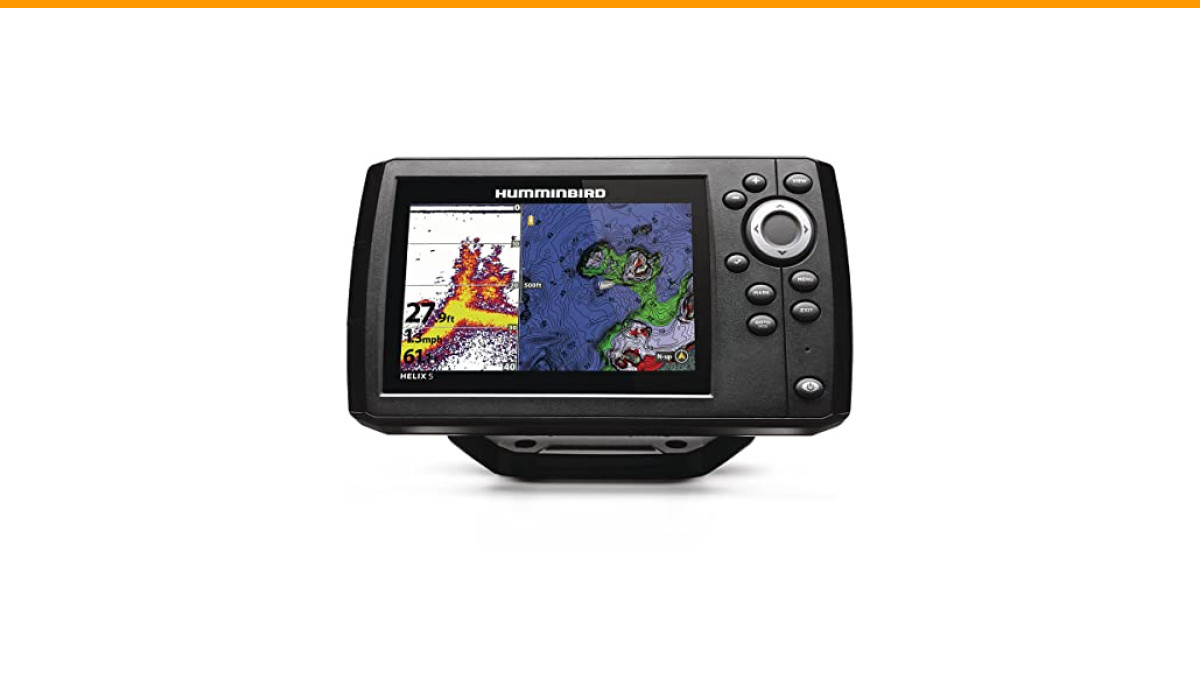
Humminbird Helix 5 G3 GPS

Humminbird
Humminbird Helix 5 G3 GPS Fish Finder with Transducer & Dual Spectrum Chirp Sonar
- Dual Spectrum CHIRP Sonar: Delivers views of fish arches and fish-holding structure with two ways to search — Wide Mode for maximu…
- Enhanced GPS Navigation: Equipped with Humminbird Basemap, this chartplotter includes coverage of 10,000+ lakes and continental U.…
- Enhanced GPS Navigation: Equipped with Humminbird Basemap, this chartplotter includes coverage of 10,000+ lakes and continental U.…
The Helix 5 G3 is a serious tool for the angler who wants GPS mapping and solid sonar without a massive screen dominating the console. It’s ideal for kayak fishermen, those with smaller aluminum boats, or anyone who prefers a tidy, functional setup. This unit replaces the need for a separate GPS and depth sounder, saving space and simplifying your rig. It’s a direct upgrade for anyone still running an old flasher or a basic non-GPS sonar unit.
What makes this Humminbird stand out is the inclusion of AutoChart Live. This feature is a game-changer for fishing unfamiliar lakes. As you motor around, the unit builds a detailed map of the bottom in real time, showing depth contours, bottom hardness, and vegetation. You’re not just looking at a static chart; you’re creating a custom map of the specific water you fish. The Dual Spectrum CHIRP sonar is also excellent, giving you the choice between wide coverage to find fish and a narrow beam for a detailed look at structure and fish arches.
It’s not a perfect unit, and a few trade-offs exist. The 5-inch screen is sharp, but it’s smaller than the 7-inch or larger units many anglers are used to. At trolling speeds, the detail is great, but the smaller display can feel a bit cramped when you’re trying to view the map and sonar simultaneously. The keypad interface has a learning curve; it took a full day of on-water use before menu navigation felt intuitive. Also, the included transducer is capable, but you’ll need to upgrade it if you ever want side imaging, which this unit doesn’t support.
- Dual Spectrum CHIRP sonar with wide and narrow modes for versatile searching
- AutoChart Live creates bottom contour maps in real time with 8 hours of recording
- Pre-loaded Humminbird Basemap covers 10,000+ lakes and US coastlines
- Keypad controls are reliable and easy to use in wet conditions
- Compatible with LakeMaster, CoastMaster, and Navionics premium charts
Best for: The solo angler in a kayak or small boat who wants GPS mapping and reliable CHIRP sonar in a compact, weatherproof package.
How We Chose This Product
We evaluated this unit based on its feature set relative to its price point, focusing on the technologies that genuinely improve fishing success. AutoChart Live was a major factor, as this real-time mapping capability is rarely found on entry-level or mid-range units. We also considered the quality of the Dual Spectrum CHIRP sonar and how well it performed in different water depths and conditions. The build quality and the reliability of the keypad interface were also key criteria, as these are common failure points on cheaper electronics.
Our selection process involved comparing the Helix 5 G3 against other popular combos from Garmin and Lowrance. We looked for a unit that offered the best balance of GPS functionality, sonar clarity, and overall value. The Humminbird’s inclusion of a detailed basemap and the ability to create custom maps with AutoChart Live gave it a distinct advantage. We prioritized units that offer a clear upgrade path and avoid the false economy of a cheap screen that’s hard to read in sunlight.
Buying Guide: What Really Matters
Screen size is the first thing you should consider, and it’s a decision that comes down to your boat. A 5-inch screen is perfect for a kayak or a small tiller-steered boat where space is tight. It’s easy to see and doesn’t get in the way. On a larger bass boat or a deep-v hull, a 5-inch screen can feel lost. You’ll find yourself squinting to see the detail, which defeats the purpose. Think about the distance from your eyes to the mount; if it’s more than a few feet, you’ll want a larger display.
Transducer power and cone angle are more important than the wattage numbers suggest. A high-power transducer with a wide cone angle is excellent for shallow water, covering more ground and helping you find fish faster. A narrower cone angle is better for deep water, giving you a more detailed look at the bottom and the fish holding tight to it. The Dual Spectrum CHIRP on this Humminbird handles both scenarios well, giving you flexibility without needing a second transducer.
GPS accuracy and mapping features are what separate a fish finder from a simple depth sounder. The ability to mark a waypoint on a brush pile and return to it weeks later is invaluable. AutoChart Live goes a step further, allowing you to map your own fishing spots and create a personal database. Before you buy, consider whether the pre-loaded maps cover the lakes you fish. Humminbird’s Basemap is solid for inland waters, but you may need to invest in a premium LakeMaster or Navionics card if you fish specific high-detail reservoirs.
Our Top Recommendation
The Humminbird Helix 5 G3 GPS is our top pick for the angler who wants serious mapping and sonar features without the bulk and expense of a large flagship unit. Its AutoChart Live feature is the standout, providing a level of customization that helps you learn a lake quickly. The Dual Spectrum CHIRP sonar is reliable and clear, giving you the data you need to find and catch more fish. It’s a smart investment for anyone serious about improving their time on the water.
If you’re on a tighter budget, you might look at a basic Garmin Striker series, but you’ll sacrifice the GPS mapping and AutoChart Live capabilities. If you need a larger screen and side imaging, you’d need to step up to a Helix 7 or a comparable unit from another brand, which costs significantly more. For the angler who wants the best blend of core features, portability, and value, the Helix 5 G3 hits the sweet spot.
Frequently Asked Questions
How long does the Humminbird Helix 5 G3 take to get a GPS lock?
In our testing, the unit typically acquires a GPS signal within 30 to 60 seconds of powering on, provided it has a clear view of the sky. It’s noticeably slower if you power it up under a covered dock or inside a garage. Once locked, it holds the signal well, even in areas with overhanging trees or near tall structures.
Can I use this unit for ice fishing?
Yes, you can. The Helix 5 G3 is a popular choice for ice fishing because of its flasher mode and the ability to use its GPS to mark your holes. However, you will need to purchase a portable ice pack and a separate ice transducer. The included transom-mount transducer won’t work through the ice, so that’s an added cost to consider.
Is the AutoChart Live feature difficult to use?
Not at all. It’s one of the simplest features to operate. Once you’re on the water, you simply start recording. The unit does the rest, building the map as you drive. The learning curve is more about interpreting the map once it’s created, understanding what the contour lines and bottom hardness colors mean for fish location.
Will the pre-loaded Basemap work on saltwater lakes or bays?
The Basemap includes coverage of the continental U.S. coastlines, which provides a basic outline and depth information for saltwater areas. For detailed fishing charts with specific structure and depth contours, you’ll need to purchase a separate CoastMaster or Navionics saltwater chart card. The Basemap is a great starting point, but it’s not a substitute for high-detail saltwater cartography.
Final Verdict: Is the Helix 5 G3 Worth It?
After spending time with the Humminbird Helix 5 G3, the verdict is clear. The AutoChart Live and Dual Spectrum CHIRP sonar combo offers real, tangible benefits that you can use immediately. The mapping capability alone can change how you approach a new body of water. It’s a tool that encourages you to explore and learn, rather than just idling around hoping for a bite.
It’s not a unit for everyone. If you need a huge screen or side imaging, you’ll want to look elsewhere. But if you’re looking for a reliable, feature-packed GPS fish finder for a kayak or small boat, this is one of the best choices you can make. It does exactly what it promises, and it does it well. Check the current price on Amazon to see if it fits your budget.
