You cast into a promising pocket, work the lure back with what feels like the perfect rhythm, and come up empty. Again. Meanwhile, the angler twenty yards away is landing fish on what looks like the same lure. The difference isn’t luck—it’s a handful of small, adjustable decisions that turn a random cast into a deliberate presentation.
This guide walks through the exact steps to use a lure effectively: choosing the right type and size, reading water conditions, varying your retrieve, and fixing the most common problems like short strikes. You’ll leave with a clear decision tree for what to do when fish follow but won’t commit, and how to set up your gear so every cast has a real chance.

FONMANG
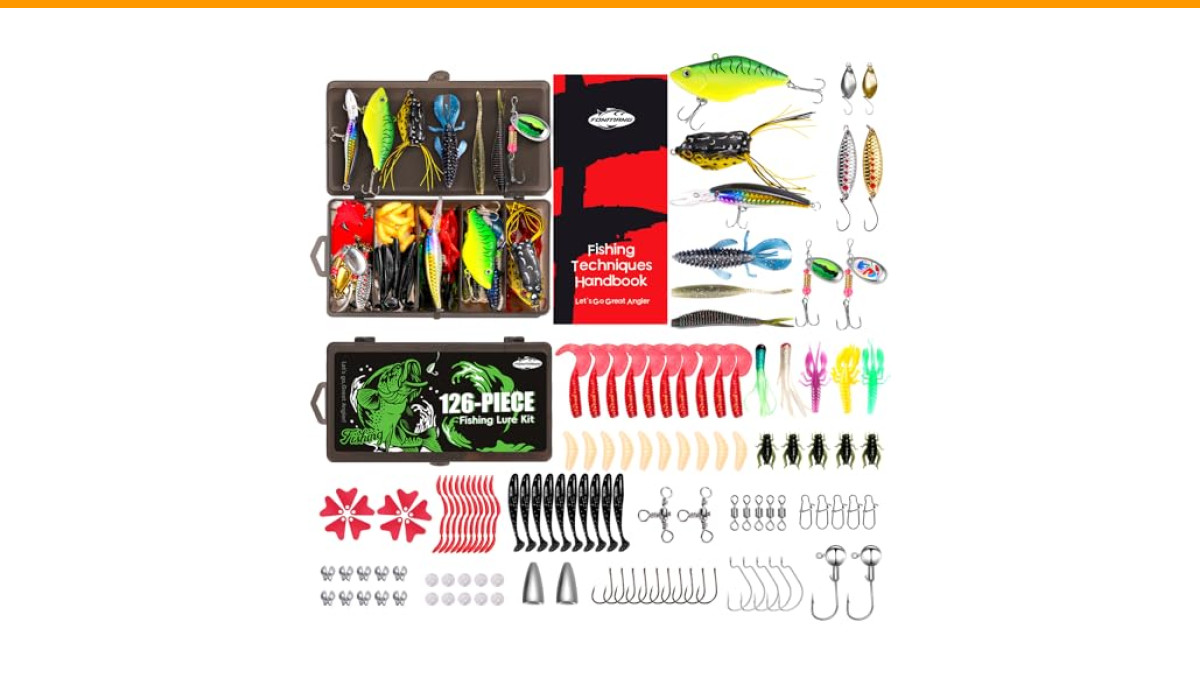
FONMANG 126Pcs Fishing Lures - 2025 New Tackle Box with Tackle Included, Fishing Kit with VIBs, Frogs, Minnows, Soft Baits, Hooks & Weights Accessories, Freshwater Lure Kit for Bass Walleye Trout
- 【FONMANG Essential Fishing Tackle Kit】This 2025 new fishing tackle is designed by professional anglers for beginners. With 126 pie…
- 【Premium Quality and Unmatched Performance】Our fishing lures are made from high-quality materials, featuring premium bass lures wi…
- 【Comprehensive Fishing Guide】— The fishing set includes a detailed fishing manual, covering essential fishing techniques on how to…
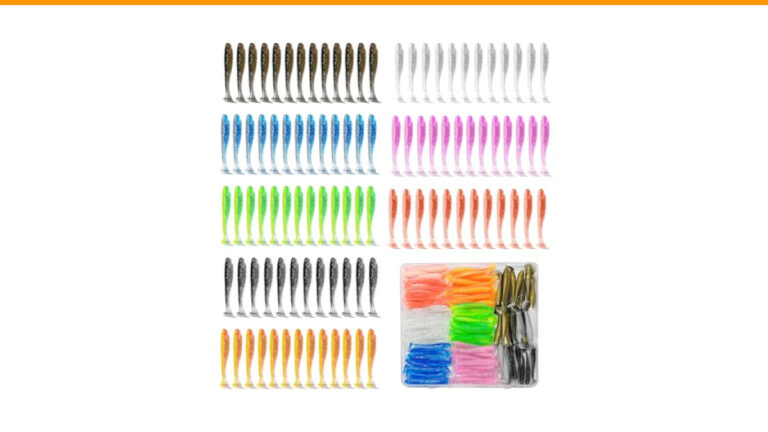
If you’re building out your tackle, a kit like the FONMANG 126Pcs Fishing Lures gives you a wide range of hard and soft baits to practice with—so you can test different actions without buying each lure separately.
Why Lure Fishing Fails (and How to Fix It)
Most failed lure fishing comes down to one of three things: the wrong lure for the conditions, a retrieve that doesn’t match what the fish want, or casting to water that holds no fish. Fix those three and you’ll catch more fish than 90% of anglers.
Start by asking a simple question: What are the fish eating right now? If you don’t know, look at the water. If you see small baitfish near the surface, use a minnow-style crankbait or a small spinner. If the bottom is rocky and crayfish are present, a jig or soft plastic craw works better. Match the size and silhouette of the natural prey, not just the species you’re targeting.
Here’s a common mistake: using a large lure when fish are feeding on tiny bait. A 5-inch jerkbait will get ignored if the shad are 2 inches long. Downsize your lure to match the baitfish size, and you’ll get more strikes—it’s that simple.
Choosing the Right Lure: Match the Hatch, Not Just the Species
Bass, trout, and walleye all key in on the same thing: an easy meal that looks and acts like what they’re already eating. So before you tie on anything, spend two minutes observing the water. Look for baitfish schools, surface activity, or what’s in the stomach of the first fish you catch.
Matching Lure Size and Action to Baitfish
Use a lure that’s roughly the same length as the dominant baitfish. If the bait is 3 inches, a 2.5- to 3.5-inch lure is ideal. Also match the action: if the bait darts erratically, use a jerkbait or a soft plastic on a jig head with a twitch-pause retrieve. If the bait swims steadily, a crankbait or spinner works better.
Lure color matters more in clear water than in stained water. In clear conditions, natural colors like shad, bluegill, and crawdad patterns are tough to beat. In muddy or stained water, switch to brighter colors like chartreuse or fire tiger—they create more vibration and visibility.
One more tip: don’t be afraid to use a lure that’s slightly larger than the bait. A bigger profile can trigger a reaction strike from a territorial fish, especially bass. But if you’re getting follows without strikes, downsize immediately.
Reading Water Conditions: Clarity, Temperature, and Current
Water clarity tells you how close you need to cast and what color lure to use. In clear water, fish see you coming, so cast longer distances and use lighter line (6-10 lb test). In stained water, you can get closer, use heavier line (12-17 lb), and rely on vibration and noise to attract fish.
Water temperature dictates fish metabolism and activity. When the water is below 50°F, fish are sluggish and won’t chase fast-moving lures. Slow down your retrieve and use smaller, subtle baits. Above 70°F, fish are more aggressive and will hit faster presentations.
Current changes everything. Fish face into the current and hold in eddies, behind rocks, and along current seams. Position yourself upstream and cast so your lure drifts naturally with the flow. If you cast across the current, your lure will swing—that can be good, but often it looks unnatural. Learn to mend your line to get a drag-free drift.
The Retrieve: Mastering Speed, Twitches, and Pauses
The retrieve is where most people go wrong. They wind at a constant speed and wonder why nothing bites. Fish are lazy—they want an easy meal, but they also react to a lure that looks like a fleeing or injured bait. Vary your speed and add pauses.
The ‘Stop-and-Go’ Technique for Jerkbaits
Cast out, let the lure sink for a second, then give it two or three sharp twitches with your rod tip. Pause for two to three seconds. Then repeat. The pause is critical—that’s when a following fish often commits. Keep your rod tip low and take up slack quickly so you feel the strike.
Slow-Rolling Soft Plastics for Cold Water
When the water drops below 55°F, slow down. Use a soft plastic worm or craw on a jig head and reel just fast enough to feel the lure bump along the bottom. Every few turns, pause for five seconds. This mimics a slow, easy meal that cold-water fish can’t resist.
Pro tip: If you’re getting short strikes (fish nip the tail but don’t take the hook), switch to a smaller lure or slow down your retrieve. Short strikes usually mean the fish are following but not committing—a slower presentation or a trailer hook can turn those follows into hookups.
Fishing Structure: Where the Fish Actually Live
Structure is anything that breaks the bottom or creates cover: rocks, logs, weed lines, drop-offs, docks, and bridge pilings. Fish relate to structure because it provides ambush points and current breaks. Cast to the edges of structure, not the middle of open water.
Use a systematic approach: cast parallel to the structure, then work your way closer. Start with a fast-moving lure like a crankbait to cover water, then switch to a soft plastic or jig for a slow, precise presentation. If you’re fishing a weed line, cast just beyond it and retrieve so the lure runs along the edge—that’s where fish hold.
Depth is part of structure. Use a crankbait that dives to the depth you’re fishing. If you’re bouncing bottom at 8 feet, you need a lure that reaches 8 feet. Adjust your cast angle and retrieve speed to keep the lure in the strike zone longer.
Troubleshooting: When Fish Follow But Won’t Bite
You see a fish follow your lure to the boat, then turn away. Frustrating, right? This happens for a few reasons, and each has a fix.
- Lure too fast: Slow down your retrieve or add longer pauses.
- Lure too large: Downsize to match the baitfish.
- Lure action wrong: Try a different retrieve—twitch, pause, or a steady roll.
- Fish are neutral: Use a finesse presentation like a small soft plastic on a light jig head.
If you’ve tried all that and fish still follow, change your lure color. Sometimes a bright flash triggers a strike, even if the size and action are right. And don’t forget to check your hook sharpness—a dull hook won’t penetrate, and fish will spit it out.
Gear Setup: Rod Action, Line Type, and Knots That Preserve Lure Action
Your rod and line affect how your lure moves. A medium-heavy rod with fast action gives you the backbone to cast heavier lures and set hooks, but it can overpower a small lure. For finesse presentations, use a medium-light rod to feel every twitch.
Line choice matters: braid has no stretch and transmits every vibration, but it’s visible in clear water. Fluorocarbon is nearly invisible and sinks, making it great for deep cranking. Monofilament floats and has stretch, which can be good for topwater lures.
Knots are critical. A standard clinch knot works, but it can restrict lure action. Use a loop knot instead—it lets the lure swing freely and gives it a more natural motion. The lure fishing guide recommends a loop knot for any lure with a tight wiggle, like crankbaits or jerkbaits.
Seasonal Adjustments: Spring Spawn to Winter Sluggishness
Fish behavior changes with the seasons, and so should your lure tactics.
- Spring: Fish are moving shallow to spawn. Use jerkbaits and spinnerbaits for aggressive pre-spawn bass. Soft plastics around beds work for sight fishing.
- Summer: Fish go deep during the day and feed at dawn/dusk. Use deep-diving crankbaits and slow-rolled soft plastics.
- Fall: Fish feed aggressively to bulk up. Match the baitfish with shad-pattern lures and use fast retrieves.
- Winter: Fish are slow. Use small, slow presentations like a jigging spoon or a tiny soft plastic on a light head.
Always adjust your retrieve speed to the water temperature—cold water means slow, warm water means faster.
Conservation and Handling: Protecting the Fishery
Catch-and-release is common, but many fish die from poor handling. Use barbless hooks or pinch down the barbs—they’re easier to remove and cause less damage. Keep the fish in the water while unhooking if possible, and use wet hands or a rubber net to handle them.
If you’re fishing for food, keep only what you’ll eat and follow local regulations. A healthy fishery means more fish for everyone.
Final Tip: Build a Confidence Lure Arsenal
You don’t need fifty lures. You need a few that you trust and know how to work. Pick one hard bait (like a jerkbait or crankbait), one soft plastic (a worm or creature bait), and one topwater (a popper or frog). Learn to fish each in different conditions—fast, slow, deep, shallow. That’s your confidence arsenal.
Once you master those three, expand. A kit like the FONMANG set gives you variety to experiment, but the key is to stick with a lure until you know exactly how it behaves at every retrieve speed.
Frequently Asked Questions
What’s the best lure for beginners?
Start with a spinnerbait or a soft plastic worm on a jig head. Both are forgiving and catch a wide variety of fish. Spinnerbaits work in most conditions, and worms are deadly for bass.
How fast should I retrieve a crankbait?
It depends on the water temperature and fish activity. In warm water, a steady, medium-fast retrieve works. In cold water, slow down and add pauses. If you’re not getting strikes, change speed—don’t keep doing the same thing.
Why do fish follow my lure but not bite?
Usually, it’s a presentation issue: too fast, too large, or wrong action. Slow down, downsize, or change your retrieve. If that fails, try a different color.
Should I use a steel leader?
Only if you’re targeting toothy fish like pike or musky. For bass, trout, or walleye, a fluorocarbon leader is better—it’s invisible and doesn’t affect lure action.
What’s the best time of day for lure fishing?
Early morning and late evening are prime times, especially in summer. Fish are more active in low light and feed aggressively. Overcast days can be good all day long.
Quick Reference: Lure Selection by Condition
| Condition | Lure Type | Retrieve Speed | Best Color |
|---|---|---|---|
| Clear water, sunny | Soft plastic worm or jerkbait | Slow, with pauses | Natural (shad, green pumpkin) |
| Stained water, cloudy | Spinnerbait or crankbait | Medium to fast | Chartreuse, fire tiger |
| Cold water (below 50°F) | Jigging spoon or small soft plastic | Very slow, bottom bounce | White, silver |
| Warm water (above 70°F) | Topwater popper or frog | Fast, with pauses | Black, frog patterns |
| Weed lines | Texas-rigged worm or weedless frog | Medium, steady | Watermelon, black |
Three Most Common Mistakes and How to Avoid Them
- Reeling too fast: Most beginners reel as fast as they can. Slow down. Let the lure work.
- Not varying the retrieve: Constant speed bores fish. Add twitches, pauses, and changes in speed.
- Ignoring the strike zone: Fish hold near structure and bottom. If your lure is running too high or too low, you’ll miss them. Adjust your cast and retrieve to keep it in the zone.
Fix those three, and you’ll see more hookups on your next trip.