You’ve been casting for an hour with a crankbait, and nothing’s biting. Then your buddy ties on a soft plastic worm, lobs it into the same pocket, and gets hammered on the third twitch. It’s not luck. He read the conditions — the water’s stained, the fish are holding tight to bottom cover, and they’re not in a chasing mood. That’s the difference between fishing and selecting the right tool for the moment.
This guide walks through the decision process for choosing lures based on depth, cover, water temperature, and forage. You’ll learn the five key factors that drive lure selection, the eight essential lure types and their sweet spots, a simple color framework, and a seasonal calendar. By the end, you’ll be able to look at a stretch of water and know what to tie on — without guessing.
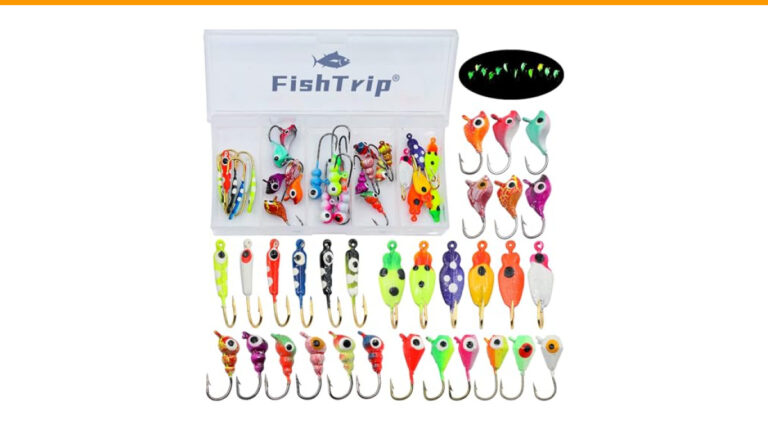
If you’re building out your tackle box from scratch or upgrading a starter kit, the GOANDO Fishing Lures Kit covers most of the essentials in one box — spoons, soft plastics, jigs, a crankbait, and a topwater lure. It’s a practical way to have a range of options on hand while you learn what works in your local waters.

The 90/10 Rule: Why a Few Lures Catch Most Fish
Walk into any tackle shop and you’ll see thousands of options. But most experienced anglers rely on a handful of proven patterns. The 90/10 rule holds true: 90% of your catches come from 10% of your lures. That’s because fish are creatures of habit. They feed on predictable forage — shad, minnows, crayfish, worms — and they respond to a few consistent triggers: vibration, flash, and realistic movement.
This doesn’t mean you need one magic lure. It means you need a small, versatile collection and the knowledge to use each one in its proper window. A spinnerbait works great in wind and stained water. A jig shines around heavy cover. A topwater lure excels at dawn and dusk. When you learn the conditions that favor each type, you’ll cast with confidence instead of hope.
The 5 Key Factors in Lure Selection
Before you tie anything on, run through these five factors. They form a quick mental checklist that narrows your choices fast.
- Species: Bass crush soft plastics and jigs. Trout hit spoons and small spinners. Walleye prefer crankbaits and jigs tipped with minnows. Salmon chase spoons and swimbaits. Match the lure to the fish’s feeding style.
- Depth: Fish hold at different depths based on temperature and light. A shallow-running crankbait dives 2–4 feet. A deep-diving model reaches 15–20 feet. Jigs and soft plastics work at any depth because you control them.
- Cover: Heavy weeds call for weedless jigs and soft plastics. Open water allows treble-hook lures like crankbaits. Wood and rocks demand snag-resistant presentations. Choose lures that match the structure.
- Activity level: In warm water (70°F+), fish are aggressive and chase fast-moving lures. In cold water (below 50°F), they’re sluggish and prefer slow, subtle presentations. Match your retrieve speed to their metabolism.
- Forage: Look at what baitfish are present. If you see 3-inch shad, throw a 3-inch crankbait. If crayfish are crawling the rocks, use a jig with a craw trailer. Matching the hatch is the oldest rule in fishing.
Matching Lure Size to Baitfish, Not Just Fish Mouths
Most anglers pick a lure based on the size of the fish they want to catch. That’s backwards. Fish are lazy. They’ll eat the easiest meal that provides the most calories for the least effort. If a bass is feeding on 2-inch shad, it won’t chase a 6-inch swimbait. Match your lure size to the dominant forage in the water, not the trophy you’re dreaming about.
A simple rule: use a lure that’s roughly the same length as the baitfish you see on your fish finder or in the shallows. If you’re not sure, start smaller. A 3-inch soft plastic or a 1/4-ounce spinnerbait works in most situations. You can always scale up if fish are keying on larger prey.
The 8 Essential Lure Types and When to Use Them
You don’t need every lure ever made. But these eight categories cover 95% of freshwater fishing scenarios. Each has a unique action and a specific window where it outperforms everything else.
Crankbaits & Jerkbaits (Diving Lures)
Crankbaits are the workhorses of open water. They dive to a set depth, wobble, and deflect off cover. Use them when fish are active and suspended. A square-bill crankbait (dives 2–5 feet) is deadly around rocks and wood because its flat bill bounces off structure without hanging up. Deep divers (10–20 feet) shine in summer when bass retreat to deeper ledges.
Jerkbaits are the finesse version. They suspend at a set depth and imitate injured baitfish with a twitch-pause-twitch retrieve. In cold water (40–50°F), a slow jerkbait retrieve triggers strikes from fish that won’t chase a fast crankbait. The pause is key — that’s when fish commit.
Spinnerbaits & Chatterbaits (Vibration Lures)
Spinnerbaits create vibration and flash that fish feel from a distance. They shine in wind, stained water, and around grass. The spinning blade thumps as you retrieve, and the skirt mimics a baitfish’s silhouette. Use a willow blade for clear water and a Colorado blade for murky water — the wider blade puts out more vibration.
Chatterbaits (bladed jigs) combine a jig head with a vibrating blade. They’re deadly in spring and fall when bass are aggressive. The blade deflects off cover and creates a tight, pulsing action that triggers reaction strikes. Fish them slow along weed edges or fast through shallow flats.
Jigs & Soft Plastics (Bottom Contact)
Jigs are the ultimate bottom-contact lure. A 1/4-ounce jig with a pork or plastic trailer crawls along the bottom like a crayfish. Use them around rocks, stumps, and docks. The key is a slow, hop-and-pause retrieve — lift the rod tip, let the jig fall, and wait. The strike often comes on the fall.
Soft plastics (worms, creature baits, senkos) are the most versatile category. A Texas-rigged worm is weedless and works in heavy cover. A wacky-rigged senko has a seductive wobble that bass can’t resist. Fish them slowly. Most beginners fish soft plastics too fast — let the bait sit for 10–15 seconds between twitches.
Topwater, Spoons, and Swimbaits (Surface & Flash)
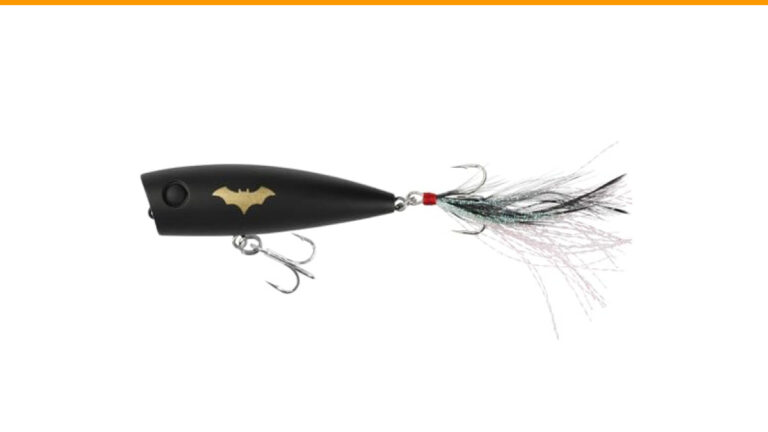
Topwater lures (poppers, frogs, buzzbaits) are for low-light windows — dawn, dusk, and overcast days. The explosive strike is addictive, but the timing matters. Fish topwater only when fish are feeding near the surface, usually in warm months. A slow, steady retrieve with occasional pauses works best.
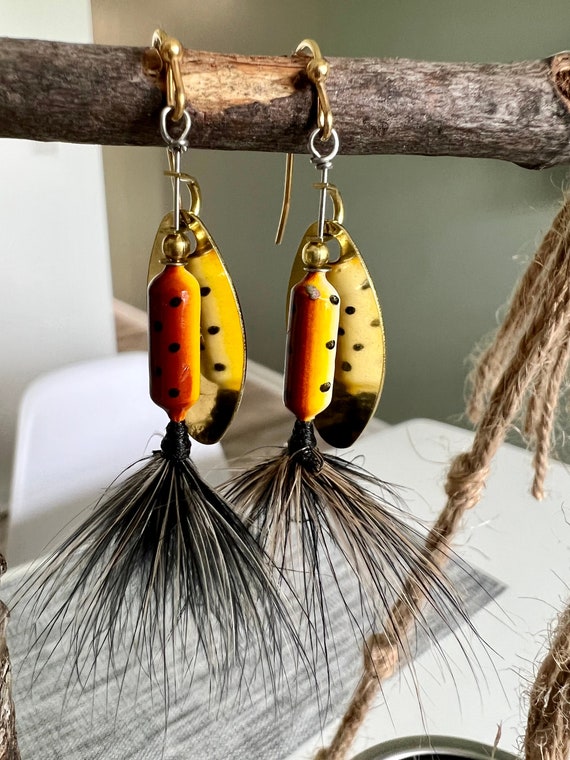
Spoons are simple, heavy, and effective. They cast far, sink fast, and flutter like an injured baitfish. Use them for trout in lakes, salmon in rivers, and bass in deep water. The flash from a polished spoon attracts fish in clear water. In stained water, add a trailer hook or a split shot to slow the fall.
Swimbaits imitate baitfish with a realistic tail kick. They’re the go-to when fish are keyed on shad or herring. Use a soft swimbait on a jig head for shallow water, or a hard jointed swimbait for deeper depths. They require a steady retrieve — too much twitching ruins the action.
Lure Color: A Simple Guide for Water Clarity and Light
Color matters less than action, but it does matter. Here’s a practical framework that works across most freshwater situations:
- Clear water, bright sun: Use natural colors — shad patterns, silver, white, and light green. Fish see clearly, so match the forage.
- Clear water, low light: Switch to darker natural patterns — black and blue, dark green, or purple. They create a strong silhouette without looking unnatural.
- Stained water (1–3 feet visibility): Use bright colors — chartreuse, orange, or fire tiger. The high visibility helps fish locate the lure.
- Muddy water (less than 1 foot visibility): Go with dark colors or black — they create the strongest silhouette. Or use a spinnerbait with a bright Colorado blade for vibration.
One more tip: in low light at dawn or dusk, darker lures are often better because they appear as a solid silhouette against the sky. Many anglers make the mistake of using bright colors in clear water at midday — that often spooks wary fish.
How to Adjust Your Retrieve Speed and Action
Your retrieve is half the equation. A perfect lure with a bad retrieve won’t catch anything. The default mistake is fishing too fast. Slow down until you’re confident, then experiment with speed changes.
For crankbaits, vary the speed until you feel the bait’s wobble. A steady, medium retrieve works most days. For spinnerbaits, slow down enough that the blade thumps — you should feel a steady vibration. For jigs and soft plastics, use a hop-and-pause cadence. The pause is when fish strike.
Reaction strikes are a different game. When fish are lethargic, a sudden burst of speed — a “burn” — can trigger an instinctive bite. Try this: retrieve fast for 10 feet, then stop and let the lure fall. The sudden stop often triggers a strike. This works especially well with jerkbaits and chatterbaits.
Seasonal Lure Selection Calendar (Spring to Winter)
Fish behavior shifts with water temperature. Here’s a month-by-month guide for freshwater lakes and rivers in temperate climates.
- Spring (50–65°F): Fish move shallow to spawn. Use jerkbaits and suspending crankbaits for pre-spawn bass. Once water hits 60°F, switch to spinnerbaits and chatterbaits around shallow cover. Soft plastics on beds work for sight-fishing.
- Summer (70–85°F): Fish go deep during the day and shallow at night. Deep-diving crankbaits and heavy jigs work on ledges. At dawn and dusk, topwater lures and swimbaits shine. Focus on shaded cover and drop-offs.
- Fall (50–70°F): Fish feed aggressively to prepare for winter. They’re chasing baitfish in the shallows. Use crankbaits, spinnerbaits, and swimbaits that match the shad schools. This is the best time for big fish on topwater.
- Winter (below 45°F): Fish slow down and hold in deep, stable water. Use slow presentations — jigs tipped with a minnow, small spoons, or suspending jerkbaits with long pauses. Fish the warmest water you can find, like power plant outflows or deep holes.
Quick-Reference Lure Selection Cheat Sheet
| Lure Type | Best Depth | Best Conditions | Target Species | Retrieve Style |
|---|---|---|---|---|
| Crankbait (square-bill) | 2–5 ft | Rocks, wood, active fish | Bass, walleye | Steady medium |
| Crankbait (deep-diving) | 10–20 ft | Summer ledges, open water | Bass, walleye, salmon | Steady, slow |
| Jerkbait | 3–10 ft | Cold water, suspended fish | Bass, trout | Twitch-pause |
| Spinnerbait | 1–8 ft | Wind, stained water, grass | Bass, pike | Steady, thumping |
| Chatterbait | 2–10 ft | Spring aggression, cover | Bass | Slow roll or burn |
| Jig | Bottom | Rocks, stumps, heavy cover | Bass, walleye | Hop-pause |
| Soft plastic worm | Bottom | Weeds, docks, slow fish | Bass | Slow twitch |
| Topwater popper | Surface | Dawn, dusk, warm water | Bass, pike | Pop-pause |
| Spoon | Any | Clear water, deep lakes | Trout, salmon, bass | Flutter, steady |
| Swimbait | 2–15 ft | Shad schools, clear water | Bass, salmon | Steady |
Common Lure Mistakes and How to Fix Them
Everyone starts somewhere, but a few recurring mistakes hold anglers back. Here are the top five and their fixes.
Mistake 1: Fishing too fast. Most beginners rip lures back like they’re in a hurry. Slow down. Let the lure do the work. A good rule: if you’re not catching anything, slow your retrieve by half.
Mistake 2: Wrong hook size. A big hook on a small soft plastic ruins the action. Match the hook to the lure size. For a 4-inch worm, use a 3/0 or 4/0 hook. For a 2-inch minnow, use a size 2 or 1 hook.
Mistake 3: Ignoring the pause. Many strikes happen when the lure stops. Fish are curious — they follow, then commit when it pauses. Always build a pause into your retrieve, especially with jigs and jerkbaits.
Mistake 4: Using the same lure all day. Conditions change — light, wind, and fish activity shift by the hour. Don’t be loyal to one lure. If you haven’t had a bite in 20 minutes, change something.
Mistake 5: Not sharpening hooks. A dull hook loses fish. Check your hooks every few casts. A quick pass with a hook file makes a huge difference.
Final Tips: Building Confidence and Having Fun
Confidence is the most underrated tool in fishing. When you trust a lure, you fish it better — slower, more deliberately, with more patience. That’s why the 90/10 rule works: you fish your confidence lures better than the unfamiliar ones.
- Pick one lure type per trip and master it before moving on.
- Keep a simple journal — note date, water temp, conditions, and which lure caught fish.
- Carry a small assortment: a crankbait, a spinnerbait, a jig, a soft plastic, and a topwater lure.
- Change lures when conditions change — wind, light, or fish activity shifts.
- Match your lure size to the local forage, not the trophy you want.
- Slow down your retrieve — most people fish too fast.
- Sharpen your hooks every trip.
Fishing is about solving a puzzle with incomplete information. The more you learn about when to use different fishing lures, the better you’ll guess what’s happening below the surface. And when you’re wrong, you’ll know why — which is the fastest way to get right.
Frequently Asked Questions
What is the best all-purpose fishing lure for beginners?
A 1/4-ounce spinnerbait is the closest thing to a universal lure. It works in fresh and saltwater, catches bass, pike, and trout, and is forgiving to retrieve. A soft plastic worm on a Texas rig is a close second for bottom fishing.
How do I choose the right lure color for murky water?
In murky water (less than 2 feet visibility), use bright colors like chartreuse, orange, or fire tiger. These high-visibility colors help fish locate the lure. In extremely muddy water, switch to black or dark purple — they create the strongest silhouette against a bright sky.
When should I use a topwater lure instead of a crankbait?
Use topwater lures at dawn, dusk, and on overcast days when fish are feeding near the surface. They’re most effective in warm months (water above 60°F). Crankbaits work better during midday and in deeper water. If fish are chasing bait on the surface, topwater wins.
How fast should I retrieve a crankbait?
Start with a steady, medium retrieve — fast enough to feel the wobble, slow enough that the lure runs at its rated depth. If you’re not getting bites, try speeding up for 10 feet, then slowing down. The change in speed often triggers strikes.
Can I use the same lures for bass and trout?
Yes, with some overlap. Small spoons, inline spinners, and jerkbaits work for both. But bass prefer larger, slower presentations like jigs and soft plastics, while trout favor smaller, faster lures like spinners and spoons. Match the lure size to the fish’s mouth and the local forage.