You tie on a new lure, make that first cast of the morning, and the whole spool explodes into a bird’s nest. Or maybe you set the hook and the line just peels off the reel in loose loops, even though your drag wasn’t screaming. Most anglers blame the line or the reel itself. More often than not, the real problem is how the line was put on in the first place.
This guide walks you through the actual failure modes. You’ll learn to tell the difference between line slipping off sideways and line twisting off during a cast. You’ll get specific fixes for spinning reels, baitcasters, and spincast reels. And you’ll find out why line memory and spool tension cause more mid-cast blowups than any equipment defect ever will.

Beyond Braid
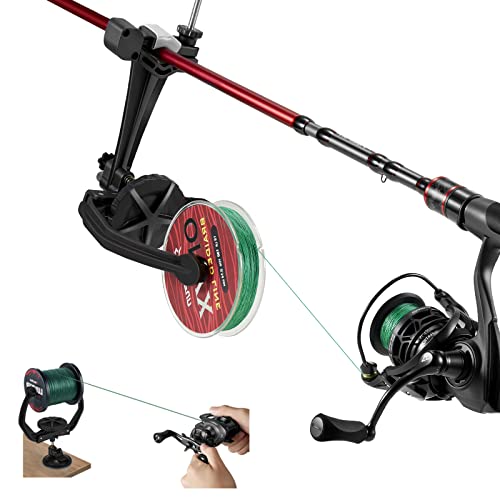
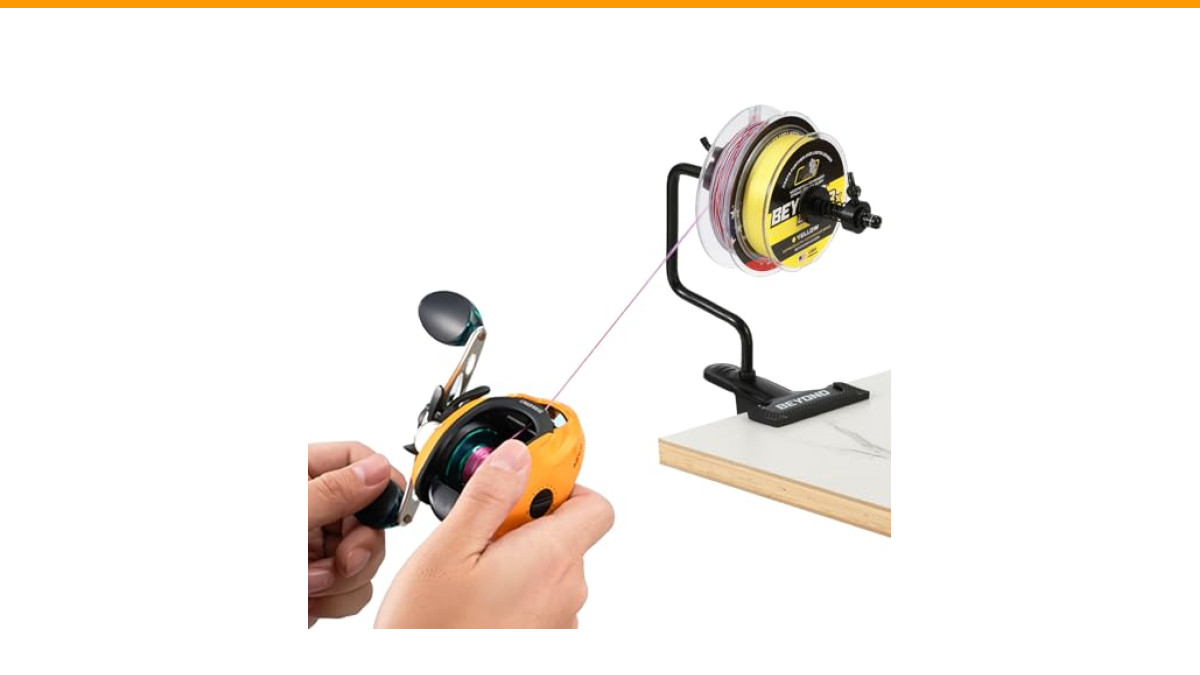
Beyond Braid EZ Fishing Line Spooler
- TABLE MOUNTING CLIP/PORTABLE - Our fishing line spooler features a heavy duty non slip clip at the base that fits nearly every kin…
- SPOOL UP TIGHT IN SECONDS - Switch out your line fast without the mess. Loading up fresh braid or mono tightly onto your reel, thi…
- FITS MOST SIZE SPOOLS- Will fit almost every type of fishing line spool from small to large. Ideal for spooling up with 100yd, 150…
Let’s get to work.
If you’re tired of wrestling with a pencil and a bucket of water every time you respool, a proper line spooling station changes the game. The Beyond Braid EZ Spooler clamps to any table or rod and holds the line spool under tension while you crank. It turns a two-person chore into a solo job that takes minutes.
Why Line Comes Off: The 5 Core Causes (and How to Identify Yours)
Before you can fix the problem, you need to know which problem you have. These five causes create different symptoms. Match your symptom to the cause.
1. Overfilled Spool
Symptom: Loose loops of line peel off the reel when you cast, even with light lures. The line sits proud of the spool lip.
Overfilling is the most common cause. Spinning reels need about 1/8 inch of the spool lip visible above the line. Baitcasters need slightly less. When you fill past the lip, the line has nothing to hold it in place. It slides off in big, tangled loops.
2. Line Twist
Symptom: Your line forms loops and coils the moment it leaves the spool. You see wind knots that appear out of nowhere.
Line twist happens during spooling or retrieving. If you spool line onto the reel in the wrong direction, you introduce a twist that never comes out. A spinning reel adds one twist per revolution of the bail. That’s normal. But if you crank against a drag that’s slipping, or if your lure spins, the twist accumulates until the line can’t lay flat.
3. Improper Spool Tension (Baitcasters)
Symptom: The spool overruns during a cast. You get a backlash that looks like a bird’s nest, usually in the first second of the cast.
Baitcasters rely on spool tension and thumb pressure to control the spool. If the tension knob is set too loose, the spool spins faster than the line leaves. The result is slack line that tangles instantly.
4. Line Memory
Symptom: The line comes off the reel in tight coils, like a slinky. It won’t lay flat on the water or the spool.
Monofilament and some fluorocarbons have memory. They hold the shape of the spool they were stored on. Cold weather makes it worse. Line that’s been on a shelf for a year will cast terribly until the memory works itself out.
5. Bad Arbor Knot
Symptom: The line slips around the spool arbor when a fish runs. You hear a clicking sound, or the line spins freely without tightening.
If the arbor knot fails, the entire spool of line rotates on the arbor. This is rare, but it happens. It’s also the easiest fix of the lot.
The #1 Culprit: Overfilling and Incorrect Spool Tension
Let’s be blunt. Nine out of ten reels that “spit line” are overfilled. Anglers think more line means more casting distance. That’s true, but only up to the point where the line reaches the spool lip. Past that, you’re asking for trouble.
For spinning reels, fill until the line sits about 1/8 inch below the beveled lip. You should see a small gap between the line and the lip’s edge. For baitcasters, fill until the line is about 1/16 inch below the spool’s outer edge. Overfilling a baitcaster causes the line to catch on the frame during the cast.
Spool tension is a separate issue. On a baitcaster, the tension knob controls how fast the spool spins when you release the thumb. Start with the lure barely falling when you press the thumb bar. Then tighten the knob a quarter turn. That’s a good baseline.
On a spinning reel, there is no tension knob. Instead, you control line lay with the drag setting and the speed of your retrieve. If your line lays unevenly, you’ll get line digging into the lower layers during a fight. That causes the top layers to slip off.
Line Memory and Twist: The Silent Killers of Casting
Line memory is the reason your new spool of monofilament casts like a spring. The line was wound on the manufacturer’s spool under tension, and it wants to return to that shape.
You can fix mild memory issues at home. Take the spool off your reel and soak it in warm water for 15 minutes. Not hot. Warm. Then let it dry completely before you spool it. This relaxes the polymer chains and reduces coiling. A line conditioner works too, but it’s a temporary fix. You’ll need to reapply it every few trips.
Line twist is a different animal. It’s a mechanical issue, not a material one. The most common source is spooling the line in the wrong direction. Here’s the rule for spinning reels: line must come off the filler spool in the same direction it goes onto the reel spool. If you run the line from the side of the filler spool, you introduce one twist per wrap.
To check for twist, let out about 20 feet of line behind the boat. If it forms loops and spirals, you have twist. The fix is to troll or drift with the line out and no lure attached, letting the water pull the twists out. For most people, the better fix is to strip all the line off and start over with proper spooling technique.
How to Spool a Reel Perfectly (Step-by-Step for Spinning and Baitcasting)
Proper spooling prevents 80% of the problems discussed here. Here’s the process that works.
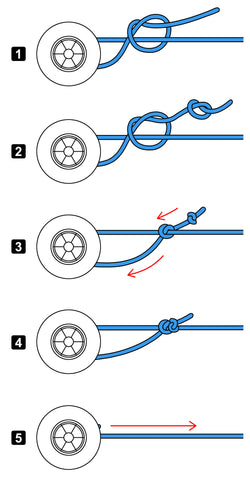
The Arbor Knot: Your First Line of Defense
The arbor knot is the only thing holding your line to the spool. It needs to be right.
- Wrap the line around the spool arbor once.
- Tie an overhand knot in the tag end, leaving a 4-inch tail.
- Tie a second overhand knot in the main line, about 3 inches from the first knot.
- Pull the main line tight. The two knots should jam against each other.
- Trim the tag end to 1/4 inch.
This knot grips the arbor without slipping. For braided line, use a double wrap or add a piece of electrical tape over the arbor first. Braid is slick and can slip on a smooth arbor.
Using a Pencil or Spooling Station to Prevent Twists
If you’re using a pencil, you’re doing it the hard way. But it works if you do it right.
Slide the pencil through the filler spool. Have a friend hold the pencil so the spool is horizontal. Run the line off the top of the filler spool, not the side. Keep tension on the line with your fingers as you crank the reel. Ten to fifteen cranks, then stop and check the line lay.
Better yet, use a spooling station that holds the filler spool under friction. The Beyond Braid EZ Spooler does this with a non-slip clip and adjustable tension. You get consistent line lay without needing a second person. It fits spools from 100 yards up to 2026 yards, so you’re covered for most freshwater and inshore setups.
One thing most people miss: wet the line before spooling. Run the line through a damp cloth or wet paper towel as it goes onto the reel. Wet line lays tighter and reduces the chance of the top layers digging in later.
Reel-Specific Fixes: Spinning vs. Baitcaster vs. Spincast
Each reel type has its own quirks. Here’s what to check on each.
Spinning Reels
Check the bail arm. If the bail doesn’t roll smoothly when you engage it, the line can catch and twist. A bent bail arm is a common cause of line coming off in loops.
Check the line roller. This is the small wheel on the bail that the line passes over. If it’s dirty or worn, it can introduce twist. Clean it with a cotton swab and a drop of reel oil.
Set the drag correctly. If your drag is too tight, the spool won’t rotate during a run, and the line will stretch and dig into the lower layers. Set the drag at 25-30% of the line’s rated breaking strength.
Baitcasters
Adjust the spool tension for each lure weight. A 1/4-ounce lure needs different tension than a 3/4-ounce lure. Set it so the lure falls slowly when the thumb bar is pressed.
Check the brake system. Most baitcasters have centrifugal or magnetic brakes. Start with the brakes at 50% and adjust from there. Too much brake shortens your cast. Too little causes overrun.
Use your thumb. The thumb is the most important brake on a baitcaster. You need to feather the spool during the cast, especially at the start and end.
Spincast Reels
Spincast reels have a closed face, so you can’t see the spool. The most common issue is line catching under the cone. This happens when the line is overfilled or when the line has too much memory.
Open the face and check the line level. It should be slightly below the cone’s edge. If it’s above, strip off some line.
Check the pickup pin. If it’s sticking, the line can’t engage properly. Clean and lubricate it.
On-the-Water Emergency Fixes (When It Happens Mid-Trip)
You’re on the water and the line starts coming off. Here’s what to do right now.
For overfilling: You can’t cut line on the water easily, but you can cast out a heavy lure and let it run. Strip off 20-30 yards of line, then tie on a new lure. This lowers the line level enough to get you through the day.
For line twist: Tie on a swivel. A quality barrel swivel will spin and release the twist as you retrieve. It’s not a permanent fix, but it stops the wind knots for a few hours.
For backlash: Don’t yank it. Find the loop that’s buried deepest and pull it out first. Work from the inside out. Patience beats force every time.
For a slipping arbor knot: This is the worst-case scenario. You’ll need to strip the line and re-tie. Do it on shore if you can. If you must do it on the water, keep the reel in front of you and work slowly.
Preventative Maintenance: Drag, Bail, and Line Replacement Schedule
Regular maintenance prevents most line problems.
Clean your reel after every saltwater trip. Rinse with fresh water, dry, and apply a light coat of reel oil to the moving parts. Salt crystals are abrasive and will wear down the line roller, causing twist.
Check the drag washers once a season. If the drag is jerky or inconsistent, the washers are likely glazed or worn. Replace them.
Replace your line on a schedule. Monofilament should be replaced every 3-4 months if you fish weekly. Fluorocarbon can last 6 months. Braid can last a year or more, but check the first 20 yards for fraying.
Store your reels with the drag backed off. This prevents the washers from taking a set and keeps the line from digging into the spool.
Frequently Asked Questions
Why does my fishing line keep coming off my spinning reel when I cast?
Your spool is likely overfilled. The line sits above the lip, so it has no barrier during the cast. Strip off 20-30 yards and check the line level. It should sit about 1/8 inch below the lip.
Does line conditioner really fix line memory?
It helps, but it’s temporary. Line conditioner coats the line and makes it more supple. The effect lasts a few hours to a few days, depending on the brand. For a permanent fix, soak the line in warm water before spooling, or switch to a line with less memory, like braid.
Can I spool a baitcaster the same way as a spinning reel?
No. Spinning reels need the line to come off the filler spool in the same direction it wraps onto the reel. Baitcasters are more forgiving, but you still need consistent tension. The key difference is the line lay. Baitcasters need a level lay, while spinning reels need a slightly tapered lay (more line at the bottom, less at the top).
Why does my braided line slip on the spool?
Braided line is slick and has no stretch. It can slip on a smooth arbor. Fix this by using a double arbor knot, or by wrapping the arbor with one layer of electrical tape before tying your knot. This gives the braid something to grip.
How often should I replace my fishing line?
It depends on how often you fish and the line type. Monofilament: every 3-4 months with weekly use. Fluorocarbon: every 6 months. Braid: every 12-18 months, or sooner if the first 20 yards feel rough or frayed. Check for nicks and abrasion before every trip.
Final Verdict: Master Your Spool, Master Your Cast
Line coming off the reel is rarely a defect. It’s a symptom of a spooling mistake or a maintenance issue. Most of the time, you can fix it in under an hour without spending a dime.
- Check your line level first. Overfilling is the cause of 80% of these problems.
- Spool line with consistent tension and in the correct direction. Wet the line as it goes on.
- Use a proper arbor knot, especially with braided line.
- Match your spool tension to your lure weight on baitcasters.
- Keep your line roller and bail arm clean and lubricated.
- Replace your line on a schedule, not when it fails.
- Invest in a spooling station if you respool more than twice a season. The time it saves is worth the cost.
Get your spooling right, and you’ll spend more time fishing and less time picking out tangles. That’s the whole game.