You’ve tied on a soft bionic lure that looks incredible in the package, but the first cast feels wrong. The tail spins, the hook pokes through the side, or the bait slides down the shank after two twitches. Most anglers blame the lure and switch back to hard baits. The real problem is almost always the rigging.
A soft plastic’s action depends entirely on how it sits on the hook. Get the angle right and the paddle tail kicks with every pulse. Get it wrong and you’re dragging a useless piece of rubber. This guide walks through the five core rigging methods, when each one earns its place on your line, and how to fix the common failures that drive people crazy.

Ainiv
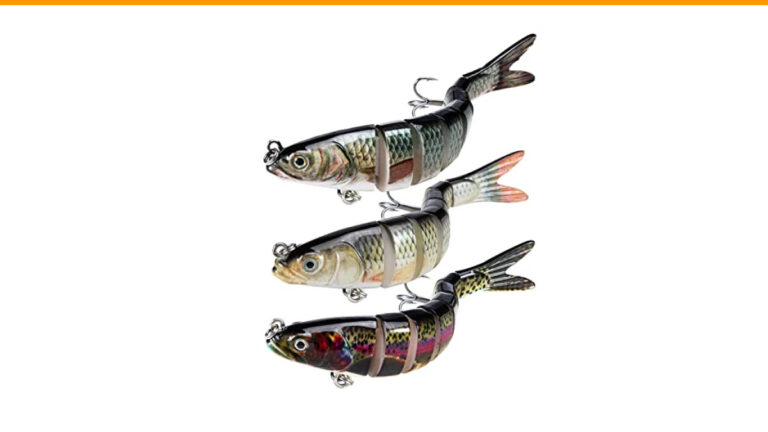
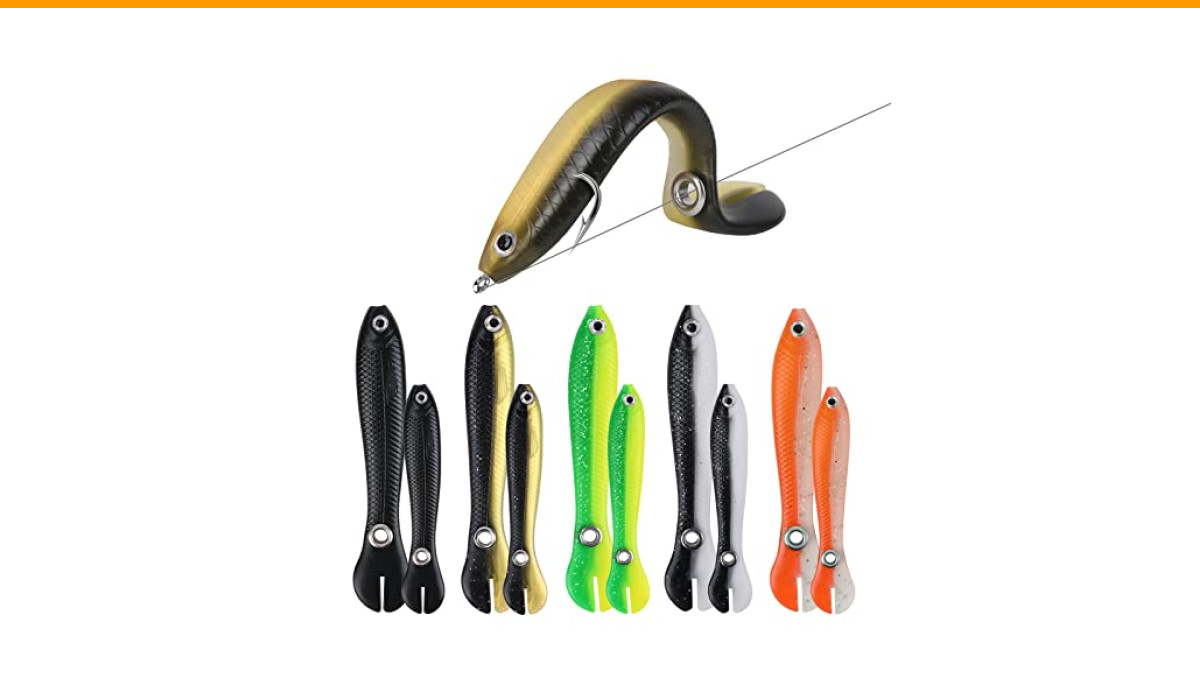
Ainiv Bionic Fishing Lure,10PCS Soft Bionic Fishing Lures, 5 Large+5 Small
- 🐟【LIFELIKE FISHING LURES】The lures can sink slowly and move flexibly in the water. The ultra-soft paddle tail design provides an a…
- 🐠【EXQUISITE AND VIVID】Realistic 3D eyes, soft body, shiny scales, forked tail, real fishy smell. All of this makes it a veritable…
- 🐟【PREMIUM MATERIAL & PERFECT COMBINATION】These soft and realistic lures are made of high quality soft plastic, well made lures, du…
You’ll leave with a clear decision-making framework: match the rig to the cover, the depth, and the mood of the fish. No color voodoo, no magic scents, just mechanics that work.
If you’re starting out with a versatile set, the Ainiv Bionic Fishing Lure set gives you ten baits in two sizes, which is handy for testing different rigs without buying five separate packs. The larger bodies handle Texas and Carolina rigs well; the smaller ones shine on drop shot and Ned rigs.
Why Rigging Method Matters More Than Lure Color
Fish don’t decide to bite based on whether your bait is green pumpkin or watermelon red. They bite because the presentation triggers a feeding response. A soft bionic lure’s swimming action comes from the tail and body shape, but only if the hook allows that shape to flex naturally.
A Texas rig hides the hook point but stiffens the bait’s middle section. A wacky rig lets both ends shimmy but leaves the hook exposed. Each method changes the action profile, the fall rate, and the snag resistance. You’re not just choosing how to attach the hook; you’re choosing which part of the fish’s instinct you’re targeting.
Water conditions dictate the choice. Thick grass demands a weedless setup. Clear, open water lets you use a lighter, more exposed presentation. Matching the rig to the environment matters more than any color pattern.
Essential Tools and Hook Anatomy for Soft Bait Rigging
Before you thread a single lure, you need hooks that actually fit the bait. A hook that’s too small lets the bait slide. A hook that’s too big tears the body. You want a hook gap roughly equal to the thickness of the bait’s body at the point where you insert the hook.
Choosing the Right Hook Size and Gap
For a 3-inch paddle tail, use a 2/0 or 3/0 hook. For a 5-inch body, step up to 4/0 or 5/0. The gap matters more than the total length. If the hook point exits the back of the bait but the gap is narrow, the bait will bunch up around the bend and kill the action.
Straight shank hooks work fine for wacky and drop shot rigs. Offset shank hooks (like a wide gap) are better for Texas rigs because they let the point tuck into the bait without bulging the side.
The Importance of a Weedless Setup
Weedless rigging means the hook point rests against or inside the bait body, so it doesn’t catch grass, reeds, or branches. This isn’t just for heavy cover. Even in open water, a weedless presentation lets you drag the bait through submerged timber or along a rocky bottom without snagging every cast.
The trade-off: a tucked hook point reduces hook-up ratio slightly. You need a sharp hook and a firm hookset. Dull hooks will push the bait instead of piercing it.
The 5 Core Rigging Techniques (Step-by-Step)
These five methods cover 90% of soft plastic fishing situations. Each one changes the bait’s action, fall rate, and snag resistance. Master them all and you’ll never feel stuck on the water.
Texas Rig: The Universal Weedless Standard
The Texas rig is the first thing to learn. It works in grass, timber, rocks, and open water. It also gives you the most control over the bait’s fall rate because you can add a bullet weight or go weightless.
- Thread the hook point through the nose of the bait, exiting about a quarter-inch down the top of the head.
- Push the hook eye into the bait’s nose until it disappears.
- Rotate the hook so the point comes out through the side of the bait, about halfway down the body.
- Slide the bait up the shank until it sits flush against the hook eye.
- Push the hook point back into the bait’s side, just under the skin, so it’s completely hidden.
The key detail: the bait must lie perfectly straight on the shank. If it twists even slightly, the tail will spin on the retrieve. Slide a bullet weight onto the line before tying the hook for deeper water. For shallow flats, skip the weight and fish it weightless.
Wacky Rig: Maximizing Subtle Action
The wacky rig is absurdly simple: hook the bait through the middle. The two free ends quiver and flutter on the fall, which drives lethargic bass crazy. It’s the go-to when fish are hugging bottom and ignoring fast-moving baits.
- Pinch the bait in the middle so the sides are compressed.
- Push the hook point through the center, perpendicular to the bait’s length.
- Let the hook point exit on the opposite side, then pull the eye through until the bait sits in the middle of the hook bend.
Use a light wire hook (size 1 or 1/0) and a small o-ring to keep the hook from tearing the bait after a few fish. The wacky rig shines in clear water with light line (6-8 lb test). It’s not weedless, so keep it out of heavy grass.
Carolina Rig: The Long-Range Search Tool
The Carolina rig is for covering water and finding fish. It’s a Texas-rigged bait on a leader, with a sliding weight above a swivel. The bait floats or sinks slowly above the bottom while the weight ticks along the structure.
- Tie a barrel swivel to your main line.
- Slide a bullet weight (1/4 to 1 ounce) onto the main line above the swivel, with the point facing the rod tip.
- Add a 12- to 24-inch leader of lighter line below the swivel.
- Rig the bait Texas-style on the leader hook.
The length of the leader controls how high the bait rides off the bottom. A longer leader gives a more subtle, floating action. A shorter leader keeps the bait closer to the weight for a faster, more aggressive presentation. Use this rig for bass, redfish, and trout in deeper water or along drop-offs.
Ned Rig: The Finesse Bottom-Dweller
The Ned rig uses a half of a soft bait (or a small bait) on a light mushroom-head jig. It’s the ultimate finesse presentation for pressured fish or cold water. The bait stands upright on the bottom with its tail quivering.
- Cut a soft bait in half, or use a small bait from the pack.
- Thread the jig head hook through the nose of the bait, exiting the side.
- Slide the bait up the shank until it hits the lead head.
- Keep the bait straight; any twist ruins the upright action.
Use a 1/16-ounce head for shallow water and 1/8-ounce for deeper spots. The Ned rig is almost weedless, though the exposed hook point can grab thin grass. Fish it slow: cast, let it sink, then drag it a few inches and pause.
Drop Shot: The Vertical Presentation
The drop shot puts the bait above the weight, suspended in the water column. It’s deadly for suspended fish and for fishing around structure where you can’t get a bottom presentation.
- Tie a hook to your main line using a Palomar knot, leaving the tag end long.
- Attach a drop shot weight (1/8 to 3/8 ounce) to the tag end, 12 to 24 inches below the hook.
- Hook the soft bait through the nose, so it hangs horizontally.
- Or hook it through the middle for a wacky-style drop shot action.
The drop shot works best with small baits (2-3 inches) and light line (6-10 lb). Keep the line tight and twitch the rod tip to make the bait dance in place. It’s not weedless, so use it in open water or light cover.
How to Choose the Right Rig for Water Conditions
Here’s a quick reference based on cover density, water clarity, and depth. Use this as a starting point, then adjust based on what the fish tell you.
| Rig | Best Depth | Cover Tolerance | Action Type | Best For |
|---|---|---|---|---|
| Texas | 1-15 ft | High (weedless) | Bottom bounce | Grass, timber, thick cover |
| Wacky | 1-10 ft | Low (exposed hook) | Fluttering fall | Clear water, pressured bass |
| Carolina | 10-30 ft | Medium (weight snags) | Slow drag | Deep structure, drop-offs |
| Ned | 1-8 ft | Medium (semi-weedless) | Upright quiver | Cold water, finesse bites |
| Drop Shot | 5-30 ft | Low (exposed hook) | Vertical dance | Suspended fish, docks |
Water clarity matters too. In clear water, downsize your hook and line. In stained water, go heavier and faster. Match the bait size to the forage: if the lake has 3-inch shad, throw a 3-inch paddle tail, not a 6-inch worm.
Troubleshooting: Fixing Spinning Baits and Torn Bodies
Three failures ruin most soft bait presentations. Here’s how to fix each one.
Bait spins on the retrieve. This happens when the bait isn’t straight on the hook shank. The tail should point directly back. If it angles left or right, the water pushes it in a spiral. Re-rig the bait, making sure it lies flat against the shank. Also check the hook eye: if it’s bent, the bait will spin regardless.
Bait slides down the hook. The hook gap is too small for the bait’s body. The bait bunches up around the bend and loses all action. Fix it by using a larger hook or adding a bait keeper (a small rubber band or a drop of superglue on the shank).
Torn bait body. Soft plastics tear after a few fish, especially on wacky rigs. Use an o-ring to hold the bait in place without piercing the body. For Texas rigs, insert the hook point through the same hole each time, not a new one. When the bait is too torn to fish, cut it down into a smaller bait for a Ned rig or trailer.
Advanced Tips: Adding Rattles, Scents, and Customizing Action
Once you’ve mastered the basic rigs, you can fine-tune the presentation.
Add a rattle. Glass or tungsten rattles insert into the bait’s body. They create noise that attracts fish in murky water or when the bite is slow. Use one rattle in a 3-inch bait, two in a 5-inch bait. Insert them near the tail for maximum vibration.
Use scent. Soft plastic baits often have a built-in fishy smell, but additional scent can mask human odor and trigger a longer hold. Apply a small amount to the bait’s body, especially around the tail and the hook entry point. Reapply every few casts.
Trim the tail. A paddle tail that’s too wide creates too much vibration, which can spook finicky fish. Trim a few millimeters off the tail to reduce the action. This is a simple way to match the bait’s action to the water temperature. In cold water, fish want a subtle wobble, not a violent kick.
Frequently Asked Questions
What is the best knot for soft bionic lures?
The Palomar knot is the most reliable for these baits. It’s strong, easy to tie, and works with braid, fluorocarbon, and monofilament. For drop shot rigs, the Palomar is essential because it leaves a tag end for the weight. For other rigs, a standard improved clinch knot works fine, but the Palomar holds up better under repeated casts.
Can I use the same hook for all five rigs?
You can, but you’ll get better results with dedicated hooks. A wide gap offset hook works for Texas and Carolina rigs. A straight shank hook is better for wacky and drop shot. The Ned rig requires a jig head with a specific collar. Using the right hook shape for each rig improves hook-up ratio and bait action.
How do I keep the bait from sliding down the hook?
Use a hook with a bait keeper (a small barb on the shank) or add a tiny drop of superglue to the shank before threading the bait. Also, make sure the hook gap is large enough so the bait sits snugly against the eye. If the bait slides, the hook is too small for the bait body.
Should I use a swivel with soft bionic lures?
Only for the Carolina rig, where a swivel separates the weight from the bait leader. For Texas, wacky, Ned, and drop shot, a swivel adds unnecessary hardware that can affect the action and spook fish. Tie directly to the hook or jig head for the most natural presentation.
What line weight should I use for these rigs?
For finesse rigs (wacky, Ned, drop shot), use 6-10 lb test fluorocarbon or braid with a fluorocarbon leader. For Texas and Carolina rigs in heavy cover, use 15-20 lb test braid or 12-15 lb test fluorocarbon. The line weight also depends on the size of fish you’re targeting. A 5-pound bass doesn’t need 30 lb test.
Final Cast: Practice These Rigging Drills
Rigging is a skill, not a theory. Spend 15 minutes at home with a hook and a soft bait practicing each of the five methods until you can do them without thinking.
- Start with the Texas rig until the hook point tucks cleanly every time.
- Practice the wacky rig with an o-ring to avoid tearing the bait.
- Set up a Carolina rig on a rod with the correct leader length for your local water depth.
- Cut a bait in half and rig it on a Ned head, checking that it stands upright.
- Tie a drop shot with a Palomar knot and verify the bait hangs horizontally.
- Test each rig in a swimming pool or shallow water to see the action before you fish it.
- Keep a small kit with extra hooks, o-rings, and a bottle of scent in your tackle box.
The best rig is the one you can tie quickly and confidently on the water. When you stop thinking about the hook and start watching the bait, you’ll fish better. The fish will tell you if you got it right.