
Define Your Trip’s Purpose and Target Species
Every good fishing trip starts with a single question: what do you actually want to catch? The answer shapes everything—where you go, what gear you pack, which guides you book, and how much you spend.
If you’re chasing trophy muskies in Wisconsin, you’ll need a different setup than someone fly-fishing for trout in Montana. So decide your target species first. Then research that fish’s seasonal patterns. For example, bass move shallow in spring and drop deep by midsummer. Knowing that tells you what lures to bring and what time of day to fish.

Clever Fox
Clever Fox Fishing Log Book, Journal for Fishermen & Kids, Deep Sea
- KEEP ALL YOUR FISHING MEMORIES IN ONE PLACE – Record your trips, catches, and favorite spots, in one beautifully designed fishing…
- A THOUGHTFUL GIFT FOR FISHERMAN – This fishing accessory for kids and adults is a true fishing must have, making it a great fishin…
- LOG TRIP DETAILS, CONDITIONS & CATCHES – This fishing essential helps you track important details like date, location, weather, wa…
Don’t know what’s biting where you’re headed? Call a local bait shop. Those folks know the river conditions, hatches, and hot spots better than any website. Ask them what’s been working lately—they’ll usually share if you’re friendly.
Pro tip: pick one primary species and one backup. If the muskies aren’t biting, you can switch to walleye without losing a day.
Set a Realistic Budget and Timeline
Fishing trips range from a $50 day at the local lake to a $5,000 week in Alaska. The key is knowing your number before you book anything. Here’s a rough breakdown of what to expect:
| Expense | Budget Range | Notes |
|---|---|---|
| Fishing license | $15–$150 per day | Non-resident fees vary widely; check state or province regs |
| Guided trip (half-day) | $250–$600 per angler | Includes boat, gear, and guide; tips extra |
| Lodging | $100–$300 per night | Shared cabins or motels cut costs |
| Fuel and travel | $50–$500 | Depends on distance and gas prices |
| Food and drinks | $30–$80 per day | Pack your own to save |
| Tackle and gear | $20–$200 | Replace lost lures, buy new line, etc. |
Once you have your budget, work backward to set a timeline. Ideally, start planning 8 weeks out. That gives you time to research, book, and prep without rushing. For a major trip—like a fly-in or deep-sea charter—12 weeks is safer. Here’s a countdown that works:
- 8 weeks out: Choose destination, target species, and dates. Book lodging and guides if needed.
- 6 weeks out: Buy licenses and permits. Check if you need a passport for cross-border trips.
- 4 weeks out: Start packing gear. Test reels, replace line, stock tackle box.
- 2 weeks out: Watch the weather forecast. Adjust your plan or gear accordingly.
- 1 week out: Prep food, charge batteries, download maps and tide charts.
- Day before: Load the car, double-check licenses and documents.
Pro tip: add a buffer of $200–$300 for surprises—lost gear, extra fuel, or a last-minute upgrade.
Choose the Right Destination (and a “Plan B”)
Picking a destination is more than Googling “best fishing spots.” You need to match the location to your skill level, budget, and target species. A novice might struggle on a remote river with strong currents, while an expert might get bored at a stocked pond.
Start with your species. If you want salmon, look at the Pacific Northwest or Alaska. For bass, Texas and Florida are solid. For trout, Colorado or Montana. But also consider logistics—how far are you willing to drive or fly? What’s the cost of a guide there? What’s the fishing pressure like?
Once you’ve got a shortlist, dig into the details. Check fishing reports from the last few weeks. Look at water levels and temperatures. If it’s been an unusually hot summer, trout might be stressed and less active. That’s where a backup plan comes in.
Always have a “Plan B” for bad conditions. If the river is blown out from rain, can you fish a nearby lake? If the wind grounds your boat, is there shore fishing available? I’ve had trips saved by a backup plan—one time, heavy rains ruined the trout stream, but we found a pond full of bluegill and had a blast.
Pro tip: use apps like Fishbrain or OnX to scout spots before you go. They show access points and recent catches.
Book Guides, Lodging, and Permits Early
Good guides book out weeks or months in advance, especially during peak season. If you’re planning a trip to a popular destination like the Florida Keys or Alaska’s Kenai Peninsula, don’t wait. I’ve seen anglers show up without reservations and end up fishing from a crowded pier.
When booking a guide, ask specific questions: What’s the boat size? How many anglers? What’s included (tackle, bait, licenses)? What’s the cancellation policy? A good guide will be transparent. Also, check their reviews on multiple platforms—don’t rely on their website testimonials alone.
Lodging follows the same rule. Book early for the best rates and locations. Consider staying near the boat ramp or guide’s dock to save drive time in the morning. If you’re on a budget, look for cabins or motels with kitchenettes—you can cook your catch.
Permits and licenses are non-negotiable. Each state or province has its own rules. Some require a separate permit for certain species (like a trout stamp). Others have bag limits and size restrictions. Check the official wildlife agency website—don’t trust hearsay. And if you’re fishing in a marine area, you might need a saltwater endorsement.
Pro tip: print or download your licenses and permits. Store them on your phone and keep a paper copy in your tackle box. You don’t want a citation to ruin your trip.
Research Conditions: Weather, Water, and Hatches
Fishing is 90% timing and 10% luck. The more you know about conditions, the better your odds. Start with the weather forecast—not just the daily high, but wind speed, barometric pressure, and fronts. Fish feed aggressively before a front, then shut down after. A falling barometer often triggers a bite.
Water temperature matters even more. Trout prefer 50–65°F; bass are most active in 65–75°F. If the water is too warm or cold, they’ll be sluggish. You can check real-time data on apps like USGS WaterWatch or local gauge stations.
For river fishing, pay attention to flow rates. High, muddy water makes fishing tough—fish hold tight to banks or deep holes. Low, clear water requires lighter line and stealth. Hatches are critical for fly fishing: if the stoneflies are hatching, use a stonefly nymph. If you see risers, match the hatch with a dry fly.
Pro tip: talk to the local fly shop or bait shop a day before you fish. They’ll tell you what’s hatching, what’s been biting, and what the water is doing.
Build the Ultimate Gear Checklist (and Prep It)
Nothing kills a trip faster than a broken reel or a missing spool of line. Start with your rods and reels. Check guides for cracks, test drags, and replace line if it’s frayed. If you’re flying, pack rods in a travel tube—checked luggage can be brutal.
Your tackle box should be organized by species and technique. For bass, bring a variety of soft plastics, crankbaits, and topwater lures. For trout, carry a selection of spinners, spoons, and flies. Don’t forget extra hooks, sinkers, and swivels.
Clothing is often overlooked. Dress in layers—mornings are cold, afternoons hot. A waterproof jacket is essential even on sunny days. Polarized sunglasses cut glare and protect your eyes. And wear a hat with a brim.
Here’s a checklist to work from:
- Rods and reels (spare spools of line)
- Tackle box with lures, hooks, weights
- Pliers, line cutters, hook remover
- Net and fish gripper
- Life jacket (if on a boat)
- Sunscreen, insect repellent, first-aid kit
- Rain gear and extra layers
- Polarized sunglasses and hat
- Headlamp or flashlight
- Cooler for drinks and your catch
Pro tip: lay everything out on your living room floor a week before. Check each item off as you pack. I’ve forgotten my reel seat once—never again.
Pack Smart: Food, Safety, and Comfort Essentials
Fishing makes you hungry. Pack more food than you think you’ll need—sandwiches, trail mix, fruit, and plenty of water. A thermos of coffee is a must for early mornings. If you’re on a boat, bring a soft cooler that won’t slide around.
Safety gear is non-negotiable. A life jacket for every person on board, a whistle, and a first-aid kit. Check the weather before you head out—lightning is a real danger. If you see storms, head in early.
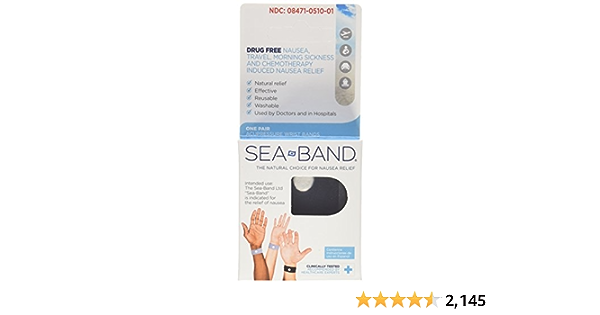
Comfort matters too. A folding chair, a small tarp for shade, and a towel can make a long day more enjoyable. If you’re prone to seasickness, take medication the night before—don’t wait until you’re on the water.
Pro tip: pack a dry bag for your phone, wallet, and keys. You’ll thank me when a wave splashes over the bow.
Master the Rules: Licenses, Limits, and Etiquette
Every fishery has rules—bag limits, size limits, seasons, and gear restrictions. Ignorance isn’t an excuse. Before you go, read the regulations for that body of water. Some areas have special rules for certain species or methods.
For example, in many trout streams, you can only use artificial lures with barbless hooks. In saltwater, there may be slot limits for redfish or snook. And catch-and-release is mandatory for some species like muskies.
Etiquette is just as important. Give other anglers space—don’t crowd someone who’s already fishing a spot. If you’re on a boat, respect no-wake zones. And always clean up after yourself. Leave the shoreline better than you found it.
Pro tip: download the regulations PDF to your phone. You can reference it on the water without cell service.
Execute on the Water: Adapt, Learn, and Enjoy
You’ve planned, packed, and arrived. Now it’s time to fish. But here’s the thing—plans change. The weather shifts, the fish move, and your guide might suggest a different spot. Be flexible.
Start by observing. Watch the water for baitfish, birds, or rising fish. If you’re not getting bites, change your lure, depth, or presentation. Sometimes a tiny tweak makes all the difference.
If you’re on a guided trip, listen to your guide. They know the water and the fish. Ask questions—you’ll learn more in one day than a year of trial and error. And tip them well if they work hard. 15–20% is standard.
Don’t forget to enjoy the moment. Take photos, but don’t spend the whole trip behind your phone. The best memories are the ones you’re fully present for.
Pro tip: keep a small notebook on the boat. Jot down what worked, what didn’t, and the conditions. You’ll thank yourself next trip.
Post-Trip: Clean Up, Log Your Catch, and Plan the Next One
The trip isn’t over when you load the boat. Take care of your gear first—rinse reels with fresh water, wash rods, and let everything dry. Saltwater is especially corrosive; a quick rinse prevents rust and extends gear life.
If you kept fish, clean them promptly and store them on ice. If you practiced catch-and-release, report your catch if required. Some states have voluntary angler surveys that help biologists manage fisheries.
Now’s the time to log your trip. Write down the date, location, weather, water temperature, what you caught, and what lures worked. You’ll start to see patterns—like how a falling barometer triggers a bite or which spots produce in the fall.
A fishing log book is perfect for this. The Clever Fox Fishing Log Book gives you structured pages for trips, catches, and notes, plus maps to mark your favorite spots. It’s a practical way to track your progress and plan future adventures.
Pro tip: leave a review for your guide or lodge. It helps other anglers and shows appreciation for good service.
Common Mistakes and How to Avoid Them
Even seasoned anglers mess up. Here are the three biggest mistakes I see and how to sidestep them:
- Overpacking gear. You don’t need 20 rods. Bring two or three that cover your target species. Focus on quality over quantity.
- Ignoring the weather. A sunny forecast can turn into a thunderstorm by noon. Check radar before you go and have a plan for sudden changes.
- Not booking early. Waiting until the last minute means you’ll miss out on prime dates and may end up with a subpar guide. Plan ahead.
Pro tip: always have a backup activity—like hiking or visiting a local museum—in case the fishing is terrible. It saves the trip from being a total loss.
Frequently Asked Questions
How far in advance should I book a fishing guide?
For popular destinations, book 2–3 months out. During peak season (like summer in Alaska), guides can fill up 6 months ahead. If you’re flexible with dates, you might find last-minute openings, but don’t count on it.
What’s the best time of year for fishing?
It depends on the species and location. Spring and fall are generally best for most freshwater fish because water temperatures are moderate. Summer can be tough for trout but great for bass. Winter is slow for many species, but ice fishing has its own appeal.
Do I need a fishing license for a guided trip?
Usually, yes. Most guides don’t include licenses in their fees—you need to buy one yourself. A few states offer “guide license” exemptions, but don’t assume. Check the regulations or ask your guide.
What should I do if the weather ruins my fishing plans?
Have a backup plan. If it’s too windy for a boat, try shore fishing in sheltered coves. If it’s raining, fish may be more active—just wear good rain gear. If lightning is a threat, get off the water and wait it out.
How do I choose between a guided trip and going solo?
Guides are worth it if you’re new to an area or want to learn a specific technique. They provide gear, knowledge, and put you on fish. Solo trips are cheaper and more flexible, but you’ll spend time scouting and figuring things out.
Final Thoughts: Your Next Fishing Trip Starts Now
Planning a fishing trip doesn’t have to be stressful. Break it down into steps: define your goal, set a budget, pick a destination, book early, research conditions, pack smart, and follow the rules. Use a countdown timeline to stay on track. And don’t forget to log your trips—you’ll build a record that helps you improve.
Here’s what to remember:
- Start planning 8 weeks out for most trips, 12 for big ones.
- Budget for licenses, guides, lodging, fuel, food, and gear—plus a buffer.
- Research target species, water conditions, and hatches before you go.
- Book guides and lodging early, especially in peak season.
- Build a gear checklist and prep everything a week ahead.
- Keep a backup plan for bad weather or slow fishing.
- Log your trips and use the data to plan better next time.
Now go make some memories on the water. Tight lines.