You packed the cooler, found the perfect spot on the map, and then realized your rod is still in your buddy’s garage three states away. Or maybe you’re traveling for work and have a free afternoon near a famous pier. Renting fishing gear solves both problems without dragging a rod tube through airport security. It’s also a smart way to test a $300 reel before committing to the purchase.
This guide covers where to rent fishing gear, what you’ll actually pay, and the fine print most renters ignore until it costs them. You’ll walk away knowing how to inspect gear like a pro, avoid liability traps, and even snag discounted equipment when shops clear out old inventory. No fluff, just the practical stuff.

KastKing
In this article
- KastKing SteelStream 6pc Fishing Tool Kit, Fishing Gear
- Why Renting Beats Buying for Occasional Anglers
- Top Locations for Gear Rentals (City-by-City Breakdown)
- Average Rental Costs and Deposit Breakdown
- What’s Included in a Standard Rental Package
- How to Inspect Your Rental Gear Before Hitting the Water
- Rules, Licenses, and Liability: What You Must Know
- Booking Strategies: Online vs. Walk-In vs. Phone
- The Smart Shopper’s Guide to End-of-Season Gear Sales
- Frequently Asked Questions About Fishing Gear Rentals
- Final Cast: Making the Most of Your Rental Experience
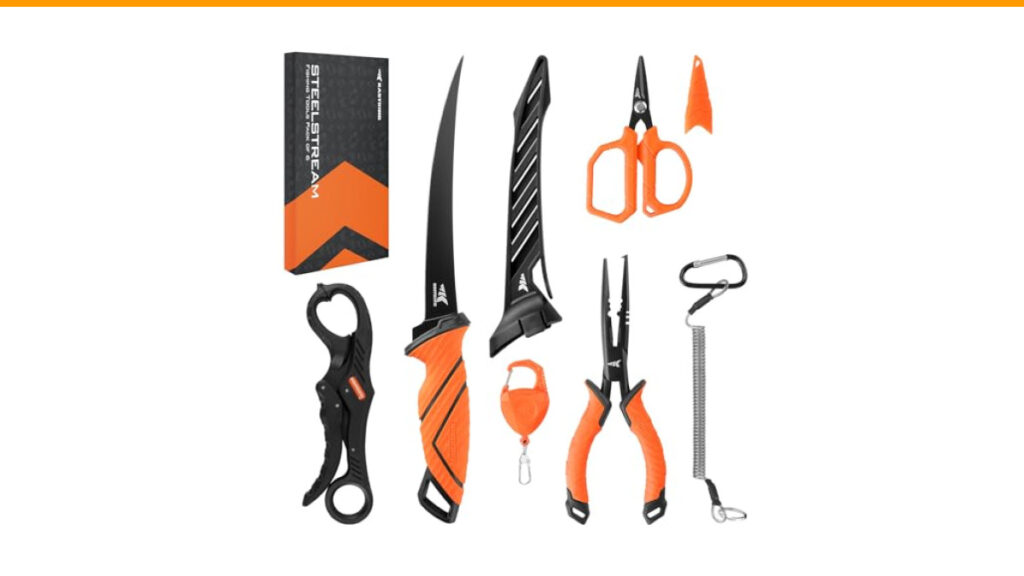
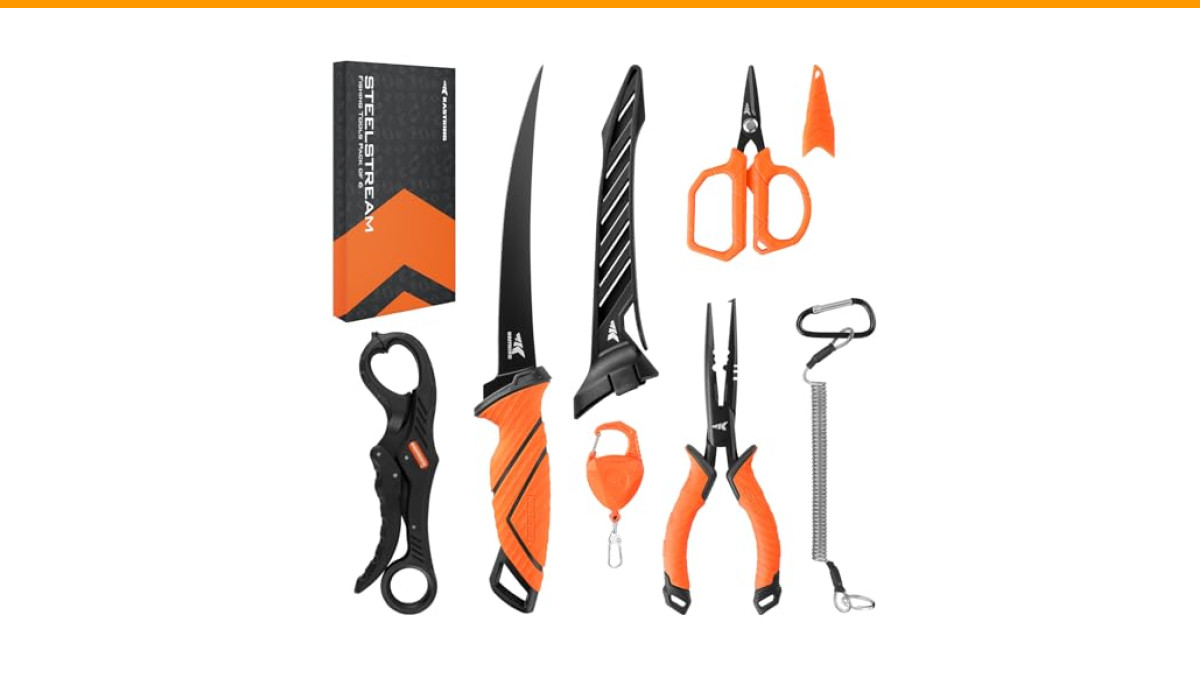
KastKing SteelStream 6pc Fishing Tool Kit, Fishing Gear
- Complete Fishing Tool Combo: The KastKing SteelStream 6 piece Tool Combo includes essential fishing tools for a seamless fishing e…
- High-Quality Materials: Crafted with precision, the combo features a 7” fishing pliers made from S45C carbon steel with a polymer…
- Razor-Sharp Fillet Knife: The 7” fillet knife is constructed from 420 Stainless steel, known for its toughness, corrosion resistan…
One quick note before we dive in: if you’re renting a rod and reel, you’ll still need your own set of tools for hook removal, line cutting, and handling fish. A compact kit like the KastKing SteelStream 6pc Fishing Tool Kit fits in a backpack pocket and covers the basics — pliers, a fillet knife, scissors, and a lip gripper — so you’re not stuck using a rock to unhook a bass.
Why Renting Beats Buying for Occasional Anglers
Let’s do the math. A decent spinning combo runs $60 to $120 at a big-box store. Add a tackle box, lures, line, and a net, and you’re looking at $200 or more before you ever wet a line. If you fish twice a year, that’s $100 per trip just in gear depreciation.
Rental shops charge $15 to $40 per day for a rod and reel setup, depending on the location and gear quality. Tackle boxes with basic lures and hooks often run an extra $5 to $10. For a weekend trip, you’re out maybe $80 total. That’s less than half the cost of buying budget gear, and you don’t have to store it.
There’s another angle that rarely gets mentioned: rental shops stock gear that’s appropriate for the local fishery. A shop on the Gulf Coast hands you a heavy offshore rig with 30-pound line. A mountain stream outfitter gives you a light 5-foot rod with 4-pound test. You get the right tool without owning five different setups.
Renting also lets you test drive premium equipment. Many shops carry high-end reels from Shimano and Penn that cost $250 new. You can fish with one for a day and decide if the upgrade is worth your money.
Top Locations for Gear Rentals (City-by-City Breakdown)
Not every bait shop rents gear. The ones that do fall into three categories: coastal piers, inland outfitters, and big-box sporting goods stores with rental counters. Here’s where to look.
Coastal Hotspots and Pier Rentals
Ocean City, Maryland has multiple piers where you can rent a rod, reel, and a bucket of squid for around $25. The catch: you have to fish on that specific pier. Rental gear doesn’t leave the property in most cases.
San Diego’s Mission Bay area has rental shops near the launch ramps that offer rod and reel combos for bay fishing. Prices run $20 to $30 for a half day. These shops also rent kayaks, so you can pair a paddle with a fishing rod for a full morning on the water.
Destin, Florida is a rental goldmine. The harbor has at least six shops renting heavy tackle for Gulf fishing, with daily rates between $30 and $50. Some include a cooler and ice in the package. Call ahead during spring break — the good gear goes fast.
Inland Lakes and River Outfitters
Lake Tahoe has several outfitters that rent downrigger setups for trout trolling. A full day runs $45 and includes the rod, reel, and a downrigger weight. You still need to buy your own lures, which adds $15 to $20.
In Arizona, Lower Gear rents fishing gear and fishing kayaks for lakes like Saguaro and Canyon. Their packages include a rod, reel, tackle box, and a net for around $35 a day. The kayak rental is separate, but they bundle if you ask.
Phoenix also has peer-to-peer rental options through services like CloudOfGoods, where locals rent out their own rods and reels for $10 to $15 a day. You’ll need to coordinate pickup and return times with the owner, and gear condition varies. It’s cheaper, but you lose the shop’s guarantee.
River outfitters in Colorado and Montana rent fly rods for $25 to $40 a day. These shops usually require a credit card deposit of $100 to $200, refundable when you return the rod undamaged. They also sell day licenses on site, which saves a trip to the gas station.
Average Rental Costs and Deposit Breakdown
Here’s a realistic look at what you’ll pay across different rental types. Prices vary by region and season, but these numbers hold up in most markets.
| Rental Type | Daily Rate | Deposit | What’s Included |
|---|---|---|---|
| Pier rod and reel (coastal) | $15 – $25 | $50 – $100 | Rod, reel, sinkers, sometimes bait |
| Inland lake setup | $20 – $35 | $100 – $150 | Rod, reel, tackle box, net |
| Fly rod outfit | $25 – $40 | $150 – $200 | Rod, reel, line, flies |
| Kayak with fishing gear | $50 – $75 | $200 – $300 | Kayak, paddle, PFD, rod, reel |
| Guided trip with gear | $150 – $400 | None typically | All gear, bait, guide, license |
Compare that to buying budget gear: a $40 rod, $30 reel, $15 tackle box, and $20 in lures totals $105. That’s roughly three rental days before you break even. If you fish more than three times a year, buying entry-level gear makes sense. If not, rent.
What’s Included in a Standard Rental Package
Most rental packages include the rod, reel, and a basic line. Some add a small tackle box with hooks, sinkers, and a few lures. Bait is almost never included — you’ll buy that separately, and it’s usually cash-only.
Here’s what to ask before you pay:
- Is the reel spooled with fresh line or whatever was left from the last renter?
- Are extra spools of line available if you break off?
- Does the package include a net and a fish gripper?
- Can you swap a spinning rod for a baitcaster at no extra cost?
- Is there a time limit on the ‘day’ rate — 8 hours or 24 hours?
Shops that cater to tourists often include a small cooler and ice for an extra $5. It’s worth it if you’re keeping fish. Ask about it.
How to Inspect Your Rental Gear Before Hitting the Water
Rental gear takes a beating. You don’t want to discover a broken drag when a 20-pound striper runs. Spend five minutes checking these four things before you leave the shop.
- Check the rod guides. Run your finger along each guide ring. Any crack or chip will fray your line and cause a break at the worst moment. A chipped guide means a snapped line and a lost fish.
- Test the drag. Set the drag by pulling line off the reel with moderate pressure. It should come out smoothly, not in jerks. If it sticks or feels gritty, ask for a different reel.
- Inspect the line. Look at the last 10 feet of line. If it’s frayed, discolored, or has memory coils, that’s old line. Ask the shop to re-spool it or take a different setup. Most shops will swap it free if you catch it before you leave.
- Check the reel seat. Make sure the reel is tight in the seat and doesn’t wobble. A loose reel seat causes the reel to twist when you cast, which ruins accuracy and can strip your line.
Pro tip: take a photo of the gear at the shop, including any existing scratches or dings. If the shop claims you damaged it on return, you have proof it was already there.
Rules, Licenses, and Liability: What You Must Know
Renting the gear doesn’t exempt you from fishing regulations. You still need a valid fishing license for the state and water body where you’re fishing. Some piers have a public license exemption — California’s ocean piers don’t require a license, for example. But if you walk onto a riverbank or a lake shore, you need one.
Ask the rental shop if they sell licenses. Many do, and they’ll know the local rules. If they don’t, buy one online before you arrive. Fishing without a license in most states carries fines of $100 to $500, and ignorance isn’t a defense.
Liability is the bigger trap. Read the rental agreement before you sign. Most shops hold you responsible for loss or damage to the gear, regardless of fault. If a fish snaps your rod, you’re paying for it. Ask about their damage policy before you agree.
Some shops offer a damage waiver for $5 to $10 per day. It covers accidental breakage but not gross negligence, like leaving the rod on the roof of your car. If you’re renting expensive gear, the waiver is usually worth it.
Also check the return policy. Shops charge late fees ranging from $10 to $20 per hour. If you’re fishing a remote spot with no cell service, plan to return early rather than risk a hefty late charge.
Booking Strategies: Online vs. Walk-In vs. Phone
Walk-in rentals work fine on weekdays, but weekends and holidays are a different story. Popular coastal shops sell out their good gear by 9 a.m. on a Saturday.
Online reservations are the safest bet. Most shops use a simple booking system where you pick your gear type, rental duration, and pickup time. You pay a deposit online, and the gear is ready when you arrive. Look for shops that offer online booking through their own website or a third-party platform.
Phone reservations are still viable at smaller outfitters. Call a day ahead, tell them what you need, and they’ll hold it. This works well for fly shops and river outfitters that don’t have online systems.
Here’s a step-by-step for reserving like a pro:
- Search for rental shops near your fishing destination. Use terms like ‘fishing gear rental [city]’ or ‘rod and reel rental [lake name]’.
- Check their website for an online booking page. If none exists, call during business hours and ask about availability.
- Confirm the daily rental rate, deposit amount, and pickup/return times before you commit.
- Ask about the damage waiver and whether it’s optional or mandatory.
- Verify they have the gear you need — saltwater vs. freshwater, spinning vs. baitcasting.
- Arrive 15 minutes early to inspect the gear and ask questions.
One thing to watch: some shops charge a full-day rate even if you only need the gear for three hours. If you’re fishing a half day, ask if they have a half-day rate. Many do, but they won’t volunteer it.
The Smart Shopper’s Guide to End-of-Season Gear Sales
Rental shops rotate their inventory every year. Around September and October, they sell off the previous season’s gear to make room for new stock. This is where you can buy a quality rod and reel combo for 40% to 60% off retail.
Watch for signs posted in the shop or follow them on social media. Most shops announce sale dates a week in advance. The good stuff goes fast, so show up early on the first day.
Inspect sale gear carefully. Rental rods have been through dozens of trips. Check for cracks, loose guides, and worn reel seats. A minor scratch is fine, but a hairline fracture in the rod blank is a dealbreaker.
Reels are a better buy than rods in these sales. A reel that’s been serviced properly will last for years, while a rod that’s been dropped one too many times may snap on your first cast. Ask the shop if they serviced the reels before putting them on the sales floor.
One more tip: buy the tackle box. Rental shops often sell complete tackle boxes with lures, hooks, and sinkers for $20 to $30. The contents alone are worth three times that. You’re essentially paying for the box and getting the tackle free.
Frequently Asked Questions About Fishing Gear Rentals
Do I need my own fishing license if I rent gear?
Yes, in most cases. The rental shop is not your fishing license. You need a valid state license unless you’re fishing on a public pier that has an exemption. Check the state fish and wildlife website for pier-specific rules. Some states allow pier fishing without a license but require one for surf or boat fishing.
What happens if I break the rented rod or reel?
You’re liable for the damage, even if it was an accident. Most shops will charge you the full replacement cost or the repair cost, whichever is less. A damage waiver, usually $5 to $10 per day, covers accidental breakage. It won’t cover loss or gross negligence. Read the rental agreement carefully.
Can I rent fishing gear for a child?
Most shops carry smaller rods for kids, but they’re often in limited supply. Call ahead and ask for a youth rod and reel combo. Some shops include a child’s setup free when you rent an adult package. It’s worth asking.
Is it cheaper to buy a cheap rod or rent for a weekend trip?
For a single weekend, renting is almost always cheaper. A budget rod and reel combo costs $50 to $70, plus line and tackle. Renting runs $30 to $50 for two days. If you fish more than three times a year, buying makes more sense. Renting is also better if you want to try premium gear without the commitment.
Do rental shops provide bait and lures?
Some do, but most charge extra. Live bait like worms, shrimp, or squid is almost never included in the rental price. Basic lures and hooks often come in a tackle box add-on for $5 to $10. If you’re picky about lures, bring your own — rental shops stock generic options.
Final Cast: Making the Most of Your Rental Experience
Renting fishing gear is a practical move for travelers, beginners, and anyone who wants to test premium equipment without the price tag. The key is to treat it like a professional transaction, not a casual favor.
- Reserve online or by phone at least a day ahead, especially on weekends and holidays.
- Inspect the rod guides, drag, and line before you leave the shop — five minutes now saves a ruined trip later.
- Ask about half-day rates and damage waivers. Both can save you money and stress.
- Bring your own tools like the KastKing SteelStream kit — rental shops don’t always provide pliers, scissors, or a lip gripper.
- Take a photo of the gear before you leave to protect yourself against false damage claims.
- Check if the shop sells fishing licenses on site. If not, buy one online before you go.
- Visit rental shops in late September to catch end-of-season sales on used gear — the tackle boxes alone are worth the trip.
Renting isn’t a compromise. It’s a smarter way to fish when you’re away from home or just getting started. Now get out there and make some casts.