You’ve lost your last good popper to a submerged log, and the store is a forty-minute round trip. Or maybe you’re staring at a pile of wine corks and wondering if they’re good for anything besides the craft drawer. They are. A cork makes a surprisingly effective topwater lure for bass, bluegill, and crappie, and you can build one in under fifteen minutes with stuff you probably already own.
This guide walks you through the whole process: picking the right cork, shaping it, rigging the hooks, and painting it so fish actually commit. You’ll also learn when a cork popper beats a store-bought plug and when it doesn’t. No special tools required—just a knife, some glue, and a few terminal tackle pieces.

Dr.Fish
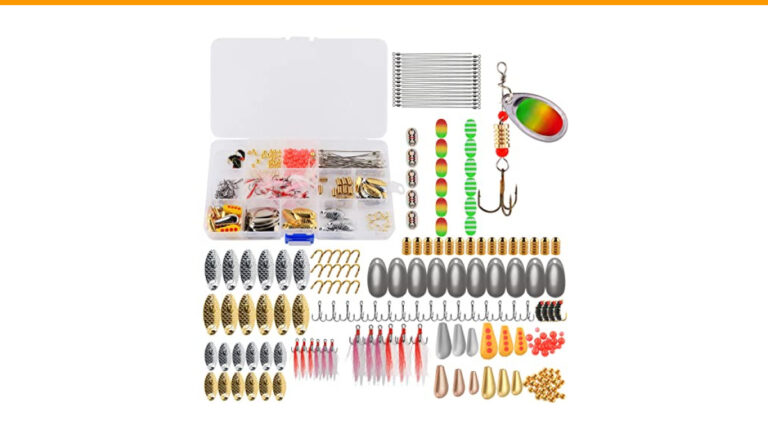
Dr.Fish 1310pk Spinner Making Kit Walleye Rig Lure Making Accessories
- 1310 pieces huge quantity lure making supplies including hooks, spinner blades, spinner shafts, clevises, lure bodies and rig floa…
- Includes total 100 pieces of spinner blade in multiple different styles, sizes and patterns
- Specially chosen tackles allow you to make spinners and walleye rigs with just one kit. We added rig floats, speed change clevis a…
If you want to skip straight to a complete kit, the Dr.Fish 1310pk Spinner Making Kit has the hooks, clevises, and beads you’ll need for this project and a dozen others. It’s a solid starting point if your tackle box is thin on components.

Why Bother With a Cork Lure?
Let’s be honest: a cork isn’t a precision-engineered crankbait. It doesn’t have the action of a $12 jerkbait, and it won’t cast like a pencil popper. But it does one thing really well—it makes noise. Cork is buoyant, soft, and porous, so it displaces water with a distinct ‘plop’ that panfish and bass find hard to ignore.
I’ve caught more bluegill on a red-and-white cork popper than on any store-bought fly. The fish hit it because it looks like a wounded bug struggling on the surface. That’s the whole trick. You’re not imitating a shad or a frog; you’re imitating something easy to catch.
There’s also the satisfaction angle. Catching a fish on something you made from trash feels different. It’s like the difference between buying dinner and cooking it—both fill you up, but one leaves a memory.
What You Need to Get Started
Here’s the short list. Most of this is probably in your garage or tackle box already.
- Cork: Natural cork from a wine bottle works best. The synthetic ones are too dense and don’t compress when a fish bites down. Save the good stuff.
- Hook: A #4 or #6 single hook for panfish, or a #2 for bass. You can use a treble, but a single hook is easier to set and doesn’t foul as often.
- Toothpick or wire: This is your through-shaft. A bamboo skewer or a piece of stiff wire works fine.
- Super glue or epoxy: You need something waterproof. Regular white glue won’t hold up to a pike’s teeth.
- Paint or markers: Acrylic paint and a clear coat, or just a permanent marker if you’re in a hurry.
- Split rings and pliers: For attaching the hook to the lure body.
That’s it. No lathe, no drill press, no fancy molds. A sharp knife and a steady hand are the only real requirements.
Step-by-Step: Shaping the Cork Body
Start with a clean, dry cork. If it’s stained from wine, give it a quick rinse and let it dry completely—moisture weakens the glue bond later.
- Trim the ends: Cut off the rounded top and the flat bottom. You want a cylinder roughly 1.5 inches long. For smaller panfish, cut it down to an inch.
- Shape the taper: Hold the cork vertically and shave the top edge at a 45-degree angle. This creates the ‘face’ of the popper—the flat front that pushes water when you twitch the rod. The back end stays rounded.
- Cut the hook slot: On the underside, carve a shallow groove about a quarter-inch deep. This is where the hook will sit. Don’t cut all the way through—you still need the cork to float.
- Insert the toothpick: Push a toothpick through the center lengthwise. This gives the hook something to bite into and prevents the cork from splitting when you set the hook.
- Sand the rough edges: A quick pass with fine sandpaper smooths out knife marks. Rougher cork actually holds paint better, so don’t overdo it.
One thing I learned the hard way: don’t make the face too steep. A 45-degree angle is perfect. If you go steeper, the lure just pushes water instead of popping it, and you lose the sound that triggers strikes.
Rigging the Hook and Hardware
Now you’ve got a shaped cork body. Time to make it fishable.
- Attach the hook: Use a split ring to connect the hook to the toothpick shaft. If you’re using a wire shaft, bend a small loop at the front and back ends first.
- Set the hook depth: The hook point should sit just above the cork’s surface when the lure is at rest. If it’s buried too deep, the fish won’t get hooked. If it’s exposed too much, the lure won’t float right.
- Glue the toothpick in place: Apply a drop of super glue at both ends where the toothpick exits the cork. This keeps everything from spinning loose during the cast.
- Add a split ring at the front: This is where your line attaches. A small split ring works better than tying directly to the toothpick—it gives the lure more freedom to wiggle.
Test the float in a sink or a bucket of water. The hook should hang down at about a 45-degree angle. If the cork sits too high, add a small split shot to the hook shaft. If it sits too low, you’ve got too much hardware. Trim the hook or use a lighter split ring.
Painting and Finishing: Make It Look Alive
Fish aren’t picky about color, but they are picky about contrast. A cork popper that’s all one color is easy to lose sight of in murky water. You want a dark back and a light belly—that’s the classic profile of a baitfish or a bug.
- Base coat: White or light yellow on the bottom half. Let it dry completely.
- Top coat: Black, dark green, or red on the top half. Don’t worry about clean lines; a messy boundary looks more natural.
- Details: Add two small dots for eyes with a permanent marker. This sounds silly, but it makes a huge difference in strike rate. Fish aim for the head.
- Clear coat: A thin layer of epoxy or nail polish protects the paint from teeth and water. Skip this if you’re using markers—they soak into the cork and don’t chip.
My go-to pattern is a red head, white body, and black back. It’s not subtle, but it works in both clear and stained water. If the fish are being finicky, switch to all-natural cork with no paint at all. Sometimes the plain look is exactly what they want.
When to Use a Cork Popper (and When Not To)
Cork poppers shine in calm water at dawn and dusk. The surface is flat, the fish are looking up, and the noise carries. They’re deadly for bluegill, crappie, and small bass in ponds and slow rivers.
They’re not great in heavy wind or fast current. The small body struggles to make enough noise to compete with the chop. For those conditions, you’re better off with a heavier, more aerodynamic lure that casts into the wind.
They also don’t cast far. A cork is light, so you’re limited to short and medium distances. If you need to reach a weed line fifty yards out, this isn’t your lure. Keep it for close-quarters work along banks, docks, and fallen trees.
| Situation | Cork Popper | Store-Bought Topwater |
|---|---|---|
| Calm pond, early morning | Excellent—quiet, natural pop | Good—but often too loud |
| Windy lake surface | Poor—too light to cast or pop | Good—heavier body cuts wind |
| Heavy cover (lily pads, brush) | Risky—hook snags easily | Better—weedless options exist |
| Cost per lure | Near zero (recycled cork) | $5–$15 each |
| Durability | Low—cork crushes after a few fish | High—plastic and wood last |
Notice the durability line. A cork popper is a consumable. You’ll crush it on a hard hookset or lose it to a pike after a few outings. That’s fine—you can make five more in the time it takes to drive to the store.
Tips for Fishing Your Cork Lure
You can’t fish a cork popper like a crankbait. It’s a twitch-and-pause lure. Cast it out, let the ripples settle, then give the rod tip a sharp snap. The cork will pop and spit water. Pause for two or three seconds. Repeat.
Most strikes happen during the pause, not the pop. The fish hears the noise, turns, and hits the lure as it sits still. If you feel a tap, don’t set the hook immediately. Wait half a second, then drive the hook home.
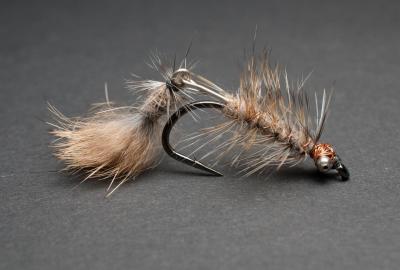
If the fish are short-striking (nipping the tail but missing the hook), downsize the hook or add a small feather or yarn trailer to the back. That extra flutter is often the trigger.
Can I use a wine cork with a plastic wine stopper?
No. The plastic or rubber stopper is too dense and doesn’t compress. Stick with natural cork. If you don’t drink wine, ask a restaurant or a friend who does—most people are happy to hand over a handful.
What size hook should I use for bluegill?
A #6 or #8 single hook works best. Bluegill have small mouths, and a big hook just rips out on the hookset. Match the hook to the fish you’re targeting, not the size of the cork.
How do I keep the paint from chipping off?
Use a flexible clear coat like epoxy or a nail polish top coat. Rigid acrylic paints chip off the cork when it flexes during a cast. Also, don’t paint the entire lure—leave the face bare for better water displacement.
Will this work for bass or just panfish?
Small bass (up to 2 pounds) will hit it readily. Largemouth bass in the 4-pound range will also hit it, but you’ll need a sturdier hook and a thicker wire shaft. The cork body itself is fine; just beef up the hardware.
How long does a cork lure last before falling apart?
Depends on the fish. Bluegill are gentle—a single lure might last a dozen outings. A pike or a big bass will crush the cork on the first bite. Plan on making a few extras before each trip.
Final Thoughts: What to Remember
You don’t need a tackle shop to get into topwater fishing. A cork, a hook, and ten minutes of work get you on the water with something that catches fish.
- Use natural cork, not synthetic—it floats better and compresses on the hookset.
- Shape the face at a 45-degree angle for the right popping sound.
- Rig the hook with a split ring on a toothpick or wire shaft for durability.
- Paint a dark back and light belly, and always add eyes.
- Fish it slow—twitch, pause, and wait for the strike during the pause.
- Expect to lose or crush these lures. Make several at once.
- For a complete component kit, check the Dr.Fish spinner making kit—it has the hooks and hardware to keep you stocked.
Now go find a cork and a hook. The fish aren’t going to catch themselves.