The Core Difference: Reel Position and Rod Design
You’re standing on a bank, wind kicking up, and you need to pitch a jig under a low-hanging branch. Your buddy with a baitcaster drops it right in the pocket. You, with a spinning rod, have to lob it and hope. That’s the moment the difference between baitcasting and spinning rods stops being theory.
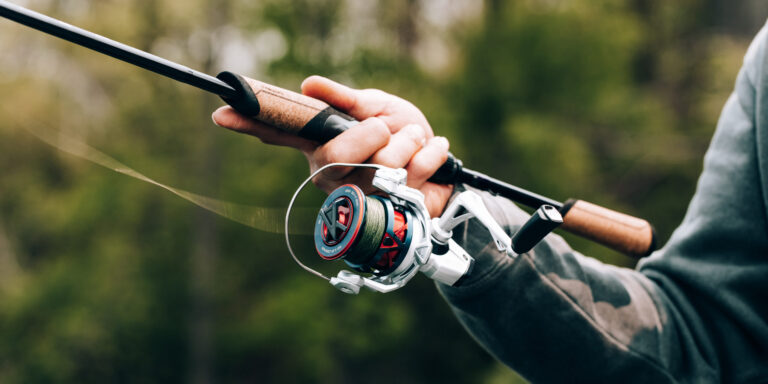
The baitcaster sits on top of the rod, with the reel’s spool facing you. The rod’s guides are smaller and closer to the blank. That design puts your thumb right on the line for precise control during the cast. A spinning rod has the reel hanging underneath, with a fixed spool and larger guides that gradually taper down. The line peels off the spool in coils, which creates a bit more friction but also makes it forgiving.

Piscifun
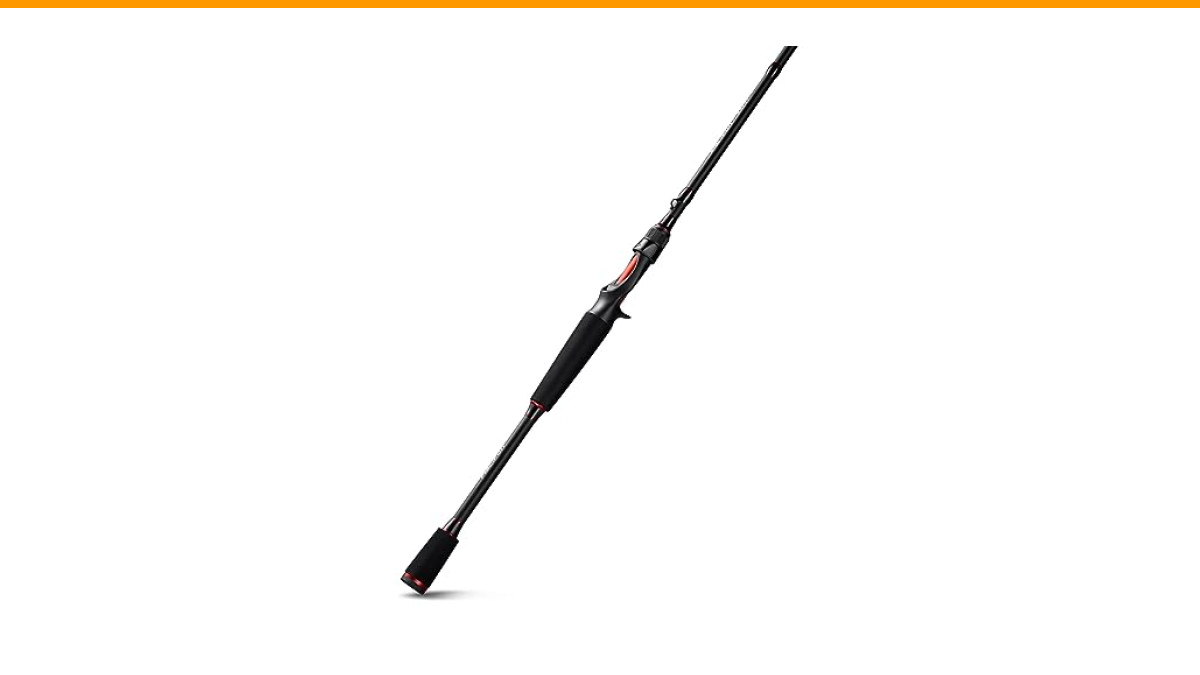
Piscifun Torrent Baitcaster Rod, Portable 2 Piece Casting Rod, Durable Lightweight Sensitive Baitcasting Fishing Rod (7'3" MH-F)
- Feature Material:The Piscifun Torrent baitcaster rod is crafted from high-strength IM6 carbon, providing a well-balanced yet power…
- Sensitive:The tip is designed for extra strength and enhanced sensitivity, allowing you to detect even the lightest bites while wo…
- Lightweight:The lightweight design feels balanced in your hand, enhancing your range of movement and minimizing fatigue. The EVA g…
Here’s what you’ll walk away knowing: which setup fits your fishing style, how to avoid the dreaded backlash, and where to spend your money without regret. I’ve fished both for over a decade, and I still keep a spinning rod in the truck for finesse work. But for heavy cover and punching mats, nothing beats a baitcaster.
If you’re starting out and want a solid baitcaster without breaking the bank, the Piscifun Torrent Baitcaster Rod is a practical option. It’s built from IM6 carbon, which keeps it light and sensitive, and the stainless steel guides with titanium inserts handle braid smoothly. I’ve used it for bass and redfish, and it holds up well.
Casting Mechanics: Spool Rotation vs. Fixed Spool
The baitcaster uses a revolving spool. When you cast, the spool spins faster than the line leaves the rod, and that’s where backlash comes from. You control the spool speed with your thumb and the brake system. The spinning reel has a fixed spool; the line just slides off the edge. That’s why spinning is easier to learn—no thumb needed.
But easier comes with trade-offs. The line coils off a spinning reel, so it carries a bit of twist. That matters with monofilament, which has memory. Braided line handles it better. Baitcasters lay line flat and straight, which reduces twist and gives you better casting distance with heavier lures.
For accuracy, baitcasters win. You can drop a lure into a coffee cup-sized spot once you practice. Spinning reels are more about lobbing and letting the rod do the work. If you’re flipping or pitching into heavy cover, you’ll want the baitcaster’s thumb control.
The Backlash Problem: Why Baitcasters Tangle (and How to Prevent It)
Backlash is the bird’s nest that happens when the spool spins faster than the line can exit. It’s not a flaw—it’s a physics problem. The spool’s momentum keeps going even after the lure slows down. You can tame it with three things: spool tension, magnetic brakes, and your thumb.
Set the spool tension so the lure falls slowly when you release the thumb bar. Tighten it for light lures, loosen for heavy ones. The magnetic brake (or centrifugal brake on some reels) adds friction to slow the spool. Start with the brake high, then dial it down as you get comfortable.
A practical tip: in windy conditions, increase the brake and tighten the spool tension. Wind pushes the lure back, which can make the spool overrun. I’ve seen guys lose whole spools of line to a gust. Also, use heavier lures when it’s breezy—they cut through the air better.
Spinning reels don’t backlash, but they do get line twist. That happens when you reel against a drag that’s too tight, or when a lure spins. To fix it, open the bail and let the line untwist by dragging it behind the boat. It’s a different kind of annoyance, but easier to fix.
Power, Sensitivity, and Hookset Leverage
Rod power (light, medium, heavy) and action (fast, moderate, slow) matter more than the reel type. But the rod design affects how you feel bites and set hooks.
Baitcasting rods are generally stiffer and have a faster action. That gives you a solid hookset—you can drive a heavy jig hook through a bass’s jaw with a quick wrist snap. The shorter, stiffer blank also transmits more vibration, so you feel a subtle bite on a shaky head. Spinning rods are often more forgiving, with a slower action that loads up on the cast. That’s great for finesse lures like drop shots, but you lose some hookset power.
For example, a 7’3″ medium-heavy baitcaster with a fast tip is perfect for jigs and Texas rigs. You get the backbone to pull fish out of thick grass, but the tip still has enough flex to cast a 3/8-ounce jig. A spinning rod in the same power would feel softer and might not have the guts for heavy cover.
The Piscifun Torrent baitcaster rod I mentioned has a fast action tip, which helps with sensitivity. I could feel a crawfish ticking the bottom, and the hookset was immediate. That’s what you want when fish are finicky.
Ergonomics and Fatigue: The All-Day Fishing Factor
Casting a baitcaster all day can wear on your wrist and forearm. The reel sits on top, so your wrist is constantly rotating to keep the rod tip up. Spinning reels hang below, which balances the rod better and reduces wrist strain. If you have arthritis or plan to fish for six hours straight, that’s a real consideration.
I’ve noticed that after a long day of flipping docks, my forearm aches from the constant thumb pressure on the spool. With a spinning rod, the motion is more natural—you just open the bail and cast. But the trade-off is that spinning reels can feel awkward for some people, especially if you’re used to the top-mounted reel.
Grip material matters too. Cork is classic and lightweight, but EVA foam is more durable and doesn’t absorb water. The Torrent’s EVA grip is comfortable, even in hot weather. I’ve used rods with cheap cork that crumbled after a season; EVA lasts longer.
Maintenance and Durability: What’s Under the Hood
Baitcasters are complex machines. Inside, you’ve got gears, a level-wind mechanism, and a brake system. Each needs cleaning and lubrication. If you drop a baitcaster in sand, you might as well take it apart and clean it immediately. Spinning reels are simpler—fewer moving parts, and the drag is easier to access.
In practice, that means baitcasters need more attention. I clean mine every few months, depending on how often I fish. You’ll want to remove the side plate, wipe down the gears, and apply a light oil. Spinning reels just need a rinse after saltwater use and a drop of oil on the bail hinge.
Rod guides are another difference. Baitcasters have smaller, single-foot guides that are more prone to breaking if you smack them on the gunwale. Spinning rods have larger, multi-foot guides that are sturdier. The Torrent uses stainless steel guides with titanium inserts, which resist corrosion and don’t pop out like ceramic ones can.
Casting Distance, Accuracy, and Wind Resistance
In calm conditions, a baitcaster with a light spool can cast farther than a spinning reel with the same lure weight. That’s because the spool has less inertia, and the line leaves with less friction. But in wind, spinning reels are easier to control—you can feather the line with your finger to slow the cast.
For accuracy, baitcasters are superior. You can pitch a lure under a dock with pinpoint precision. Spinning reels are better for distance in open water, especially with light lures like finesse worms or small crankbaits. If you’re fishing a windy bank, the spinning rod’s open face lets you cast into the wind without as much backlash risk.
A trick I use: when it’s windy, I switch to a spinning rod with a heavier lure. The extra weight cuts through the wind, and the open face doesn’t tangle. With a baitcaster, I’d tighten the brakes and use a sidearm cast to keep the line low.
Lure Compatibility: From Micro Finesse to Heavy Cover
Baitcasters shine with lures over 1/4 ounce. They handle jigs, spinnerbaits, crankbaits, and heavy Texas rigs with ease. The reel’s gear ratio matters—a 6.4:1 is good for cranking, while a 7.5:1 is faster for jigs. Spinning reels are better for finesse: drop shots, Ned rigs, and light weightless plastics.
There’s a crossover zone. A light baitcaster can throw a 1/8-ounce lure, but it’s not fun. The spool doesn’t have enough mass to carry the cast, so you get backlash. A spinning reel can throw a 1/16-ounce jig head with no problem. That’s why many anglers carry both.
If you’re fishing for bass in heavy cover, a baitcaster with 20-30 lb braid is the way to go. You need the power to pull a fish out of matted vegetation. For trout or panfish, a spinning rod with 4-6 lb line is more appropriate—you can feel the light bite and cast tiny spinners.
The Species and Technique Decision Matrix
| Species | Technique | Rod Choice | Why |
|---|---|---|---|
| Bass (heavy cover) | Flipping/pitching jigs | Baitcaster, MH-F | Power for hookset, accuracy for tight spots |
| Bass (open water) | Crankbaits | Baitcaster, M-MF | Reel speed and distance |
| Trout (streams) | Light spinners | Spinning, UL-F | Light lure casting, finesse |
| Panfish | Bobber and worm | Spinning, L-F | Small lures, easy casting |
| Pike/Musky | Large swimbaits | Baitcaster, H-F | Heavy lures, strong hookset |
| Inshore (redfish) | Spoons, soft plastics | Baitcaster, MH-F | Durability in salt, casting distance |
That matrix isn’t absolute, but it covers the common scenarios. The key is matching the rod’s power to the lure weight and the cover you’re fishing.
Budget Guide: Where to Spend Your Money
Beginner Setups Under $100
If you’re new, start with a spinning combo. They’re cheaper, easier to learn, and more forgiving. Spend most of your budget on the rod, not the reel. A decent rod with a $30 reel will outperform a $100 rod with a $10 reel. Look for a 6’6″ medium-fast spinning rod that can handle 6-12 lb line.
For baitcasting beginners, you can find combos under $100, but the reel quality is often poor. The brakes might be inconsistent, and the gears feel rough. I’d rather you buy a $50 rod and a $60 reel than a $100 combo that frustrates you.
Mid-Range Performance Builds
In the $150-$250 range, you get real improvements. Reels with better braking systems, smoother drags, and lighter frames. Rods with higher modulus carbon, like the Piscifun Torrent, which uses IM6 carbon. That gives you sensitivity without the weight. This is the sweet spot for most anglers.
For spinning, a $100 reel with a $100 rod is a solid balance. For baitcasting, put more into the reel—it’s the heart of the system. A $150 reel with a $100 rod works well.
High-End Specialized Gear
Above $300, you’re paying for weight reduction and precision. Japanese reels with magnesium frames, rods with nano-carbon. The difference is noticeable—you can fish all day without fatigue, and the sensitivity is incredible. But unless you’re a tournament angler, you won’t catch more fish. Spend the extra money on a good pair of polarized sunglasses instead.
Final Verdict: Choosing Your Next Rod
Ask yourself three questions. What lures will you throw most? If they’re over 1/4 ounce, go baitcaster. If you’re finesse fishing, spinning. What’s your experience level? If you’re new, spinning is less frustrating. Where are you fishing? Heavy cover favors baitcasters, open water favors spinning.
Here are the takeaways to act on:
- Baitcasters offer accuracy and power, but they have a steeper learning curve.
- Spinning reels are easier to learn and better for light lures.
- Wind is your enemy with baitcasters; increase brakes and use heavier lures.
- Maintenance is more involved for baitcasters—clean them regularly.
- Match rod power to your target species, not just the reel type.
- For a budget baitcaster, the Piscifun Torrent is a solid pick—check the current price on Amazon.
- Keep both setups if you can; they complement each other.
You’ll know you’ve made the right choice when your casts feel effortless and your hooksets are solid. That’s the goal.