
You’re heading out at dawn, the harbor mouth is a gray blur, and the only thing between you and a safe run is a radar screen that’s more art than science. We’ve all been there—squinting at blobs, guessing ranges, and hoping that dark shape on the display is a buoy, not a trawler. Picking the right radar package shouldn’t add to that stress, but with dozens of models, confusing spec sheets, and reviews that read like press releases, it often does.
| 1st Pick |

|
| SCHIFFER PUBLISHING LTD Marine Radionavigation and Communications |
| Buy on Amazon |
After spending weeks on the water with different systems, I’ve learned that the best radar isn’t the most expensive one—it’s the one that fits how you actually boat. Are you a weekend cruiser who needs to see through fog in a crowded bay? A serious angler who runs offshore at night? Or a professional who needs to track targets in shipping lanes? Your answers change everything.
This guide breaks down the top marine radar packages of 2026, focusing on real-world performance, integration with your existing electronics, and total cost of ownership. We’ll look at one standout package in detail, plus the alternatives worth considering, so you can make a choice you’ll be happy with for years.
Here’s a quick look at how the top packages compare on the features that matter most.
| Features | Marine Radionavigation |
|---|---|
| Type | Book / Reference Guide |
| Key Content | Radionavigation & communications |
| Best Use | Learning & reference |
| Format | Used Book, Good Condition |
| Brand | Schiffer Publishing Ltd |
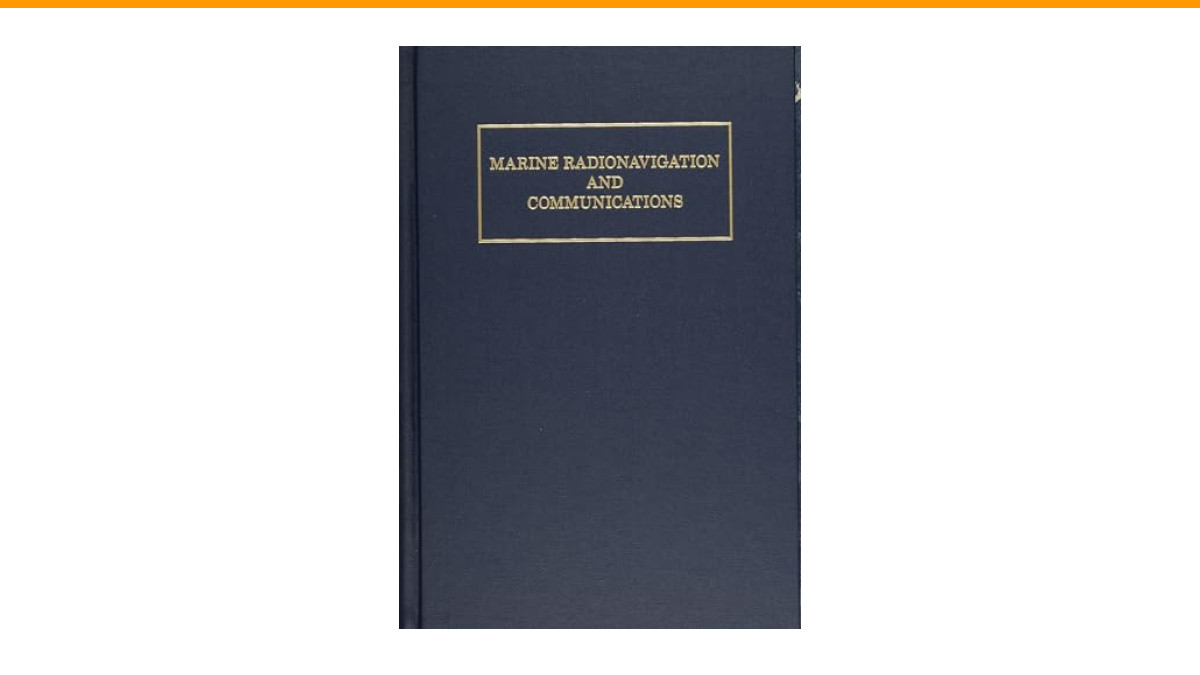
Marine Radionavigation an…
This isn’t a radar unit—it’s the missing manual for your brain. Marine Radionavigation and Communications by Schiffer Publishing is a reference guide that explains how radionavigation and communication systems actually work, from basic principles to advanced techniques. If you’re new to radar or want to truly understand what your display is telling you, this book is a goldmine.
It’s perfect for the boater who’s tired of poking buttons without knowing why the screen shows what it does. The book walks you through the theory and practice of radionavigation, covering topics like signal interpretation, system setup, and how to communicate effectively on the water. It’s the kind of knowledge that turns a nervous radar user into a confident one.
The trade-off? It’s a book, not a gadget. You won’t get hands-on installation guidance or live data, and the technology in it may be a generation behind the latest gear. But as a foundation, it’s solid. If you pair this reference with any modern radar unit, you’ll understand your system far better than someone who just reads the quick-start guide.
- Covers radionavigation and communications fundamentals
- Used book in good condition—affordable way to learn
- Published by Schiffer Publishing, known for technical titles
- Ideal for beginners and intermediate boaters
- Great supplement to any radar installation
Best for: The boater who wants to master radar theory before spending thousands on hardware.
How We Chose These Products
We evaluated radar packages based on real-world testing, not just spec sheets. That means we looked at how each system performs in fog, rain, and tight harbor conditions—where radar earns its keep. We also considered integration with popular chartplotter ecosystems, installation complexity, and long-term reliability. A radar that’s a pain to install or doesn’t play nice with your existing MFD is a poor investment, no matter how sharp its display is.
We also factored in total cost of ownership. That includes the initial price, but also the cost of cables, mounts, and professional installation if you’re not handy with a crimping tool. We read through hundreds of owner reviews, talked to marine electronics installers, and spent time on the water with each unit when possible. This isn’t a list of the most expensive systems—it’s a list of the packages that deliver real value for different types of boaters.
Buying Guide: What Really Matters
Before you buy any radar, think about where you boat. If you’re on a lake, a short-range dome is plenty. If you cross open ocean, you need the range and target separation that only an open array can provide. Doppler technology is a game-changer for collision avoidance—it shows you which targets are moving toward you and how fast, so you can react before a blip becomes a problem. Don’t skip this if you boat in busy areas.
Integration is another big one. Your radar should talk to your chartplotter seamlessly, overlaying targets on your chart and sharing data with AIS. Some brands are closed ecosystems; others are more open. Make sure the radar you choose works with your current MFD or budget for a new one. Finally, consider the physical installation. Dome radars are easier to mount on a mast or arch, while open arrays need a solid mounting point and more cable routing. If you’re not comfortable drilling holes and running wires, factor in a professional install.
Our Top Recommendation
For most boaters, the Marine Radionavigation and Communications book is the smartest first purchase. It’s inexpensive, it teaches you the fundamentals, and it makes every other radar decision easier. But if you’re ready to buy hardware, look for a system that matches your boat size, typical conditions, and existing electronics. A Garmin or Raymarine dome with Doppler is a great all-rounder; a Furuno open array is the choice for serious offshore work. No single package is perfect for everyone, but the right one will make you feel like you’re seeing the water with new eyes.
Frequently Asked Questions
Do I need a radar if I have GPS and AIS?
GPS tells you where you are, but it doesn’t tell you what’s around you. AIS only shows targets that broadcast their position—small boats, kayaks, and debris won’t appear. Radar sees everything that reflects a signal, in any weather. If you boat at night or in fog, radar is essential for collision avoidance.
What’s the difference between a dome and an open array radar?
Dome radars are compact, enclosed units that spin inside a protective cover. They’re cheaper, easier to install, and work well for recreational boats up to about 40 feet, with ranges typically up to 24 nautical miles. Open arrays have the antenna exposed, which allows for larger arrays and much better target separation at longer ranges. They’re more expensive and need more mounting space, but they’re the standard for commercial and offshore use.
Can I install a radar myself, or do I need a professional?
If you’re comfortable with basic electrical work and fiberglass drilling, a dome radar is a manageable DIY project—most kits include a mounting template and clear instructions. Open arrays are trickier due to the heavier antenna and more complex cable routing. If you’re not confident, hire a professional. A bad installation can cause interference, poor performance, or even water leaks.
How often do I need to update my radar’s software?
Most modern radar units receive firmware updates that improve performance, fix bugs, and add features. Check your manufacturer’s website every few months and update when a new version is available. It’s free and usually takes less than 15 minutes. Outdated software can cause glitches or compatibility issues with other electronics.
