Cape Coral canals hold some of the most aggressive inshore fish in Florida. You can spend an hour untangling a bird’s nest in a mangrove snag, or you can land a slot-sized snook right off a residential seawall. The difference often comes down to the lure tied on your line. Anglers who fish these backwaters regularly know that the right topwater plug can turn a quiet morning into a memorable one.
Success here depends on matching the lure to the conditions. Tidal movement pushes baitfish through dead-end canals, and gamefish pin them against the seawalls. A lure that casts accurately, walks naturally, and survives repeated collisions with concrete will outfish anything that looks pretty in the package but falls apart on the third cast. You need gear that handles the structure, not just something that catches fish in open water.
This guide focuses on the one lure that stands above the rest for Cape Coral’s unique canal system. We’ll break down why it works, where to throw it, and how to work it around docks and mangroves. You’ll also get a framework for choosing colors based on water clarity and a seasonal calendar so you know exactly when to tie it on.
Here’s how the top pick compares to other options you might consider.
| Features | Capt Jay Popper | Typical Subsurface Crankbait | Standard Soft Plastic |
|---|---|---|---|
| Material & Build | ABS resin, wire-thru | Plastic or balsa | Lead head, plastic body |
| Action Type | Surface topwater popper | Dives and wobbles | Swims near bottom |
| Key Strength | Long-distance casting | Deflects off structure | Mimics baitfish precisely |
| Hook Quality | Japanese 3X treble hooks | Varies by brand | Single hook, often exposed |
| Best Use Case | Low-light topwater strikes | Deep canals, open water | Slow retrieves, clear water |

Capt Jay Fishing Popper
CAPT JAY FISHING
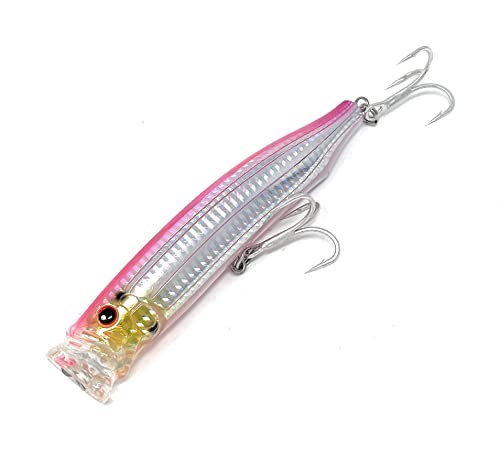
Capt Jay Fishing Saltwater Popper Lures topwater Floating Fishing Surf Lure, Poppers, Surf Fishing Lures (Pink (150mm), 150)
- Classic Popper lures with 3D eyes , laser effect fish scale, Tough and Durable ABS Resin Material, Heavy Duty Split Rings, Stainle…
- New design-elliptic mouth, Strong temptation, Hit water fiercely.
- Perfectly weighted for long distance casting, the new redesigned power Popper is ideal for surf casting for Striped Bass, Jack Cre…
The one that gets eaten on the first cast of the morning.
This popper is built for the specific chaos of canal fishing. The wire-through construction means a big snook can’t pull the front hook hanger out of the body. The ABS resin shell shrugs off collisions with seawalls and dock pilings that would crack lesser lures. For anglers who fish the residential docks and mangrove shorelines of Cape Coral, this durability translates directly into fewer lost fish and fewer trips back to the tackle shop.
What makes this lure genuinely different is the elliptic mouth design. It doesn’t just pop; it throws a sharp, violent splash that mimics a fleeing baitfish crashing on the surface. That aggressive disturbance triggers reaction strikes from snook and redfish holding tight to structure. The laser-etched scale pattern and 3D eyes add a level of realism that matters when fish are following but not committing. It casts like a bullet, which helps you reach the far side of a wide canal or drop a lure inches from an overhanging branch.
There are trade-offs. The hooks are dangerously sharp, so handling it in the boat or on the dock requires focus. The 150mm size is substantial; smaller fish like juvenile sheepshead may strike short. It’s a lure for targeting bigger predators, not for panfish. You’ll also want to use a braided line with a fluorocarbon leader, because the heavy trebles can straighten lighter gear on a hard hookset.
- Wire-through construction for strength on big fish
- Elliptic mouth design creates a loud, tempting splash
- 3X Japanese Sugiura treble hooks hold firmly
- Laser scale pattern and 3D eyes add realism
- Weighted for long-distance casting accuracy
Best for: The angler who wants a single, tough topwater lure that can handle the abuse of seawalls and still provoke strikes from large snook and redfish.
Why Cape Coral Canals Are a Lure Fisherman’s Paradise
These canals are not natural waterways. They are dredged, straight, and lined with concrete. That sounds like poor habitat, but it’s actually a fish magnet. The seawalls create a hard edge that funnels baitfish and provides ambush points. Tidal movement pushes water and food through the system, and gamefish set up shop at the bends and dead ends.
Residential docks add shade and structure. Snook love the dark shadows under a dock. Redfish cruise the edges looking for crabs and shrimp. Tarpon roll through the larger canals during certain times of the year. The key is that the fish are always relating to something structural. They are not roaming the middle of the water column. This makes accurate casting more important than casting distance.
Fishing here is a game of inches. A lure that lands two feet from the seawall gets ignored. One that lands six inches from the wall and splashes down hard gets eaten. This is why a topwater popper that you can place precisely is such a valuable tool. It allows you to present the lure in the strike zone without spooking the fish with a noisy boat or a sloppy cast.
How to Work Lures Around Docks and Mangroves
Reading the water is half the battle. Look for the current seams where moving water meets still water. Snook often hold on the downstream side of a dock piling, waiting for bait to wash past. Cast beyond the target and retrieve the lure so it passes the fish’s nose. The splash of the popper should land just past the structure, not on top of it.
Mangrove shorelines require a different approach. The roots create a canopy that fish use for shade and protection. You cannot drag a treble-hooked lure through the roots without hanging up. This is where the popper’s ability to stay on the surface shines. A steady, rhythmic pop keeps the hooks out of the submerged branches. Pause between pops. Let the lure sit. That pause is often when the strike comes.
Casting angles matter more than casting distance. Position your boat or yourself so you can cast parallel to the seawall, not directly at it. This keeps the lure in the strike zone for the entire retrieve. For docks, cast under the overhang. The shadow line is the target. If you can skip the lure under the dock, you are in business. The Capt Jay popper’s weight helps it skip well with a low rod angle.
Choosing Lure Colors Based on Water Clarity
Water clarity in Cape Coral changes with the tide and the weather. A heavy rain can turn the canals muddy for days. A clear winter morning might give you ten feet of visibility. Your color choice should follow the water, not the calendar.
In dirty or stained water, you need contrast. Chartreuse and white combinations are the standard for a reason. They stand out against the murk and give fish a visible target. The pink color of the Capt Jay lure works surprisingly well in these conditions. It retains its visibility when other colors fade into the brown water. The loud popping action also helps fish locate it by sound and vibration.
In clear water, natural patterns take over. Silver, mullet, and pilchard imitations match the local baitfish. The laser scale pattern on this lure shines in clear conditions because it reflects light like a real fish. Match the size of the lure to the size of the baitfish you see jumping. If the finger mullet are two inches long, a 150mm lure is too big. If they are four inches, it’s perfect.
Seasonal Lure Rotation Calendar
Winter brings clear water and sluggish fish. Snook are cold-sensitive and hold in the deeper dead-end canals. A slow retrieve with a pause is critical. The popper still works, but you have to work it gently. Small, subtle pops rather than violent splashes. Target the warmest water you can find, often near power plant outfalls or dark-bottomed canals.
Spring is transition time. Water warms up, and fish start feeding more aggressively. This is when the topwater bite turns on. Early morning and late evening are prime. The popper’s loud splash draws fish from a distance. Redfish start moving onto the flats, but the canals hold plenty of fish pushing up against the seawalls to feed.
Summer brings heat and afternoon thunderstorms. The early morning topwater bite is short but explosive. Fish are active and willing to chase. The Capt Jay popper is at its best here. Cast it tight to the mangroves and work it fast. Tarpon are more common in the canals during summer. A big popper is a great choice for a rolling tarpon.
Fall is the best season for big snook. They are bulking up for the winter and feeding heavily. The water starts to cool, and the baitfish schools are thick. Use the popper to imitate a struggling baitfish on the surface. The strikes are violent. Hold on tight.
How We Chose These Products
We focused on lures that solve the real problems of canal fishing. Durability was the first filter. A lure that breaks on a seawall is worthless. We looked for wire-through construction and tough materials. The Capt Jay popper passed that test easily. We also considered casting performance. Canals require precision, and a lure that flies true is essential.
Action and hook quality were next. A lure needs to sound like food, not just look like it. The elliptic mouth design creates a distinct disturbance. The Japanese treble hooks are sharp out of the box and hold up to hard fights. We considered versatility. This popper works for snook, redfish, tarpon, and jack crevalle. That range makes it a valuable addition to any canal box.
Buying Guide: What Really Matters
Do not buy a lure just because it looks like a fish. Look at how it’s built. Wire-through construction is a must for saltwater. It prevents the hooks from tearing out on a strong run. Check the split rings. They should be heavy-duty and rust-resistant. The hook points should be sharp enough to stick a fingernail with light pressure.
Consider the action. A popper that just splashes is not enough. It should walk side to side with a subtle rod twitch. It should sit upright in the water, not lean to one side. Test it in the water before you trust it on a big fish. The best lures have a distinct, consistent action that you can replicate cast after cast.
Think about the size. Larger lures catch larger fish, but they also get ignored when the bait is small. Match the hatch. Carry a few sizes if you can. For Cape Coral canals, a 150mm lure is a solid middle ground. It’s big enough to draw strikes from trophy snook but not so big that it scares off the redfish.
Our Top Recommendation
The Capt Jay Fishing Saltwater Popper is the clear winner for Cape Coral canal fishing. Its toughness matches the harsh environment, and its action triggers strikes when fish are tight to cover. It is the lure you tie on when you need to make something happen.
For anglers on a budget or those targeting smaller fish, a smaller version of this same style would be a good backup. But for the majority of canal anglers chasing snook and redfish, this is the one to have. It’s not perfect, but it’s the closest thing to a do-it-all topwater lure for this specific fishery.
Frequently Asked Questions
Do I need a special rod to throw this popper?
A medium-heavy rod around 7 feet long is ideal. It gives you the backbone for a solid hookset and the length to make accurate casts around docks. Pair it with a spinning reel spooled with 20-30 pound braided line.
What time of day is best for topwater lures in the canals?
Low light is your friend. Early morning, late evening, and overcast days are prime. The fish feel safer on the surface when the sun isn’t high. Night fishing under the dock lights can also be spectacular with a topwater popper.
How fast should I retrieve this lure?
Start slow. A few sharp pops followed by a long pause is a classic snook pattern. If that doesn’t work, speed up the cadence. The fish will tell you what they want. Watch for follows and adjust your speed until they commit.
Is a fluorocarbon leader necessary?
Yes, especially in clear water. A 30 to 40 pound fluorocarbon leader is nearly invisible and resists abrasion from the seawalls and mangrove roots. It also gives you a little stretch to absorb the shock of a hard strike.