You’ve spent months watching YouTube videos of anglers drifting through emerald-green runs, stripping streamers off a casting platform while a guide rows silently behind. The reality of fishing from a drift boat hits different. You cover miles of river in a day, hit every seam and eddy with a clean drift, and never fight the bank brush again. But standing in a boatyard or scrolling through classifieds, the options feel overwhelming. Hull materials, frame styles, anchor systems, oar lengths — it’s a lot to sort through before you ever get on the water.
Great drift boats share a few non-negotiables: stable hull design, a rowing frame that fits your body, and an anchor system you can deploy without leaving your seat. Materials matter — fiberglass flexes over rocks while aluminum dents but dings less catastrophically. Length and width dictate how the boat tracks through current and how much gear you can haul. And the right accessories turn a good boat into a fishing machine.
We’ve broken down the top drift boat brands, compared hull materials and sizes, and put together a practical cost analysis for new, used, and DIY options. You’ll also get a used-boat inspection checklist and the safety gear that belongs on every drift boat. Whether you’re a solo angler looking for a light rig or a guide needing to haul two clients and a dog, this guide points you to the right boat and the gear that makes it work.
Here’s a quick look at how the top drift boat categories compare.
| Features | ClackaCraft | Hyde | Willie |
|---|---|---|---|
| Hull Material | Fiberglass | Fiberglass / Aluminum | Fiberglass |
| Best For | Guides, big water | Budget buyers | Solo anglers |
| Weight Range | Heavy, stable | Mid-weight | Light, nimble |
| Price Range | Premium | Mid-range | Value |
| Key Strength | Rowing performance | Durability | Maneuverability |

ClackaCraft Drift Boats
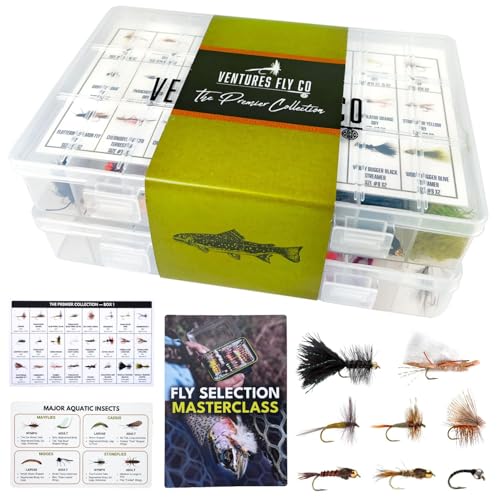
VENTURES FLY CO.
Ventures Fly Co. | 122 Premium Hand Tied Fly Fishing Flies Assortment | Two Fly Boxes Included | Dry, Wet, Nymphs, Streamers, Wooly Buggers, Terrestrials | Trout, Bass Lure Set, Kit, Gift
- PROFESSIONALLY PICKED ASSORTMENT - The most complete, rigorously tested, well-thought-out package on the market with our 100% high…
- FISH APPROVED FLIES - Get your hands on the “tried-and-true”, “fish-approved” flies that have fooled even the smartest of fish. Wh…
- MATCH THE HATCH - With the absolute beginner fly fisherman in mind, we’ve made this assortment super user friendly by providing ea…
ClackaCraft has been building fiberglass drift boats in Oregon since the 1960s, and their reputation rests on one thing: rowing performance. Their hulls track straight through riffles, spin on a dime in tight corners, and handle whitewater better than almost anything else on the market. If you’re guiding clients or fishing big Western rivers like the Deschutes or the Rogue, this is the benchmark.
What sets ClackaCraft apart is the hull design. The deep-V entry cuts through waves instead of slapping over them, and the rockered bottom lets you pivot around boulders with a single oar stroke. Their frames are welded aluminum with adjustable foot braces and oar towers that suit tall and short rowers alike. The casting platforms are wide and stable, which matters when two anglers are standing and fighting fish at the same time.
The trade-off is weight and price. A fully rigged ClackaCraft runs heavy — plan on a sturdy trailer and a vehicle that can tow it. They’re also the most expensive option in most comparisons. But for serious river anglers, the rowing dynamics justify the cost. You feel the difference the first time you back-row into a seam and hold position without constant correction.
- Hull material: hand-laid fiberglass with gelcoat finish
- Frame: welded aluminum with adjustable oar towers
- Anchor system: quick-release mount with foot pedal deployment
- Length options: 14 to 16 feet, with beam widths up to 66 inches
- Accessories: rod holders, cargo straps, and custom paint options
Best for: Guides and serious anglers who want the best rowing boat on the market and don’t mind paying for it.
Hyde Drift Boats

Jackall
JACKALL Drift Fly 4.0 Sweet Fish
- Live core manufacturing method : By adopting a two-layer structure in which the core part and the main body part are molded separa…
- Guide Hall & Nail Sinker Hall : Equipped as standard with a guide hole for accurate jig head setting and a sinker hole for inserti…
- FECO certified product : Feco certified item that can be used in JB/NBC tournaments.
Hyde boats have been around since the 1970s, and they’ve carved out a niche as the practical choice for anglers who want a solid boat without the premium price tag. Their fiberglass models row well, but the real value shows in their aluminum hulls, which take a beating on rocky rivers and shrug off impacts that would crack fiberglass.
The aluminum construction makes Hyde boats heavier than comparable fiberglass models, but that weight translates to stability in fast water. They sit low and track predictably, which is reassuring when you’re running a technical canyon with a friend in the bow. The frames are simple and functional — no frills, just solid welds and reliable hardware. For anglers who fish a mix of small creeks and medium rivers, a Hyde handles both without complaint.
Where Hyde falls short is finesse. The hulls don’t carve as smoothly as a ClackaCraft, and the heavier weight makes them harder to row upstream for long stretches. They also sit higher in the water, which catches wind on exposed lakes or wide flats. But if you’re buying your first boat or fishing rocky rivers where dings are inevitable, Hyde offers the best durability per dollar.
- Hull material: fiberglass or welded aluminum options
- Frame: powder-coated steel or aluminum, depending on model
- Anchor system: standard quick-release with bow mount
- Length options: 12 to 16 feet, with beam widths up to 60 inches
- Accessories: cooler racks, oar holders, and casting platform inserts
Best for: Budget-minded anglers who need a tough, reliable boat for rocky rivers and don’t need premium rowing performance.
Willie Drift Boats
Willie boats are the lightest full-size drift boats you’ll find, and that’s their superpower. A solo angler can launch and retrieve one without a ramp crew, and the shallow draft lets you float skinny water that would ground heavier boats. If you fish small creeks, spring creeks, or low-water summer rivers, a Willie gets you places other boats can’t.
The hull is fiberglass but laid up thin to save weight. That makes the boat nimble and responsive — you can spin it with a single oar stroke and slide into tight eddies with confidence. The frames are minimalist, which keeps weight down but also means fewer places to strap gear. For a day trip with a backpack and a rod tube, that’s fine. For a multi-day float with camping gear, you’ll wish you had more storage.
The trade-off is durability. Thin fiberglass dings and cracks more easily on sharp rocks, and the lightweight construction flexes more in heavy water. Willie boats are best suited to experienced rowers who pick clean lines and avoid bouncing off boulders. Beginners might find the learning curve steeper than in a heavier, more forgiving hull.
- Hull material: lightweight fiberglass layup
- Frame: aluminum with minimal storage options
- Anchor system: manual pull-release, bow mounted
- Length options: 12 to 14 feet, with beams around 54 inches
- Accessories: lightweight oars, rod holders, and removable seat pads
Best for: Solo anglers who fish small rivers and want a boat they can manhandle without a trailer or a second person.
How We Chose These Products
We evaluated drift boats based on rowing dynamics, hull material, weight, and real-world use cases. Rowing performance came first — a boat that doesn’t track straight or turn predictably is dangerous, not just annoying. We prioritized brands with decades of river experience and a track record of customer satisfaction among guides and serious amateurs.
We also factored in price ranges and durability. A boat that costs half as much but needs hull repairs every season isn’t a bargain. We balanced material trade-offs — fiberglass rows better, aluminum survives more abuse — and matched each boat to a specific angler profile. The result is a shortlist that covers solo anglers, budget buyers, and guides who need a workhorse.
Buying Guide: What Really Matters
Boat length and width drive everything. A 14-foot boat with a narrow beam is nimble but tipsy when two anglers stand up to cast. A 16-footer with a wide beam is stable and carries gear, but it’s heavier and harder to row in tight creeks. Match the boat to the rivers you fish most, not the ones you dream about. Big Western rivers reward longer, wider hulls; small freestone streams need something shorter and lighter.
Hull material is the next big decision. Fiberglass flexes over rocks and absorbs impact without denting, but it cracks on sharp edges. Aluminum dents and scratches but rarely fails catastrophically. Both require maintenance — gelcoat needs waxing, aluminum needs corrosion checks on the welds. Think about your local river conditions and how much abuse the boat will take.
Finally, consider the frame and anchor system. A good frame fits your body — adjustable foot braces and oar towers make a huge difference on long days. Quick-release anchor systems are non-negotiable for safety; you need to drop anchor instantly in fast water. Budget for these upgrades if they don’t come standard.
Our Top Recommendation
For most anglers, a ClackaCraft is the best investment. The rowing performance is unmatched, the hull handles everything from riffles to class III rapids, and the resale value holds strong. If you’re guiding or fishing big water, it’s worth every penny.
For budget buyers, a Hyde offers the best durability per dollar, especially in aluminum. For solo anglers on small rivers, a Willie is the lightest, most maneuverable option. Each boat serves a different angler, but the ClackaCraft is the one we’d choose if we could only own a single boat.
Essential Gear and Safety Equipment
Every drift boat needs a quick-release anchor system. This isn’t optional — in fast current, a stuck anchor can flip the boat. The release should be within arm’s reach of the rower and easy to trigger even with gloves on. Test it before every trip.
Personal flotation devices are mandatory, and not just for the rower. Guests should wear PFDs too, especially in cold water or technical rapids. A throw bag with 50 feet of rope lets you rescue a swimmer without leaving the boat. Keep it clipped to the frame, not buried in a dry bag.
Other essentials include a first-aid kit, a river knife (for cutting anchor rope in an emergency), and a whistle or air horn. A spare oar is smart on remote rivers — one broken oar ends the trip. And a dry box for your phone and keys is cheap insurance.
New vs. Used vs. DIY Kits: A Real Cost Breakdown
New drift boats from top brands run from several thousand dollars to well over ten grand, depending on length, material, and frame options. That price includes a warranty and a hull that’s never been bounced off a rock. For anglers who plan to own the boat for a decade, new often makes sense.
Used boats cost significantly less, but the savings come with risk. Hull cracks, frame corrosion, and worn oar locks are common issues. A thorough inspection before purchase can save you thousands in repairs. Check the hull for spider cracks and delamination, inspect the frame welds for rust, and test the anchor system. If the boat has been stored outside, the gelcoat may be faded but structurally sound.
DIY kits are the cheapest route, but they require serious woodworking or fiberglass skills. A kit boat can save 30 to 50 percent off retail if you build it yourself, but the time investment is significant. Most anglers are better off buying used and budgeting for repairs than building from scratch.
Pre-Purchase Inspection Checklist for Used Drift Boats
Walk around the hull and look for cracks, especially near the chines and where the floor meets the sides. Spider cracks in the gelcoat are cosmetic, but deep cracks that flex when you push on them indicate structural damage. Tap the hull with a plastic mallet — a dull thud means delamination, a sharp ring means solid fiberglass.
Inspect the frame for corrosion, especially at the welds and where the frame bolts to the hull. Surface rust is fine, but pitting or flaking means the metal is compromised. Check the oar locks and towers for play — worn locks make rowing sloppy and are expensive to replace. Test the anchor system by pulling the release handle; it should pop free instantly.
Finally, check the trailer if one is included. Bearings, tires, and lights are common failure points. A boat that looks great on the driveway can be useless if the trailer won’t make it to the river.
Final Verdict: Matching the Boat to Your River and Style
Your choice comes down to three questions. How big are the rivers you fish? How much weight can you tow and launch? And are you a solo angler or a guide? A ClackaCraft suits big water and guiding. A Hyde fits budget buyers on rocky rivers. A Willie is the solo angler’s dream on small creeks.
Don’t overthink the accessories. Start with a solid anchor system, PFDs, and a spare oar. Add rod holders and a cooler rack as you figure out your routine. The boat is the foundation — everything else is refinement.
Frequently Asked Questions
What size drift boat do I need?
For solo fishing on small creeks, a 12- to 13-foot boat is plenty. For two anglers on medium rivers, go with 14 feet. Guides and anglers on big Western rivers should choose 15 to 16 feet with a wide beam for stability.
How much does a used drift boat cost?
Prices vary wildly by brand, age, and condition. A well-maintained used boat from a top brand can cost half of what a new one runs. Expect to pay more for boats with newer frames and anchor systems, and budget an extra 10 percent for repairs.
Is fiberglass or aluminum better for river fishing?
Fiberglass rows smoother and flexes over rocks, but it cracks on sharp impacts. Aluminum dents but rarely fails, and it’s heavier. Choose fiberglass for performance and aluminum for durability.
What safety gear is required on a drift boat?
At minimum, a PFD for every person, a quick-release anchor system, and a throw bag. A river knife, whistle, and first-aid kit are strongly recommended. Check local regulations for specific requirements.