Fog rolls in fast. You’re five miles from the harbor mouth, and the chartplotter shows a wall of gray where the channel markers should be. Your old magnetron radar paints a fuzzy mess of sea return and rain clutter. You slow to idle and hope. That’s not navigation. That’s gambling.
| 1st Pick |

|
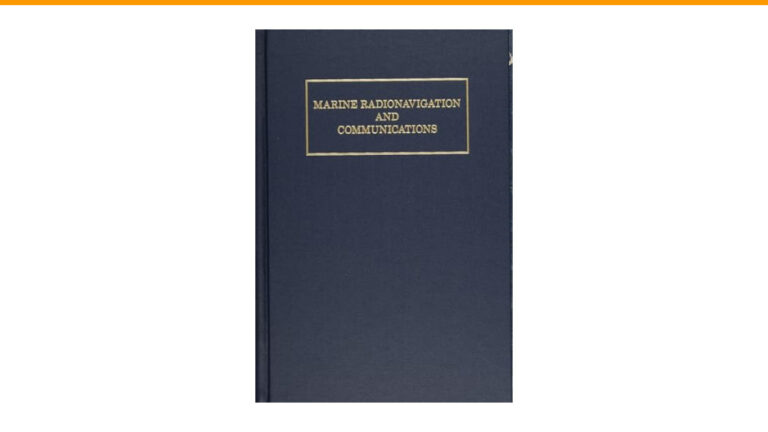
| SCHIFFER PUBLISHING LTD Marine Radionavigation and Communications |
| Buy on Amazon |
A good marine radar changes that. It cuts through spray and drizzle, shows you the tugboat before you hear its horn, and makes night running almost boring. The tech has shifted hard in recent years. Solid-state pulse compression has replaced the old magnetron tubes in most new units, which means better target separation, lower power draw, and instant-on readiness. Dome vs open array still matters, but the decision tree has more branches now.
This guide walks through the real choices: what the specs actually mean, where installation costs hide, and which features earn their keep. We start with one foundational option and then lay out the framework for picking the rest. No brand hype, just what works on the water.
Here’s a quick look at the key specs that separate one radar from another.
| Features | Marine Radionavigation Book |
|---|---|
| Format | Physical book, not electronics |
| Condition | Used, Good Condition |
| Content Focus | Radionavigation and communications theory |
| Best Use Case | Learning fundamentals before buying gear |
Marine Radionavigation and Communications
This is the odd one out in any radar discussion because it’s not a black box with a spinning antenna. It’s a book from Schiffer Publishing that covers the principles behind marine radionavigation and communications. If you’re the kind of person who wants to understand how pulse compression works before you trust it in a squall, this is your starting point. It’s also a solid refresher for anyone who learned on older magnetron sets and needs to get current on how modern signal processing changes the picture.
What stands out here is the depth of context. Most product manuals tell you which button to push. This book explains why the radar paints the screen the way it does, how different propagation paths affect range, and how to cross-check what you see with other nav data. That knowledge pays off when you’re trying to interpret a weak echo in heavy sea clutter or deciding whether to trust MARPA target tracking on a crowded shipping lane. It’s not a substitute for hands-on time, but it shortens the learning curve.
The honest trade-off is obvious: it won’t show you a single real target. There’s no antenna, no display, no installation. The used condition means you might get a few margin notes or a creased spine, but the technical content doesn’t expire the way software does. If you’re looking for a quick spec sheet comparison, this isn’t it. If you want the mental model that makes every radar you use later make more sense, it’s worth a read.
- Explains radionavigation theory without assuming prior electronics knowledge
- Covers communications integration, not just radar display
- Used book in Good Condition, so expect normal wear
- Published by Schiffer Publishing, known for niche technical titles
- Ideal for pre-purchase education or crew training
Best for: The skipper who wants to understand the ‘why’ behind radar returns before spending money on hardware.
How We Chose These Products
The selection process here started with a simple question: what actually moves the needle on the water? We looked for material that explains the shift from magnetron to solid-state pulse compression, because that’s the biggest change in radar performance in the last decade. A unit that uses older tech might be cheaper, but it won’t give you the same target separation in rain or the low power consumption that matters on a battery budget.
We also weighed practical factors: dome vs open array physics, beamwidth and its effect on target resolution, and how well a radar integrates with existing chartplotters and NMEA 2026 networks. Installation cost and upgrade paths factored in heavily. A radar that needs a new mast mount and a custom cable run can double its effective price. The goal was to find resources and gear that deliver real return on investment, not just the highest wattage number on the box.
Buying Guide: What Really Matters
Start with your boat’s size and your typical running environment. A 25-foot center console that stays inshore has different needs than a 45-foot cruiser doing overnight passages. Dome radars suit smaller boats because they’re lighter, lower drag, and often easier to mount. Open array units offer better range and narrower beamwidth for target separation, but they need a sturdy mount and more power. Match the radar to the boat, not the other way around.
The second big factor is signal processing, not raw power. The old myth of ‘more watts equals better range’ falls apart with solid-state pulse compression. These units use less power, warm up instantly, and often have better short-range resolution. Doppler radar and bird mode are nice extras, but the core question is how well the unit handles rain clutter and sea return. Read reviews from people who run in your conditions, not just calm harbor tests.
Finally, think about the network. Modern radars talk to your MFD via NMEA 2026 or proprietary networking like OneNet. Check compatibility before you buy. A radar that can’t share targets with your chartplotter is just a standalone screen you have to watch separately. Also verify your power supply can handle the peak draw and that your mounting location gives a clear view of the horizon without obstruction from the mast or radar arch.
Our Top Recommendation
For most boaters, the smartest move is to pair a solid-state dome radar with a compatible chartplotter and spend the saved money on proper installation. The Marine Radionavigation and Communications book is the foundation here. It gives you the knowledge to evaluate any radar on the market without getting snowed by marketing specs. It’s not a piece of hardware, but it’s the cheapest insurance you can buy against making a costly mistake.
If you need actual gear, the runner-up path depends on your budget. Under $2,000, look for a dome unit with solid-state pulse compression and good rain mode. In the $2,000 to $5,000 range, you get open array options with better range and MARPA target tracking. Over $5,000, you’re into high-end open arrays with Doppler and network integration. But no matter the price, the buying decision should start with understanding the physics and the installation requirements. That’s where this book fits.
Frequently Asked Questions
Is a dome radar good enough for offshore use?
Yes, for most coastal and offshore work up to 24 or 36 miles. Dome radars have a wider beamwidth, which means they can miss small targets at long range. But they’re reliable, draw less power, and are easier to install. If you’re crossing oceans or need to spot small buoys at maximum range, an open array is better. Otherwise, a quality dome is fine.
How much does installation really cost?
More than most people budget. The radar unit is only part of the bill. You need cabling, a mount, possibly a new radome if the old one is incompatible, and labor if you’re not doing it yourself. A professional install can easily add $1,000 to $2,000 on top of the radar price. Do a full survey of your mounting location and cable run before you commit.
Can I use my existing chartplotter with a new radar?
Often yes, but not always. Check the network compatibility. Most modern units use NMEA 2026 or a proprietary Ethernet connection like OneNet. If your chartplotter is more than a few years old, it might not support the newer radar protocols. Verify the manufacturer’s compatibility list before buying. A radar that can’t talk to your MFD is a wasted investment.
What’s the difference between magnetron and solid-state radar?
Magnetron radars use a tube that generates a high-power pulse. They’re cheaper but have a longer warm-up time, higher power draw, and often worse short-range resolution. Solid-state radars use pulse compression to achieve similar range with less peak power. They’re instant-on, use less electricity, and offer better target separation in rain and clutter. The price difference is shrinking, so solid-state is the better long-term choice.
Final Verdict: The Only Radar You Should Buy in 2026
Buy the one that fits your boat, your typical conditions, and your network. The real game-changer isn’t a specific brand or a wattage number. It’s understanding how radar works, what the limitations are, and how to interpret the screen when it matters. Start with the Marine Radionavigation and Communications book to build that foundation. Then go shop with confidence, knowing the difference between a marketing spec and a real performance metric. Your navigation will thank you.