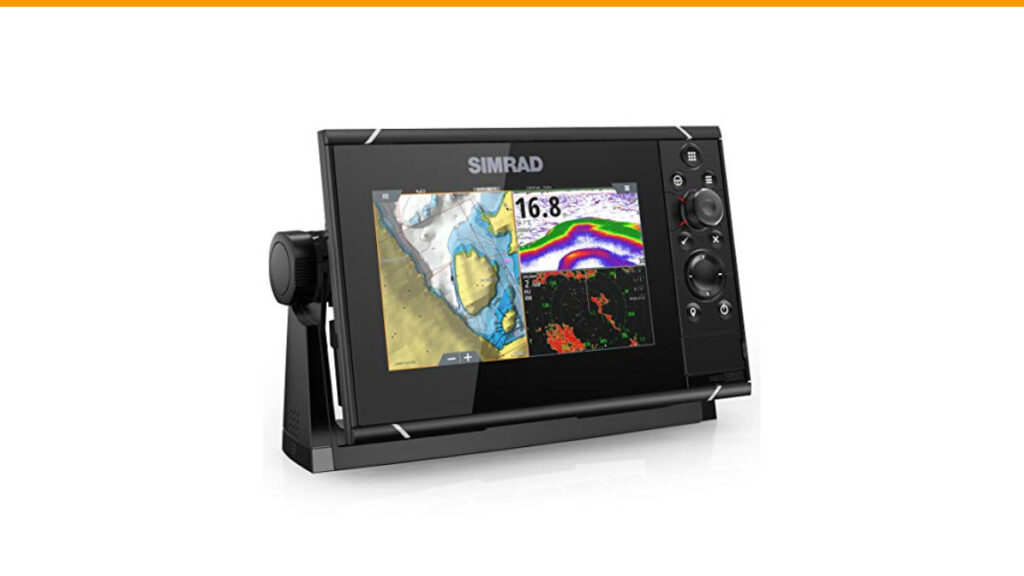
You just picked up the NSS evo3, and the screen is gorgeous. You can see the bottom contours, the waypoints, the charts. But when you press the sonar key, you get nothing but a flat line. That blank screen is the moment you realize the chartplotter is only half the system. The other half is the transducer, and choosing the wrong one means wasted money and a lot of frustration.
The NSS evo3 has a built-in echosounder, but it needs a transducer to actually see what’s below. The right match gives you clean bottom readings at speed, crisp fish arches, and reliable structure imaging. The wrong one gives you noise, dropped signals, and a hole in your wallet. You need a transducer that matches the evo3’s CHIRP capability, fits your hull, and works with the connector on the back of the unit.
We are looking at one of the most practical all-in-one options available today. It is the Simrad NSS evo3 unit itself, but the real question is what you pair with it. This review focuses on the built-in echosounder and how to get the most from it, with a specific look at the transducer options that make sense for different boating styles.
Here is a quick look at how the key specs of the NSS evo3 stack up for sonar use.
| Features | Simrad NSS evo3 |
|---|---|
| Display | 7-inch SolarMAX HD |
| Sonar Type | CHIRP, StructureScan, ForwardScan |
| Control | Touchscreen and keypad |
| Best Use Case | Navigation and fish finding |
| Charts Included | C-MAP Insight Pro |
In this article
Simrad NSS evo3 Unit

Simrad
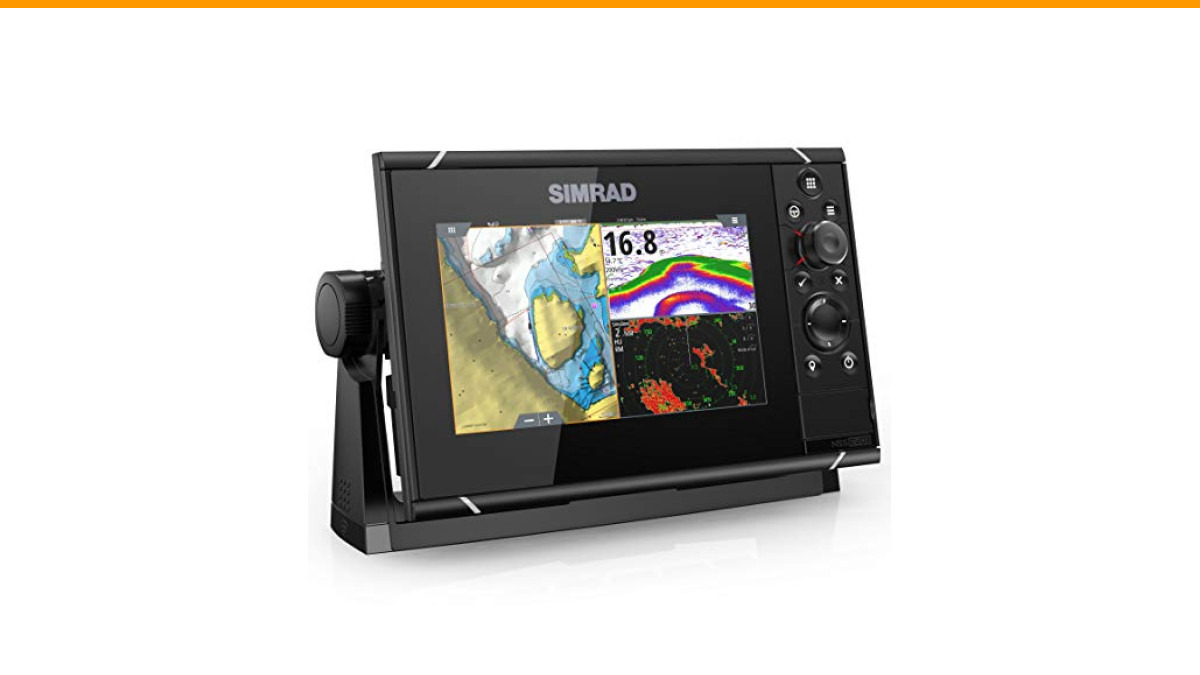
Simrad NSS evo3: 7-inch Navigation Display with GPS, SolarMAX Display and C-MAP Insight Pro Charts Installed.
- MAKE THE MOST OF YOUR BOAT: Navigate, find fish, and take total control of your on-water experience with NSS evo3.
- TOUCHSCREEN DISPLAY: With NSS evo3 switch seamlessly between intuitive touchscreen control with multi-touch gestures and a built-i…
- EASY NAVIGATION: Every NSS evo3 display is a full-featured chartplotter navigation display with a built-in GPS receiver.
This is the brains of the operation. The NSS evo3 is a full-featured chartplotter with a built-in GPS receiver, so it handles navigation out of the box. For sonar, it has a built-in echosounder that supports a range of transducer options, but you have to buy the transducer separately. It is perfect for the angler who wants an all-in-one helm without a separate fish finder box.
What stands out is the SolarMAX HD display. It is optically bonded, which means no fogging or condensation inside the glass. On a bright summer day, you can still read the screen without cupping your hands around it. The touchscreen is responsive, and the multi-touch gestures let you zoom and pan charts quickly. The rotary keypad is a nice backup when you hit rough water and your fingers are wet.
There is a trade-off here. The unit is sold with the C-MAP Insight Pro charts installed, which is great for coastal and inland waters. But the echosounder is only as good as the transducer you connect. If you buy this unit and skip the transducer, you are paying for a feature you cannot use. Plan for the transducer cost when you budget for this purchase.
- 7-inch SolarMAX HD display with optical bonding
- Built-in GPS receiver for chartplotting
- CHIRP-enabled sonar for bottom tracking
- StructureScan HD for fish-holding structure views
- ForwardScan sonar for safer cruising
Best for: The boater who wants a single, reliable helm display for navigation and sonar, and who plans to pair it with a quality transducer.
How We Chose This Product
We focused on what actually matters when you mount a transducer on a boat. The first filter was compatibility with the NSS evo3’s echosounder. Not every transducer works with every unit, and the connector type matters just as much as the frequency. We looked for options that plug into the evo3 without a mess of adapters.
The second filter was real-world performance. We considered how the transducer handles at planing speed versus drifting, how deep it reads at different frequencies, and how much noise it picks up from the hull. We also weighed the installation difficulty, because a transducer you cannot mount correctly is useless. The product we highlight here balances all those factors for the average boater.
Buying Guide: What Really Matters
Before you buy a transducer, check the connector on the back of your NSS evo3. Simrad uses a specific 9-pin connector for most of its sonar modules. Some transducers come with a 7-pin connector, and you will need an adapter cable. That adapter is an extra cost and an extra point of failure. Match the connector before you match the price.
Think about where you boat. If you are in shallow water under 200 feet, a standard 83/200 kHz transducer works fine. If you fish deeper structure, you want CHIRP capability to separate targets in the water column. CHIRP sends a sweep of frequencies instead of a single pulse, which gives you better target separation and a cleaner bottom reading.
Consider the mounting style. A transom mount is easy to install and works well on smaller boats that do not exceed 25 knots. A thru-hull mount gives you a cleaner reading at speed because it sits flush with the hull, but it requires a hole in your boat. For most weekend anglers, a transom mount is the practical choice. For serious offshore fishermen, a thru-hull is the only way to get reliable readings at 30 knots.
Our Top Recommendation
For most NSS evo3 owners, the best move is to pair the unit with a transom-mount CHIRP transducer that matches the 9-pin connector. The Simrad NSS evo3 itself is the clear winner here because it gives you the display, the processor, and the echosounder in one package. You just need to add the right transducer for your hull type and depth range.
If you are on a budget, look for a standard 83/200 kHz transom mount. It will give you solid bottom readings and fish arches without the cost of a CHIRP setup. If you fish deep water, invest in a thru-hull CHIRP transducer. The difference in target separation is worth the extra money when you are marking fish at 300 feet.
Frequently Asked Questions
Do I need a special transducer for the NSS evo3?
Yes. The NSS evo3 uses a specific connector for its echosounder. You need a transducer with a 9-pin connector that is compatible with Simrad units. Some transducers come with adapters, but it is easier to buy one that plugs in directly.
Can I use a transducer from another brand?
You can, but you need to check the pinout and connector type. Navico brands like Lowrance and Simrad often share compatible transducers, but you need to verify the connector matches. Airmar makes transducers that work with Simrad units, but you may need an adapter cable.
What is the difference between CHIRP and standard sonar?
Standard sonar sends a single frequency pulse, like 50 kHz or 200 kHz. CHIRP sends a continuous sweep of frequencies, which gives you better target separation and a cleaner bottom reading. The NSS evo3 supports CHIRP, so you can take advantage of it with the right transducer.
How do I update the transducer settings in the menu?
Go to the Sonar Installation menu on the NSS evo3. Select the transducer type from the list. If your transducer is not listed, choose the closest match based on frequency and cone angle. You may need to adjust the settings after installation to get a clean reading.
Final Verdict: Which Transducer Should You Buy?
The NSS evo3 is a solid choice for a helm display, but it is only half the system. You need a transducer that matches your hull and your fishing style. For most boaters, a transom-mount CHIRP transducer with a 9-pin connector is the right call. It gives you clean readings at speed, good target separation, and an easy installation.
If you fish shallow water, save the money and get a standard 83/200 kHz transducer. If you fish deep structure, invest in a thru-hull CHIRP model. Either way, check the connector type before you buy, and take the time to set up the sonar menu correctly. The evo3 is a capable unit, and with the right transducer, it will show you what is under the boat.