You’ve got your rods rigged, the tackle box is packed, and the boat is fueled. The lake looks calm under that early morning light. But lakes change fast, and most anglers don’t think about the real risks until something goes sideways. Drowning, lightning strikes, and hypothermia are the three biggest killers on freshwater, and they all happen in the blink of an eye.
This guide isn’t a generic list of gear recommendations. It’s a risk mitigation checklist built around the most common fatal accidents on lakes. You’ll learn the specific protocols that keep you alive, not just comfortable. We’ll cover the 30/30 lightning rule, how to re-board a capsized boat in under 60 seconds, and the exact string-pull method for removing a hook from your hand. No fluff, just the stuff that matters.

Smaky
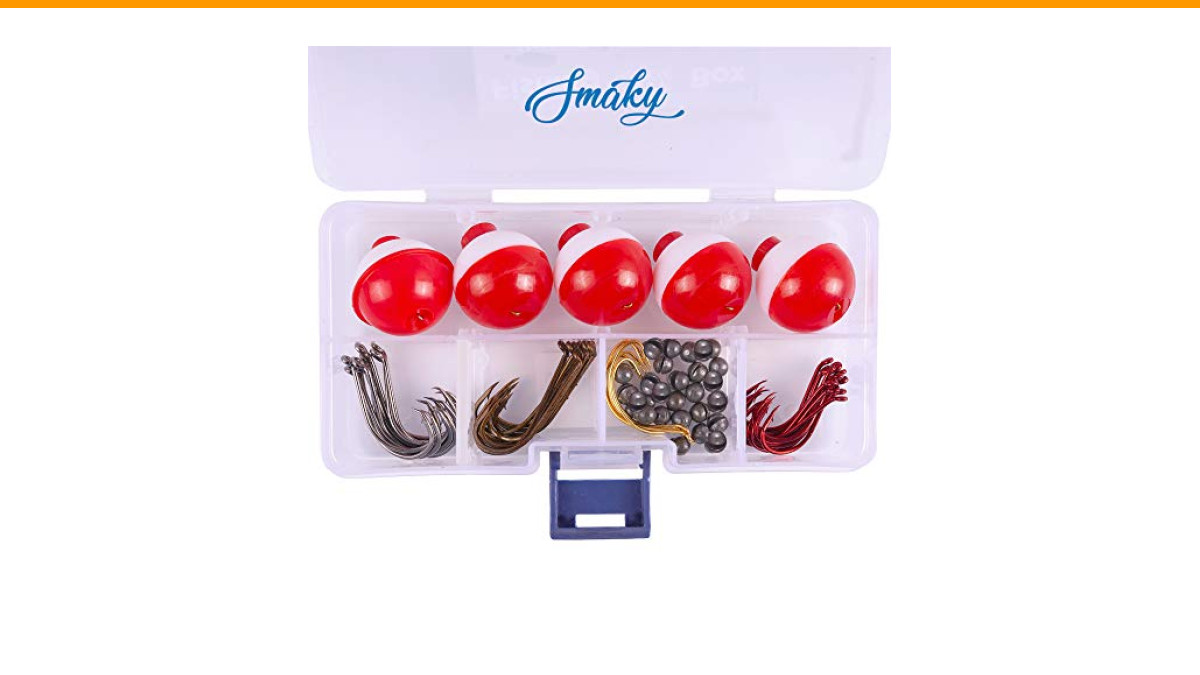
Smaky Fishing Hooks Bobbers - Tackle Kit, 80 Pcs
- Handy Fishing Tackle Box: Variety of 80 fishing gear enclosed in a 13.7x6.7x2.6cm plastic box with 8 grids, keeps tools organized;…
- Ultra Quality Material: High grade carbon steel fishing hooks and sinkers show strong resistance towards corrosion; Durable fishin…
- Compatible with Multiple Baits: Kit includes fishing accessories that work with live and artificial baits; Long shank and multiple…
You’ll also want to keep your tackle organized so you’re not fumbling for a pliers when you need it. A kit like the Smaky Fishing Hooks Bobbers Tackle Kit packs 80 pieces of hooks, bobbers, and sinkers into a compact 13.7×6.7×2.6cm box with 8 grids. It keeps everything sorted, so you can grab what you need without digging through a mess.
Pre-Trip Risk Assessment: Weather, Water, and Itinerary
Most lake accidents share one thing: nobody checked the forecast before heading out. A 10-minute check can keep you off the water when conditions turn dangerous.
Start with the marine forecast, not just the general weather app. Look for wind speed, wave height, and thunderstorm probability. Wind over 15 mph on a large lake creates chop that can swamp a small boat. Wave heights above 2 feet are a real hazard for vessels under 16 feet.
Water temperature matters more than air temperature. Cold water below 60°F is a killer. If you fall in, cold water shock hits in the first minute, and you lose the ability to swim within 10 minutes. Hypothermia sets in fast. Check the water temp before you go, and dress for the water, not the air.
File a float plan. Tell someone where you’re launching, where you’re fishing, and when you’ll be back. Text a friend or family member a photo of your boat and your planned route. If you don’t show up, they’ll know where to send help. This one step costs 60 seconds and can cut search time dramatically.
Reading the Sky and Water
Clouds building vertically with flat tops mean thunderstorms are forming. Darkening water on the horizon means wind is coming. If the lake suddenly goes glassy and quiet, that’s often the calm before a storm, not a good sign.
Check the barometer trend if you have one. Rapidly falling pressure usually precedes strong storms. Many anglers ignore this, but a 0.1-inch drop in 3 hours is a solid warning to head for shore.
Essential Safety Gear: PFDs, Communication, and First Aid
Your life jacket is the single most important piece of gear on the boat. Not the one in the storage compartment, the one you’re wearing. Statistics show that most drowning victims had a PFD on board but weren’t wearing it.
Choosing the Right PFD for Lake Conditions
Inflatable PFDs are comfortable and popular, but they require a CO2 cartridge that must be inspected regularly. Check the cartridge for corrosion and the cylinder for proper seating before every trip. If the cartridge is expired or the inflator is jammed, it won’t deploy when you need it.
Foam PFDs are more durable and always work, but they’re bulky. For warm weather fishing, a high-back foam vest allows you to wear it with a boat seat. For cold water, pick a PFD with more buoyancy, since you’ll be wearing heavier clothes.
Whatever you choose, make sure it fits snugly. A loose PFD rides up over your head when you hit the water. Test it in shallow water once a year. If it doesn’t keep your chin above water, replace it.
Beyond the PFD, carry a whistle attached to the vest. A whistle carries much farther than your voice and requires no energy. A waterproof VHF radio or a personal locator beacon is worth the weight. Cell phones die, and coverage on lakes is spotty at best.
A first aid kit is non-negotiable. Include a trauma dressing, antiseptic wipes, medical tape, and a pair of hemostats. You’ll use the hemostats for hook removal more than anything else.
Boat and Wading Safety Protocols
Small boats capsize for three reasons: sudden weight shifts, waves hitting the beam, and overloading. All three are preventable.
Keep your center of gravity low. Don’t stand up in a small boat unless absolutely necessary. If you must move, stay low and hold onto the gunwale. Distribute weight evenly, and don’t overload the boat beyond its rated capacity. That capacity plate is on the transom for a reason.
When a wave hits, turn the bow into it. Taking a wave on the side can roll a small boat. If you’re anchored and waves pick up, pull the anchor and reposition.
Wading anglers have their own risks. Slippery rocks and sudden drop-offs are common. Wear a wading belt to keep water out of your waders. If you fall, the belt traps air and helps you float. Without it, water fills the waders and drags you down.
Man-Overboard and Capsize Recovery Steps
Someone falls in. Your first reaction matters more than anything. Shout ‘Man overboard!’ and point at the person. Never take your eyes off them.
If you’re the one in the water, your first 60 seconds are critical. Don’t panic. Get your breathing under control. Cold water shock will make you gasp, so keep your mouth closed and focus on slow breaths. Then, get as much of your body out of the water as possible. Water conducts heat 25 times faster than air, so the less of you submerged, the better.
To re-board a capsized boat, swim to the stern. Place both hands on the gunwale, kick your legs to get momentum, and roll over the side. If the boat is full of water, it will be unstable. Use a ladder if you have one. If you can’t get back in, stay with the boat. A capsized boat is easier for rescuers to spot than a head bobbing in the water.
If you’re on the boat and someone else is in the water, throw a floating cushion or a throw bag. Aim past them so the line lands within reach. A throw bag with 50 feet of line is standard. Practice throwing it once a season, it’s harder than it looks.
Tackle and Hook Injury Prevention
Hooks are sharp, and treble hooks are worse. They’re designed to stick into fish mouths, and they’ll stick into your hand just as easily. Most hook injuries happen during casting or when unhooking a thrashing fish.
Pinch down the barbs on your hooks if you’re fishing for catch-and-release. Barbless hooks are easier to remove and cause less tissue damage. They also make hook removal from your own skin much simpler.
Keep your hooks covered when not in use. A hook guard or a piece of cork over the point prevents accidental sticks when you’re reaching into a tackle box. And never leave a rod unattended with a baited hook. A fish can strike and pull the rod into the water, or worse, swing the hook into someone’s face.
Safe Hook Removal Techniques
If a hook embeds in your skin, don’t yank it out backwards. The barb will tear the flesh. Instead, use the string-pull method.
Cut a 12-inch piece of fishing line or paracord. Loop one end around the bend of the hook. Press down on the hook eye to disengage the barb. Then, give the line a sharp, quick jerk in the direction opposite to the hook’s entry. The hook should pop out cleanly. This works best on hooks that aren’t buried too deep.
For deeper hooks, or hooks in the eye, face, or joint, go to urgent care. Don’t try to remove those yourself. You could hit a tendon or nerve. A doctor can numb the area and remove it safely.
After any hook injury, clean the wound thoroughly with antiseptic and cover it with a bandage. Freshwater lakes harbor bacteria like Aeromonas, which can cause serious infections. Watch for redness, swelling, or heat around the wound over the next few days.
Environmental and Wildlife Hazards: Lightning, Heat, and Critters
Lightning is the most underrated danger on a lake. You’re the tallest object on flat water, and a boat’s mast or fishing rod makes it worse. The 30/30 rule is your protocol: if the time between a lightning flash and the thunder is less than 30 seconds, get off the water immediately. Stay off for 30 minutes after the last thunderclap.
Don’t wait for rain. Lightning can strike 10 miles away from the storm cell. If you see dark clouds building, head for shore. If you’re caught in a storm on the boat, get low in the center of the vessel, away from metal objects. Drop your fishing rods.
Heat is the opposite problem in summer. Heat exhaustion and heatstroke are real risks on a shadeless lake. Wear a wide-brimmed hat and polarized sunglasses. Use SPF 50 sunscreen and reapply every two hours. Drink water constantly, not just when you’re thirsty. A good rule is one liter per hour of activity. Alcohol and caffeine dehydrate you, so save those for after you’re off the water.
Wildlife encounters are less common but worth knowing. Snakes may swim near shore, and snapping turtles can bite. Give them space. If you see a snake, don’t try to move it. Just fish elsewhere.
Handling the Catch: Fish Safety and Invasive Species Prevention
Wet your hands before handling a fish. Dry hands strip the protective slime coat, leaving the fish vulnerable to infection. Use a rubberized landing net instead of a knotted one, which can damage fins and eyes.
If you’re practicing catch-and-release, use circle hooks. They hook the fish in the corner of the mouth, reducing gut hooking. If a fish does swallow the hook, cut the line close to the mouth rather than pulling it out. The hook will dissolve or pass.
Invasive species are a serious problem on many lakes. Zebra mussels, Eurasian watermilfoil, and other hitchhikers spread from one water body to another on boats and gear. Before you leave the lake, inspect your boat, trailer, and waders for any plant material or small mussels. Remove everything you find and dispose of it in a trash can, not back in the water.
Drain all water from your livewell, bilge, and bait buckets before leaving the ramp. Rinse your gear with a high-pressure hose or, better yet, use a hot water wash if available. Let everything dry completely for at least 24 hours before your next trip. This simple routine stops the spread of invasive species.
Fishing Line Disposal and Environmental Responsibility
Monofilament fishing line takes about 600 years to decompose. It’s a death trap for birds, turtles, and fish that get entangled. Don’t throw it in the water or on the shore.
Collect all your used line in a small container or a dedicated line recycling tube. Many marinas and tackle shops have monofilament recycling bins. If yours doesn’t, mail it to a recycling program or seal it in a bag and put it in the trash. Never burn it, the fumes are toxic.
This isn’t just about being a good citizen. Tangled line on the water can foul your propeller or your anchor, creating a safety hazard in an emergency.
Emergency Response Plan and Communication
You need a plan before something goes wrong. Not a vague idea, a specific sequence of actions.
First, make sure someone on shore knows your plan. Give them your launch location, your fishing area, and your expected return time. Agree on a check-in time. If you don’t check in, they call the local sheriff or coast guard.
On the water, your first call should be to 911 or the marine channel 16 on a VHF radio. Give your location, the number of people on board, and a description of the emergency. If you have a GPS, give the coordinates. If not, use landmarks you can see from the water.
Keep a whistle and a signal mirror attached to your PFD. A whistle is louder than your voice and works when you’re out of breath. A signal mirror can flash sunlight to a distant boat or aircraft. Both cost under $10 and weigh nothing.
If someone is in the water and not breathing, start CPR immediately. Push hard and fast in the center of the chest, about 100-120 compressions per minute. Continue until help arrives. If you don’t know CPR, the 911 dispatcher can talk you through it.
Frequently Asked Questions
What is the best way to avoid lightning on a lake?
Check the forecast before you go and watch the sky constantly. Use the 30/30 rule: if you see lightning and hear thunder within 30 seconds, leave the water immediately. Stay off for 30 minutes after the last thunder you hear. Don’t wait for rain, lightning strikes well ahead of the storm.
How do I remove a fish hook from my finger?
Use the string-pull method. Loop a 12-inch piece of line around the bend of the hook, press down on the hook eye to disengage the barb, then give a sharp jerk in the direction opposite the entry point. If the hook is deep, in your eye, face, or near a joint, go to urgent care.
What should I do if my boat capsizes?
Stay with the boat. It’s much easier for rescuers to spot than a person in the water. Try to re-board at the stern by kicking your legs and rolling over the gunwale. If you can’t get back in, get as much of your body out of the water as possible. Don’t swim for shore unless it’s very close, you’ll exhaust yourself.
How cold does water have to be to cause hypothermia?
Water below 70°F can cause hypothermia over time, but below 60°F is critical. In 50°F water, you can lose dexterity in your hands within 5 minutes and become unconscious in about an hour. Always dress for the water temperature, not the air temperature.
Do I need a first aid kit on a fishing boat?
Yes, absolutely. A basic kit with antiseptic wipes, bandages, medical tape, and trauma dressing is essential. Add a pair of hemostats for hook removal. You’ll use it more than you think, and it could be the difference between a minor injury and a serious infection.
Your Pre-Launch Safety Checklist
You don’t need to memorize everything in this article. You just need to run through this list before you leave the dock.
- Check the marine forecast and water temperature. If storms are predicted, reschedule.
- File a float plan with a friend or family member. Include your route and return time.
- Wear your PFD. Not stowed, worn. Check the CO2 cartridge if it’s inflatable.
- Carry a whistle, signal mirror, and a fully charged phone or VHF radio.
- Pack a first aid kit with hemostats and antiseptic wipes.
- Inspect your boat for proper weight distribution and ensure the plug is in.
- Dispose of used fishing line properly and inspect your gear for invasive species before leaving the ramp.
Lakes are beautiful, but they demand respect. A few minutes of preparation can prevent the worst day of your life. Tight lines, and stay safe out there.