
The Lake Ecosystem: Why Lakes Are Different from Rivers
Lakes are not just wide rivers. They are closed systems with their own rules. Water temperature, oxygen levels, and food sources change with depth and season. In a river, current moves fish and bait constantly. In a lake, fish hold in specific spots for longer periods. Understanding this difference is the first step toward mastering lake fishing techniques.
Think about a lake’s layers. The top layer warms quickly in summer. The bottom stays cold and low in oxygen. Between them sits the thermocline, a thin band where oxygen and temperature are just right. Fish use this band like a highway. Knowing where it sits on any given day tells you where to cast.

SILANON
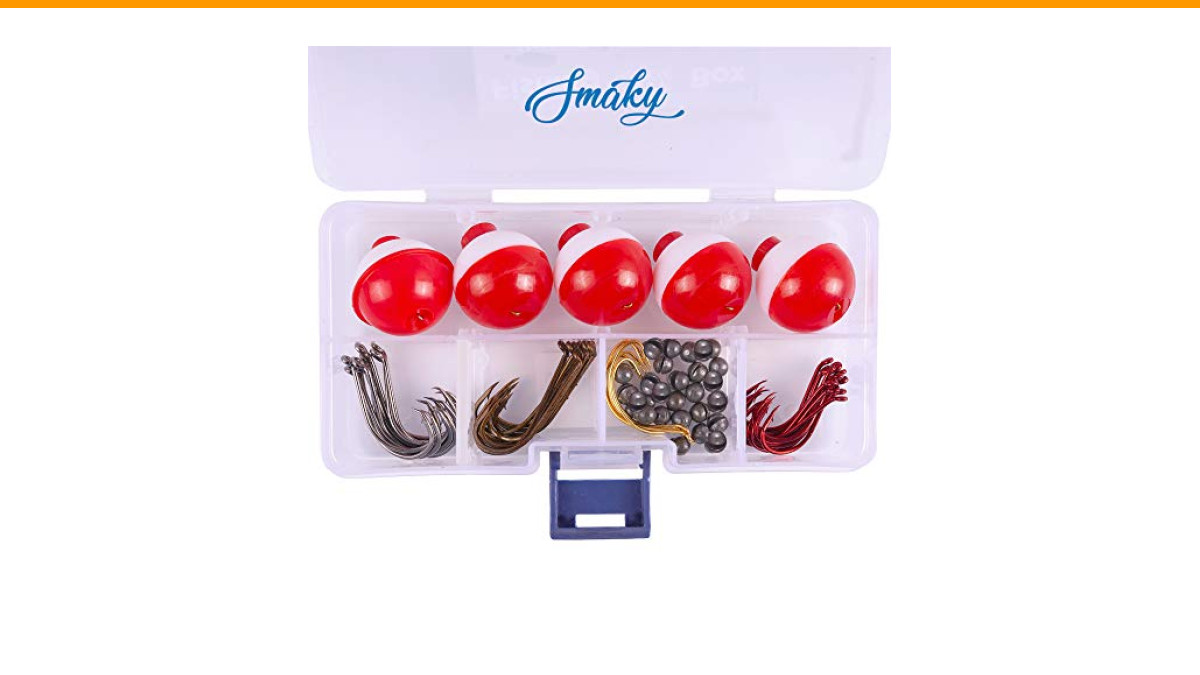
SILANON Catfish Rig Tackle Making Kit,135pcs Catfishing Tackle Accessories with Catfish Floats Catfish Hooks Swivels Fishing Rattles Bells Beads Bobber Stoppers Catfishing Gear Equipment
- CATFISH RIG MAKING KIT: 135pcs Catfishing tackle kit includes Catfish Rattling Line Float Catfish Rattling Line Float *5pcs,Peg fl…
- CATFISH PEG FLOATS: Peg floats are made of EVA material,lightweight and durable.The buoyancy provided by the catfish float keeps b…
- DOUBLE RATTLE BEADS: Fishing rattles have double stainless steel balls inside for making additional noise to your device, and catf…
Lakes also have a distinct personality based on how they were made. Natural lakes have irregular bottoms and lots of woody cover. Man-made reservoirs have flooded river channels, old roads, and standing timber. Each type demands a different approach. You don’t fish a clear mountain lake the same way you fish a muddy reservoir.
Essential Gear: The Right Rod, Reel, and Line for Lake Fishing
You can catch fish on any rod, but the right setup makes everything easier. For most lake fishing, a medium-heavy spinning rod around 7 feet long works well. It has enough backbone for bass and catfish, yet enough tip for casting light lures. Pair it with a 2500-size reel spooled with 10- to 15-pound braided line. Braid gives you sensitivity and strength without stretching.
For trolling or deep jigging, a baitcasting combo with a 7-foot heavy rod is better. Use 15- to 20-pound monofilament or fluorocarbon line. Fluorocarbon sinks, so it helps get lures deeper. Monofilament floats, which is good for topwater. Match your line to your technique, not the other way around.
Terminal tackle matters more than most anglers admit. Swivels, sinkers, hooks, and floats should be the right size for your target species. A good assortment saves trips to the tackle shop. The SILANON Catfish Rig Tackle Making Kit is a solid starting point. It includes 135 pieces: circle hooks, peg floats, rattle beads, sinker slides, barrel swivels, bobber stops, and beads. You can build a Santee rig, a Carolina rig, or a simple slip bobber setup without buying extra parts. The kit covers the basics for catfish and works for other species too.
Reading the Water: How to Locate Fish Using Structure and Cover
Fish are lazy. They want food and safety with minimal effort. Your job is to find the spots that give them both. Structure is the lake floor’s shape. Cover is anything on the bottom or in the water that hides fish. Both matter.
Identifying Key Lake Structures (Points, Drop-offs, Weed Lines)
Points are ridges of land that slope into the lake. They create a natural highway for fish moving between shallow and deep water. A point that drops off quickly into deeper water is a prime spot, especially in the morning and evening. Cast a crankbait or jig parallel to the point and work it down the slope.
Drop-offs are sudden changes in depth. Fish hold at the edge of a drop-off because they can ambush prey from above or below. Look for drop-offs near weed lines or rocky bottoms. A fish finder helps, but you can also read a lake map. Most lakes publish contour maps online. Study them before you go.
Weed lines are not just a mess of plants. They are living walls that fish use for cover. The edge of a weed bed, especially where it meets open water, is a feeding zone. In summer, weeds produce oxygen and attract baitfish. Work a weed line with a topwater lure or a soft plastic jerkbait. Keep your lure just above the weed tops.
Using a Fish Finder to Find the Thermocline
A fish finder shows more than fish. It shows water temperature and oxygen levels. The thermocline appears as a band on the screen where the water density changes. Fish often suspend right above it. In a deep lake, the thermocline might sit at 15 to 20 feet in summer. In a shallow lake, it may not exist at all.
To find the thermocline, look for a sudden change in the water column on your fish finder. You’ll see a line or a layer that looks different from the water above and below. Fish will show up as arcs near that line. If you don’t see fish, move to a different depth. The thermocline shifts with the season, so check it each time you go out.
Top 5 Proven Lake Fishing Techniques
These five techniques cover most lake scenarios. Each has a purpose. Learn them all, and you’ll have an answer for any condition.
Jigging for Deep-Water Bass
When bass go deep in summer or winter, jigging is the most reliable way to catch them. Use a 1/2-ounce football jig with a plastic trailer. Cast it out, let it sink to the bottom, then lift the rod tip sharply and let it fall back down. The key is to keep the line tight on the fall. Bass often hit as the jig drops.
Jigging works best in water 10 to 30 feet deep. Slow down your retrieve in cold water. In warm water, you can speed up slightly. The football head helps the jig stand upright on rocky bottoms, which reduces snags.
Drop Shotting for Finicky Fish
Drop shotting is a finesse technique for pressured fish. Tie a hook onto your line with a Palomar knot, leaving a long tag end. Attach a weight to the tag end. The hook sits above the bottom, and the bait hangs horizontally. This presentation looks natural, even to the most wary bass.
Use a 6- to 10-inch worm or a small creature bait. Cast it out and let it sit. Twitch the rod tip occasionally. The action is subtle, but that’s the point. Drop shotting shines in clear water and when fish are neutral. It’s also deadly for smallmouth bass on rocky points.
Trolling for Covering Water and Finding Active Fish
Trolling lets you cover a lot of water quickly. It’s ideal for finding active fish when you don’t know where they are. Use a crankbait that dives to the depth you want to fish. Let out enough line to get the lure down, then vary your boat speed. A good starting speed is 2 to 3 miles per hour.
Pay attention to your fish finder while trolling. When you mark fish, slow down and make a few casts in that area. Trolling is not just for big lakes. It works on small lakes too, as long as you stay in the deeper channels.
Crankbait Casting for Reaction Strikes
Crankbaits trigger reaction strikes. Fish hit them out of instinct, not hunger. Cast a crankbait along a rocky bank or a weed line, and retrieve it with a steady reel. The wobbling action and the diving lip make it look like an easy meal.
Match the crankbait’s diving depth to the water you’re fishing. A shallow crankbait runs 2 to 4 feet deep. A deep-diving model reaches 10 to 15 feet. Use a medium-heavy rod to rip the lure free from snags. Change the retrieve speed until you find what the fish want.
Topwater Fishing for Early Morning and Evening Action
Topwater lures are the most exciting way to catch bass. The strike is explosive. Use a popper or a walking bait in low-light conditions. Cast near cover, let the ripples settle, then twitch the rod tip to make the lure pop and sputter. Pause between twitches. Bass often strike during the pause.
Topwater works best when the water is calm and the light is low. Early morning and evening are prime times. In the middle of the day, fish move deeper, and topwater loses its edge. Keep your rod tip up to keep the line tight and drive the hooks home.
Adapting to Conditions: Weather, Light, and Water Clarity
Fish are sensitive to changes in weather and light. A bright, sunny day pushes fish deep. A cloudy day brings them shallow. Rain can trigger a feeding frenzy, especially in summer. Wind creates current and oxygenates the water, which activates fish.
Water clarity matters for lure color. In clear water, use natural colors like green pumpkin, shad, or bluegill. In stained water, use bright colors like chartreuse, orange, or white. The same rule applies to bait size. Clear water calls for smaller, subtler baits. Murky water allows for bigger, louder lures.
Water temperature is the biggest factor of all. Bass are most active between 60 and 75 degrees Fahrenheit. Catfish feed aggressively in the 70s. Walleye prefer cooler water in the 50s and 60s. Learn the preferred temperature range for your target species, and fish the depths where that temperature occurs.
Shore Fishing vs. Boat Fishing: Key Adjustments
Shore fishing limits your reach, but it can still produce big catches. Focus on points, docks, and weed lines that you can reach from the bank. Use a longer rod, 7 feet or more, to cast farther. A slip bobber rig lets you present bait at a specific depth without constantly reeling in.
Boat fishing gives you access to offshore structure. You can fish drop-offs, humps, and the thermocline. But it also introduces boat pressure. Fish spook easily from boat noise. Use an electric trolling motor to approach quietly, and cast ahead of the boat’s shadow.
If you’re fishing from shore, look for current breaks. In reservoirs, wind pushes water toward the dam, creating a current along the banks. Fish hold on the downstream side of points. Cast into the wind and retrieve with it, letting the water do the work.
Troubleshooting: What to Do When the Bite Stops
Every angler hits a slow day. The key is to change something. Start with depth. If you’ve been fishing at 10 feet, move to 15 or 20. Use your fish finder to see where fish are holding. If they’re suspended, try a drop shot or a jigging spoon.
Speed is the next variable. Slow down if fish are lethargic. Speed up if they’re chasing baitfish. A small change often triggers a strike. Try a different lure color or size. Sometimes fish want a smaller profile, especially under high pressure.
If nothing works, change location. Move to a different point, a different weed line, or the opposite side of the lake. Fish move with the bait. If you’re not marking fish, you’re in the wrong spot. Trust your fish finder over your intuition.
Conservation and Safety: Leave the Lake Better Than You Found It
Good anglers take care of the resource. Practice catch and release for bass over 3 pounds. Use circle hooks to reduce gut hooking. Handle fish with wet hands and support their weight. Take photos quickly and release them gently.
Check local regulations for size and bag limits. Some lakes have special rules for certain species. Follow them. They exist to keep the fishery healthy for future generations.
Safety on the water is non-negotiable. Wear a life jacket, especially in a boat. Tell someone where you’re going. Check the weather before you launch. Avoid fishing alone in remote areas. A small investment in safety gear is worth the peace of mind.
Frequently Asked Questions
What is the best time of day for lake fishing?
Early morning and late evening are usually best, especially in summer. Fish are more active in low light. In spring and fall, midday can be good, especially on cloudy days. Pay attention to the thermocline and water temperature.
How do I find the thermocline without a fish finder?
You can use a weighted thermometer. Lower it on a line and check the temperature at different depths. The thermocline is where the temperature drops sharply. Another clue: you’ll see a visible layer of murky water or suspended particles where the thermocline sits.
What lure color should I use in murky water?
Bright colors like chartreuse, orange, and white work best. They stand out in low visibility. Add a rattle or a spinner to create vibration. In clear water, switch to natural colors like green pumpkin, shad, or bluegill.
How deep should I fish in a lake?
It depends on the season and the species. In summer, fish often hold at the thermocline, which might be 15 to 25 feet deep. In winter, they may be deeper. In spring, they move shallow to spawn. Use your fish finder to find the active depth.
Can I use the same techniques for catfish and bass?
Some techniques overlap. Both species hit jigs and live bait. But catfish are mostly bottom feeders. Use a slip sinker rig with cut bait or stink bait. Bass are more aggressive and hit faster-moving lures. Adjust your presentation to the target species.
Final Thoughts: Make Every Cast Count
- Learn to read a lake map before you go. Mark points, drop-offs, and weed lines.
- Match your lure size and color to the water clarity and light conditions.
- Use the thermocline as your guide. Fish the depth where oxygen and temperature are ideal.
- Change one variable at a time when the bite slows. Depth, speed, or lure color.
- Practice catch and release for trophy fish. Handle them gently.
- Wear a life jacket and let someone know your plan.
- Keep a well-stocked tackle box with a variety of hooks, weights, and floats. A kit like the SILANON catfish rig set covers the essentials.