You have a closet full of rods, reels, and tackle boxes that haven’t seen sunlight in years. Maybe you upgraded your gear, or maybe the hobby took a back seat to life. Either way, that equipment is worth real money — if you know where to sell it.
Most anglers make the same mistake: they dump everything at a pawn shop or list it on the first platform they think of, then wonder why they got pennies on the dollar. The truth is, different types of fishing gear sell better in different places, and timing matters more than most people realize.
KastKing
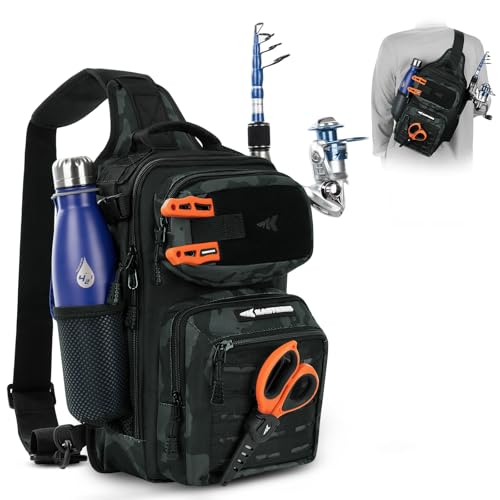
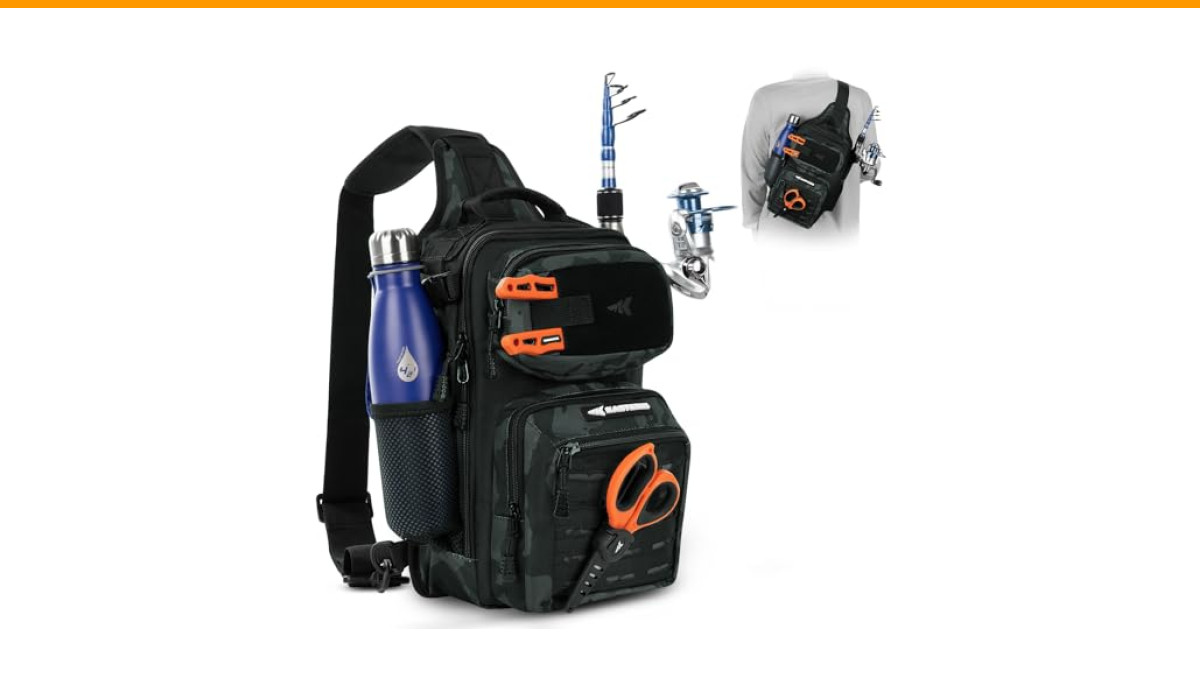
KastKing BlowBak Fishing Sling Bag With Rod Holder,Gear Storage,Black Camo
- VERSATILE DESIGN – KastKing BlowBak Tactical Fishing backpacks are a light-weight, versatile, sling bag designed for the adventuro…
- TOUGH MATERIAL & MOLLE SYSTEM – The KastKing BlowBak sling backpack is made from tough 600D material for excellent long-term perfo…
- INTEGRATED GEAR STORAGE – Keep your hands free as you fish, hunt, or hike. The Side Beverage Pocket offers a secure way to transpo…
This guide breaks down the top selling platforms, the real fees you’ll pay, and the strategies that get your gear sold fast without leaving money on the table. You’ll also learn how to pack a rod for shipping, when to list ice fishing gear (hint: not in January), and which buyers are actually looking for what you have.
Before you start listing, think about how you’ll transport your gear to meet buyers or ship it out. A decent KastKing BlowBak fishing sling bag makes this easier — it holds a rod, a few tackle trays, and your tools, so you can carry everything to a meetup spot or the post office without juggling loose items. It’s not a luxury item, but it’s practical for anyone selling gear regularly.
The Real Cost of Selling: Platform Fees vs. Payout Speed
Every platform takes a cut, but the cuts vary wildly. eBay charges a final value fee of 13.25% on most fishing gear (plus a $0.30 transaction fee per order). That means a $100 reel nets you about $86.50 before shipping costs. Facebook Marketplace and Craigslist charge nothing, but you deal with no-shows and lowball offers.
Payout speed matters too. PayPal and Venmo release funds instantly or within a day. eBay holds funds for a few days after delivery confirmation, especially for new sellers. If you need cash this week, local sales win. If you can wait a week, online auctions often bring higher prices.
Here’s a comparison table to make the decision clearer:
| Platform | Listing Fee | Final Value Fee | Payout Speed | Best For |
|---|---|---|---|---|
| eBay | Free (up to 250 listings/month) | 13.25% + $0.30 | 2-3 days after delivery | Reels, vintage gear, high-value items |
| Facebook Marketplace | Free | None | Instant (cash or Venmo) | Combo setups, bulky items, local pickup |
| Craigslist | Free | None | Instant (cash) | Cheap gear, rods, old tackle boxes |
| Fishing Forums | Free or small fee | None (donations sometimes) | Varies by payment method | Collectors, rare lures, custom rods |
| Local Tackle Shop | None | Consignment: 20-30% | After sale (weekly or monthly) | Quality used gear, trade-ins |
Don’t forget shipping costs. A rod tube costs $15-25, and shipping a 7-foot rod runs $30-50 with insurance. That eats into your profit. Factor shipping into your asking price or list locally to avoid it entirely.
Top Online Marketplaces for Reach and Volume
eBay and Amazon: The Global Giants
eBay is the go-to for fishing reels and vintage tackle. Collectors search for specific models — an old Penn Senator or a Shimano Calcutta from the 90s can fetch serious money. You’ll reach buyers worldwide, but you’ll pay for that reach.
Amazon allows used gear only through third-party sellers, and the competition is brutal. Unless you have a bulk lot of new-in-box items, skip Amazon. eBay gives you more control over your listing and a better audience for used equipment.
One tip: search eBay for your exact item before listing. Filter by ‘Sold Items’ to see what similar gear actually sold for, not what sellers are asking. That gives you a realistic price range.
Facebook Marketplace and Craigslist: The Local Cash Kings
Facebook Marketplace is where you’ll sell a full rod and reel combo in a weekend. The audience is huge, and local pickup means no shipping headaches. List with clear photos, a fair price, and be ready to negotiate. I’ve sold three setups this way, and each one went within 48 hours.
Craigslist still works, but it’s quieter than it used to be. You’ll get more spam and fewer serious buyers. Use it as a backup, not your primary channel.
The catch with local sales: you’ll encounter lowballers. Someone will offer half your asking price. Politely say no, or counter with a firm price. Most buyers expect to haggle, so price your gear 10-15% higher than your minimum acceptable amount.
Niche Forums and Specialty Sites: Hooking the Right Buyer
Fishing forums and specialty sites are where the real enthusiasts hang out. Sites like Bass Boat Central, The Hull Truth, and StriperOnline have classified sections where members buy and sell gear. These buyers know exactly what they want and will pay premium prices for quality items.
For fly fishing gear, check Fiberglass Flyrodders and the classifieds on Fly Fishing Forum. For saltwater gear, try Bloodydecks. For vintage reels and lures, the Reel Talk forum has a bustling marketplace.
The trade-off: these forums often require a membership (usually free) and sometimes a minimum post count before you can sell. That’s a hurdle, but the payoff is a buyer who doesn’t flinch at a fair price. You also avoid platform fees entirely — most transactions happen via PayPal Goods and Services, which charges about 3%.
One thing to watch: forum rules about posting frequency. Some limit you to one bump per day. Follow the rules or you’ll get banned.
Local Options: Tackle Shops, Pawn Shops, and Trade-Ins
Your local tackle shop might buy used gear or offer trade-in credit. The payout is lower — typically 30-50% of what you’d get selling privately — but it’s instant and hassle-free. Some shops also sell on consignment, taking a 20-30% cut once the item sells. That’s a good option if you have high-end gear and don’t want to deal with online listings.
Pawn shops are the worst place to sell fishing gear. They pay pennies on the dollar — I’ve seen $200 reels sell for $40. Only use a pawn shop if you need cash immediately and have no other options.
Donation is another route. Groups like Project Healing Waters and local youth fishing programs accept used gear. You won’t get cash, but you might get a tax deduction. Keep a receipt and check the IRS rules on donated goods.
The Seller’s Playbook: Pricing, Photos, and Descriptions
Pricing is the difference between selling in a week and sitting on your gear for months. Start with a simple rule: used fishing gear sells for 40-60% of its original retail price, depending on condition. A reel that was $150 new might bring $60-90 if it’s clean and functional.
Condition matters more than age. A 10-year-old reel that’s been serviced and looks new will outsell a 2-year-old reel with scratches and corrosion. Clean your gear before listing. Wipe down the reel, remove old line, and polish the rod guides. Good photos make a huge difference.
Take photos in natural light, not under a lamp. Show the reel from multiple angles, including the bottom and the drag knob. For rods, show the entire rod and a close-up of the tip and guides. Disclose any damage honestly — a chip in the blank or a corroded guide. Transparent listings build trust and reduce returns.
Write a description that includes the brand, model, year (if known), line weight, gear ratio, and any modifications. Use terms buyers search for: ‘baitcaster’, ‘spinning reel’, ‘fly rod’, ‘saltwater’. Don’t stuff keywords, but be specific.
Shipping 101: Packing and Insuring Your Gear Safely
Shipping a reel is straightforward. Wrap it in bubble wrap, place it in a box with packing peanuts, and seal it well. A reel weighs 8-15 ounces, so shipping costs $8-12 via USPS Priority Mail. Add insurance for anything over $50 — it costs about $2-3 per $100 of coverage.
Rods are trickier. A 7-foot rod won’t fit in a standard box. You need a rod tube or a long triangular box. Cardboard rod tubes cost $15-20 at tackle shops or online. PVC pipe from a hardware store works too — cut it to length, cap the ends, and pad the inside with foam.
When shipping a rod, remove the reel if possible. Wrap the rod in bubble wrap, secure the tip and guides, and place it in the tube. Mark the box ‘Fragile’ but don’t rely on that alone — insurance is your real protection. Shipping a rod costs $25-50 depending on length and weight, so factor that into your price or charge the buyer for shipping.
Pro tip: buy shipping labels through PayPal or a service like Pirate Ship. They offer discounted rates compared to walking into the post office. I’ve saved 20-30% on every package.
Timing the Market: When to Sell What for Maximum Profit
Fishing gear is seasonal, and the calendar dictates demand. Sell ice fishing gear in September and October, when anglers are prepping for hardwater season. Ice rods and augers sell fast then. By January, everyone has what they need.
Saltwater gear peaks in early spring — March and April — as coastal anglers gear up for the summer runs. Freshwater bass gear sells well from February through June. Fly fishing gear moves best in April and May.
Winter is the slow season for most gear, but it’s the best time to sell collectible vintage reels. Collectors shop year-round, and they’re less distracted by actual fishing. If you have a rare Penn or a classic Abu Garcia, list it in January.
Here’s a quick month-by-month breakdown:
- September-October: Ice fishing gear, late-season saltwater gear
- November-December: Gift-givers, high-end reels, gift cards (sell early for holiday shipping)
- January-February: Vintage and collectible reels, fly tying materials
- March-April: Freshwater rods and reels, saltwater gear for spring runs
- May-June: Bass gear, spinning combos, starter kits
- July-August: Kayak fishing gear, wading boots, anything for summer trips
Don’t wait until the season starts. Sell a month or two ahead. Buyers are planning, not panicking.
Avoiding Scams and Legal Pitfalls: Taxes and Safe Transactions
Online selling attracts scammers. The most common fishing gear scam is the overpayment trick: a buyer sends a check for more than your asking price and asks you to wire the difference. It’s a classic fake check scam. Never accept a check for more than the price. Cash, PayPal Goods and Services, or Venmo with purchase protection are your safest options.
For local sales, meet in a public place — a police station parking lot or a busy shopping center. Bring a friend if the item is high-value. Don’t give out your home address. And trust your gut: if a buyer seems sketchy, walk away.
Taxes are another consideration. In the U.S., you’re required to report income from selling goods, even if it’s a hobby. If you sell more than $600 on a platform like eBay or PayPal, they’ll send you a 1099-K form. Keep track of your sales and expenses. You may be able to deduct the original cost of the gear or selling fees, but consult a tax professional for specifics. State laws vary, so check your local regulations.
One more thing: don’t sell stolen gear. It’s illegal and it hurts the community. If you’re unsure about an item’s history, don’t list it.
Frequently Asked Questions
What is the best platform to sell used fishing equipment?
It depends on your gear and your timeline. For local sales with no fees, Facebook Marketplace is the best. For high-value reels or vintage items, eBay reaches the most buyers. For niche gear like fly rods or custom lures, specialty forums bring the best prices.
How much can I sell my used fishing gear for?
Expect 40-60% of the original retail price, depending on condition and demand. A $200 reel in excellent condition might sell for $100-120. A well-used combo might only bring 25-30%. Check sold listings on eBay to see real prices for your specific model.
Should I sell my fishing gear locally or online?
Local sales are faster and cheaper — no shipping, no fees, instant cash. Online sales reach more buyers and often bring higher prices, but you pay fees and handle shipping. For bulky items like rods, go local. For collectibles or high-end gear, go online.
How do I avoid scams when selling fishing gear?
Use cash or PayPal Goods and Services for online transactions. Never accept overpayment checks. Meet local buyers in public places. Be wary of buyers who ask for your personal info or want to ship to a different address. Trust your instincts — if a deal feels off, it probably is.
Do I need to pay taxes on used fishing gear sales?
Yes, if you make a profit. Platforms like eBay and PayPal report sales over $600 to the IRS via Form 1099-K. You can deduct the cost of the gear you sold and selling fees. For casual sellers, the tax bill is usually small, but keep records. Check with a tax professional for your specific situation.
Final Verdict: Choosing the Right Platform for Your Gear
There’s no single best place to sell used fishing equipment. The right choice depends on what you have, how fast you need cash, and how much effort you’re willing to put in.
- For fast local cash with zero fees, list on Facebook Marketplace. Meet in public, bring a friend, and price your gear 10-15% above your minimum.
- For high-value reels and vintage pieces, eBay is worth the 13% fee. Use sold listings to price accurately and ship with insurance.
- For niche gear like fly rods or custom lures, hit the forums. You’ll find buyers who appreciate the value and pay for it.
- For the least hassle, try a local tackle shop on consignment. You’ll take a 20-30% cut, but they handle everything.
- For bulky rods, skip shipping and sell locally. The cost of a rod tube and shipping will eat your profit.
- Time your sales. Sell ice gear in fall, saltwater gear in spring, and vintage reels in winter.
- Always clean your gear, take honest photos, and disclose flaws. A good reputation pays off in repeat sales.
Selling your used fishing gear doesn’t have to be a chore. Match the platform to the item, price it right, and you’ll turn that closet clutter into cash for your next upgrade.