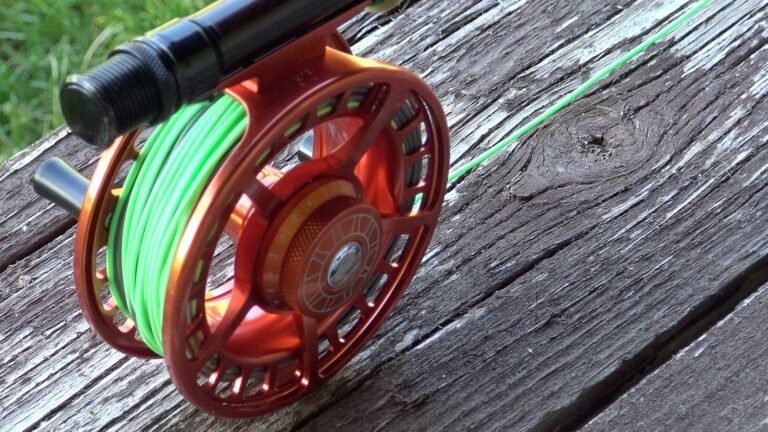
That spare fly rod in the corner of your garage. The box of streamers you haven’t touched in three seasons. The reel that still works fine but got replaced by something lighter. You keep telling yourself you’ll sell it all someday. Someday rarely comes.
This guide cuts through the fluff. You’ll learn exactly where to donate fly fishing gear, what organizations actually need, how to package long rods for shipping, and how to handle the tax paperwork. No vague advice. Just practical steps you can use this week.
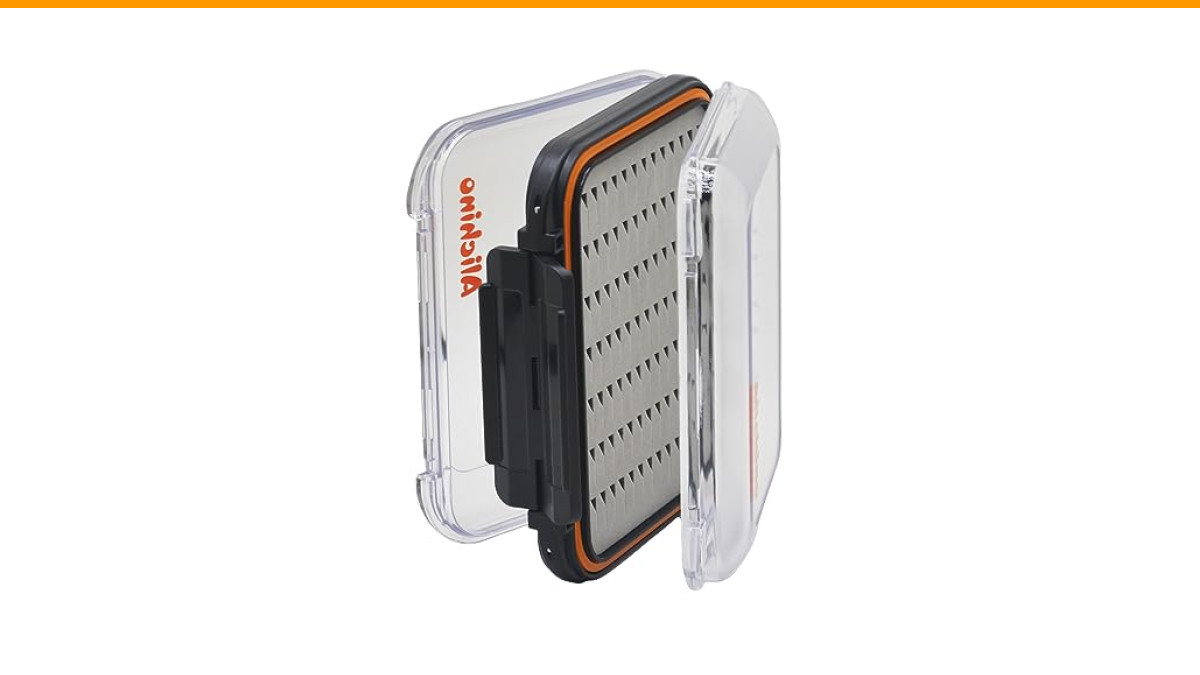
Before you box everything up, consider grabbing a small fly box with a grey foam insert to organize loose flies and jigs. A waterproof box keeps your donation tidy so the receiving organization can sort and distribute it faster. It’s a small touch that makes a real difference for volunteers.
Why Donating Your Gear Matters More Than You Think
Anglers own a lot of stuff. The average fly fisher has three rods, four reels, and enough flies to fill a shoebox. Much of that sits unused. The environmental cost of manufacturing new gear is real. Producing a single graphite rod involves energy-intensive processes and shipping emissions.
Here’s a number that sticks with me: roughly 1.4 million tons of fishing gear ends up in U.S. landfills each year. That includes line, lures, and broken rods that could have been recycled or reused. Donating keeps usable gear in circulation and delays that landfill trip.
There’s also the access problem. Youth fishing programs and mentorship groups constantly struggle to find affordable equipment. A child’s first fly rod often determines whether they stick with the sport. Your used gear becomes someone’s introduction to a lifetime on the water.
So the act of donating does two things at once. It reduces waste and it builds the next generation of anglers. That’s a pretty good trade for cleaning out your closet.
Preparing Your Gear: What to Clean, Repair, and Avoid
Organizations don’t want your junk. They want gear that works. Spend twenty minutes preparing your donation and you’ll double its chances of being used rather than tossed.
Start with a basic cleaning. Wipe down rods with a damp cloth. Remove old line from reels and spool them with fresh backing if you have it. Wash flies and lures in warm soapy water to remove dirt and salt. Let everything dry completely before packing. Mold in a sealed box ruins everything.
The ‘Donatable’ Checklist vs. The ‘Recycle’ Pile
Here’s how I sort gear when I’m cleaning out my own space.
Donate these:
- Rods with no cracks, chips, or broken guides. Minor scratches are fine.
- Reels that retrieve smoothly and don’t stick. Rust on the outside is okay; rust inside the drag system is not.
- Flies and lures with intact hooks. Bent hooks can be straightened, but rusted ones should be discarded.
- Line that isn’t cracked or brittle. Check for memory coils that won’t straighten.
- Waders without leaks, vests with working zippers, and tools that aren’t corroded.
Recycle or trash these:
- Rods with broken tips or cracked blanks. These are structural failures and can’t be safely repaired.
- Reels with stripped gears or broken bail springs. Parts are hard to find for older models.
- Mono or fly line that’s frayed, cracked, or heavily coiled. It will fail on a fish.
- Any gear with significant rust or corrosion. It’s not worth anyone’s time.
One exception: some programs accept broken rods specifically for parts. Call ahead and ask. A few organizations use the handles and reel seats for craft projects or repairs. But don’t assume they want your broken stuff. Ask first.
Top National Organizations Accepting Gear Donations
National groups offer the simplest path. You box it up, ship it, and they handle distribution. The trade-off is less control over where your gear ends up.
Project Healing Waters Fly Fishing serves disabled veterans. They run fly fishing programs at VA facilities and community locations across the country. They accept rods, reels, tying materials, and tools. Your gear goes directly to a veteran learning to cast.
Fly Fishing Collaborative works with youth groups and community programs. They focus on getting gear into the hands of kids who wouldn’t otherwise have access. They accept new and gently used equipment.
Cast Aside focuses specifically on getting fly rods to kids. They run a gear bank model where donated equipment is cleaned, repaired, and distributed to youth programs. They publish a wish list of what they need most.
For a broader option, Goodwill and the Salvation Army accept fishing gear at most locations. It’s not fly-specific, but it works if you’re in a pinch. Just know that gear often ends up in a general retail store rather than a dedicated program.
Youth Programs vs. Conservation Groups: Who Needs What
Youth programs need everything but especially need smaller rods and simple reels. Kids can’t handle a 9-foot 8-weight. A 4-weight or 5-weight rod in the 8-foot range is perfect. Basic click-and-pawl reels are ideal because they’re simple to operate.
Conservation groups like Trout Unlimited often accept gear for fundraising auctions. They sell donated items and use the cash for habitat restoration. Your gear becomes a line item in a budget rather than a tool in someone’s hands. Both outcomes are valid, but they’re different. Decide which matters more to you.
Veterans programs like AZ Vets Fly Fishing specifically request functional gear for their participants. They often need larger sizes and heavier weights because they fish bigger water. Check their current needs before shipping.
Finding Local Drop-Offs: Tackle Shops, Clubs, and Schools
Local donations have a smaller carbon footprint and a more direct impact. You can see where your gear goes and sometimes meet the person using it.
Start with your local fly shop. Many shops serve as collection points for community gear drives. They have the storage space and the customer base to redistribute equipment. Call first. Not every shop has a program, but the good ones usually do.
Trout Unlimited chapters run local youth programs and often need gear. Find your nearest chapter through their website and email the youth education coordinator. They’ll tell you exactly what they need.
Schools with outdoor programs are another option. Some high schools and colleges have fly fishing clubs that operate on tight budgets. A donation of five rods and reels could equip an entire semester of students.
Boy Scout troops and 4-H groups also take gear. These organizations run fishing merit badge programs and summer camps. They’re always looking for functional equipment.
Here’s a quick comparison of your options:
| Organization Type | Best For | Impact | Effort Required |
|---|---|---|---|
| National veterans programs | Large gear lots, shipping convenience | Direct use by participants | Medium — need to package and ship |
| Local Trout Unlimited chapters | Regional donations, youth mentorship | Local community building | Low — usually in-person drop-off |
| Tackle shops | Small donations, quick drop-off | Varies by shop program | Very low — walk in and hand over |
| Schools and scout troops | Youth-sized gear, basic equipment | Direct educational use | Low — coordinate with a teacher or leader |
| Conservation groups (auctions) | High-value items, collectibles | Fundraising for habitat work | Low — drop-off or ship |
The Logistics: Mailing vs. In-Person Drop-Off
Shipping gear sounds straightforward until you try to mail a 9-foot rod. It’s not difficult, but it requires some planning.
In-person drop-offs are simpler. You hand over the gear, maybe sign a receipt, and you’re done. The downside is finding an organization near you. Rural anglers often have to drive an hour or more to reach a collection point.
Mailing gives you more options. You can donate to any organization in the country. The cost is usually $15 to $40 depending on the size and weight of your package. Some organizations provide prepaid shipping labels. Most don’t. Ask before you commit.
How to Package Rods and Reels for Shipping
Rods are the tricky part. A 9-foot rod doesn’t fit in a standard box. You have two options.
First, use the original rod tube. If you kept it, great. If not, buy a cheap PVC tube from a hardware store. Cut it to length and cap both ends with PVC caps. Wrap the rod in bubble wrap before inserting it. This is the safest method.
Second, use a long shipping box. You can buy them at UPS or FedEx stores. Place the rod in a cardboard tube inside the box for extra protection. Fill empty space with packing paper. Don’t use newspaper — the ink transfers to the rod.
Reels are easier. Wrap them in bubble wrap and place them in a small box. Remove the line first. Reels with line left on them can get tangled during shipping and cause problems for the recipient. Spool the line onto a separate reel or discard it.
Flies and small tackle go in a padded envelope or small box. The waterproof fly box mentioned earlier is perfect for this. It keeps everything organized and prevents hooks from poking through packaging.
One more tip: insure the package for its replacement value. If a rod breaks in transit, you want to be compensated. Most carriers offer insurance up to $100 for a few dollars extra.
The Tax Deduction: Documentation and Valuation
Donating gear can lower your tax bill, but only if you document it properly. The IRS has specific rules for non-cash charitable contributions.
First, you need a receipt from the organization. It should include their name, the date, and a description of the items donated. For items under $250, this receipt is sufficient. Keep it with your tax records.
For donations between $250 and $500, you need a written acknowledgment from the charity. This is a formal document that confirms the donation and states whether you received anything in return. Most organizations provide this automatically.
Getting a Receipt and Filing Form 8283
Here’s where it gets specific. For donations over $500, you must file IRS Form 8283 with your tax return. This form requires you to list each item and its fair market value.
Fair market value is what the item would sell for in its current condition. A used rod that retails for $400 might be worth $100 in used condition. You can’t claim the original purchase price. Use online marketplaces like eBay to gauge current used prices.
For donations over $5,000, you need a qualified appraisal. This is a formal written appraisal from a certified appraiser. It’s rare for fishing gear to hit this threshold unless you’re donating a collection of vintage rods.
One thing to know: the deduction is limited to 30% of your adjusted gross income for most charitable contributions. If you donate $2,000 worth of gear but your AGI is $50,000, you can only deduct up to $15,000. This rarely matters for typical gear donations, but it’s good to know.
Creative Alternatives: Selling for Cash or Gifting to Mentors
Donation isn’t your only option. Sometimes selling your gear and donating the cash is more effective.
High-end gear often sells well on eBay or Facebook Marketplace. A $500 rod might sell for $200 used. You can then donate that $200 to a conservation group and claim a cash deduction. This gives the organization flexibility to buy exactly what they need.
The downside is the hassle. Listing, photographing, shipping, and dealing with buyers takes time. If your gear is worth less than $100, it’s usually not worth the effort.
Another option is gifting directly to a mentor or friend. If you know someone who’s teaching a kid to fish, hand them your spare gear. No paperwork, no shipping, no tax forms. Just a direct transfer that strengthens your local angler community.
Some anglers create informal gear libraries. They lend equipment to friends and neighbors who want to try fly fishing. This keeps gear in use without any formal organization involved. It’s not a donation in the tax sense, but it serves the same purpose.
Frequently Asked Questions
Can I donate broken fishing rods?
Most organizations won’t accept broken rods. There’s a small market for parts, but it’s niche. A few programs like Cast Aside accept broken rods for their repair workshops. Call ahead and ask. If no one wants it, recycle the metal components and trash the rest.
Do I need to clean my gear before donating?
Yes. Dirty gear takes time to process and may be discarded by the organization. A quick wipe-down and drying takes ten minutes. Remove old line from reels and wash flies in warm soapy water. Clean gear is more likely to be used than tossed.
What’s the best way to ship a fly rod?
Use a PVC tube or the original rod tube. Wrap the rod in bubble wrap, insert it into the tube, and cap both ends. Place the tube inside a long shipping box with packing material. Insure the package for its replacement value. Expect to pay $20 to $40 for shipping.
How much can I deduct for used fishing gear?
You can deduct the fair market value, which is what the gear would sell for in its current condition. Check online marketplaces for comparable used prices. For donations over $500, you’ll need to file Form 8283. For over $5,000, you need a qualified appraisal.
Are there tax benefits for donating to a local fly shop?
Only if the shop is a registered 501(c)(3) nonprofit. Most commercial fly shops are for-profit businesses and can’t provide tax-deductible receipts. If the shop is running a drive on behalf of a nonprofit, they’ll typically provide a receipt from that organization. Ask before you drop off gear.
Cast Forward: Your Gear’s Second Life
Your old gear has plenty of life left. It just needs to find the right hands.
- Sort gear into donatable and recyclable piles before contacting any organization.
- Clean everything thoroughly — dirty gear gets thrown away more often than you’d think.
- Match your gear to the right recipient: youth programs need smaller rods, veterans programs need versatile setups, conservation groups want saleable items.
- Call ahead before shipping or dropping off. Every organization has different needs and capacity.
- Package rods in PVC tubes and remove line from reels before shipping.
- Keep receipts for any donation over $250 and file Form 8283 for donations over $500.
- Consider selling high-value gear and donating the cash instead — it gives organizations more flexibility.
Pick the option that fits your situation. A local drop-off takes an afternoon. A national shipment takes a trip to the post office. Either way, that rod gets back on the water where it belongs.