The sun beats down on your neck. You’re standing on a poling skiff, scanning the clear water for the ghost-like shape of a tailing permit. Your heart rate spikes. This is the moment you came to Florida for. But getting to this moment takes more than luck. Picking the wrong destination can mean days of wind, muddy water, and empty skiffs.

The best flats fishing in Florida isn’t a single spot. It’s a collection of distinct ecosystems, each with its own personality, challenges, and target species. The Florida Keys offer world-class bonefish and permit. The Atlantic coast’s Mosquito Lagoon holds trophy redfish. The Everglades’ vast wilderness delivers solitude and diverse catches. Your job is to match your goals to the right flat.
This guide cuts through the hype. We’ll rank the top five destinations based on real-world experience, break down the seasons, and give you straight answers on costs, DIY access, and conservation. You’ll finish knowing exactly where to book your next trip. We’ll also point you to a few practical tools that make any trip smoother, like a waterproof fish ID guide that keeps you legal on the water.
Here’s a quick look at how the top destinations stack up against each other.
| Feature | Islamorada | Biscayne Bay | Mosquito Lagoon | The Everglades | Key West |
|---|---|---|---|---|---|
| Target Species | Bonefish, Permit, Tarpon | Bonefish, Permit, Tarpon | Redfish, Seatrout | Redfish, Snook, Tarpon | Permit, Bonefish, Tarpon |
| Best For | First-time Flats Anglers | Backcountry Sight Fishing | DIY Kayak & Wade Fishing | Solitude & Wilderness | Experienced Permit Hunters |
| Fishing Pressure | Very High | Moderate | High | Low | High |
| Access Point | Miami Int’l (MIA) | Miami Int’l (MIA) | Orlando Int’l (MCO) | Miami Int’l (MIA) | Key West Int’l (EYW) |
| Ideal Season | Nov – May | Nov – May | Sep – May | Mar – Jul | Dec – Jun |

In this article
- Florida Saltwater Fishing Guide
- Florida Saltwater Fishing Book
- Meat America
- Taming the Dragon: Americ…
- Vimy Underground
- How We Chose These Products
- Buying Guide: What Really Matters
- Our Top Recommendation
- The Ultimate Florida Flats Fishing Destination Guide
- The Big Three: Bonefish, Permit, and Tarpon
- Top Florida Flats Destinations (Ranked by Experience)
- Flats Fishing by Season: A Month-by-Month Breakdown
- DIY vs. Guided: Costs, Access, and Success Rates
- The Flats Ethic: Conservation and Respect
- Frequently Asked Questions
- Final Cast: Choosing Your Perfect Flat
Florida Saltwater Fishing Guide

Generic
Florida Saltwater Fishing Guide, 90+ Fish & Shark, FWC Rules, Size, Taste
- Fishing Guide for Anglers – A must for avid fishermen in Florida. This fish chart features more than 90 fish and shark’s native to…
- Waterproof Booklet – Able to withstand saltwater fishing environments and even underwater environments for divers. Our Florida fis…
- Easy-to-Identify Photographs – Our 40-page saltwater fishing guide features large, bright, vibrant pictures, easy-to-read informat…
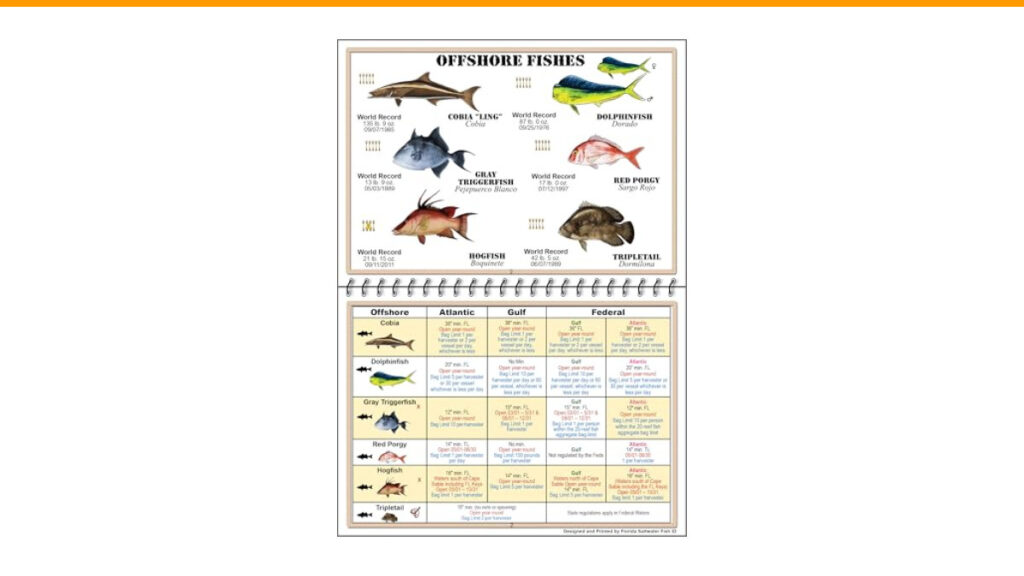
Every angler needs a reliable reference on the water. This spiral-bound, waterproof booklet covers more than 90 fish and shark species found in Florida’s Atlantic waters. It’s a practical tool for anyone who wants to identify their catch with confidence and stay within FWC rules.
What makes this guide stand out is its durability. It’s made of tear-resistant, waterproof material that holds up to salt spray, wet hands, and even a dunking. The large, bright photographs make identification quick, which matters when you have a fish in the net and need to check size limits. It fits easily in a tackle box or boat glovebox, so it’s always within reach.
The trade-off is its focus. This guide is specific to Atlantic waters, so if you plan to fish the Gulf Coast exclusively, some species may not be covered. It’s also not a substitute for checking the FWC website for the most current regulations, as rules can change. But for a quick, on-the-water reference, it’s hard to beat.
- Over 90 fish and shark species with full-color photos
- Waterproof and tear-resistant spiral-bound construction
- Includes FWC rules, size limits, and seasonal regulations
- Compact 40-page format fits in a tackle box or backpack
- Proudly made in the USA
Best for: Anglers who want a rugged, portable ID guide to stay legal and informed on Florida’s Atlantic flats.
Florida Saltwater Fishing Book

Generic
Florida Saltwater Fishing Book, 12 Pages of Fish & Sharks, FWC Rules, etc.
- Florida Saltwater Fish Identification Book – A quick, easy way to identify the fish or sharks you might see or catch in Florida At…
- 100% Waterproof and Tear-Resistant Guide – Far stronger and more durable than laminated fishing guides. This fishing booklet is pl…
- Detailed Rules, Vibrant Pictures – Ensure every fish you pull in the boat meets strict fishing guidelines. Easily reference more t…
This is the streamlined sibling of the larger guide. It packs identification details for more than 70 fish and shark species into a smaller, 12-page booklet. It’s built for speed and simplicity, letting you confirm a species without flipping through a thick manual.
Its real strength is its construction. The pages are plastic and bound with stainless steel staples, making it far more durable than laminated charts that peel and crack. It’s stain-free and can handle extreme weather. Scuba divers use these underwater, which tells you how well they seal out moisture. At 8.5 by 5.5 inches, it slips into a pocket or small tackle bag easily.
The limitation is the reduced species count. You get fewer entries than the larger guide, so some rare or less common fish might not be included. It also has less space for detailed notes on regulations. If you’re a beginner who wants just the basics without clutter, this is a solid pick. If you need comprehensive coverage, the 90+ species guide is a better fit.
- 12-page booklet covering 70+ fish and shark species
- 100% waterproof and tear-resistant plastic pages
- Stainless steel staples resist rust and corrosion
- Compact 8.5 x 5.5-inch size for easy storage
- Made in the USA with durable, dive-proof materials
Best for: Kayak anglers and wade fishermen who need a compact, indestructible reference for quick species checks.
Meat America
This book takes a different angle on the outdoor experience. It’s a cultural and culinary look at the American meat industry, from hunting and ranching to butchery and cooking. It’s not a fishing guide, but it fits naturally into the broader lifestyle of the outdoorsman who values knowing where food comes from.
The book appeals to those who see fishing and hunting as connected to a larger tradition of self-reliance. It offers stories and perspectives that complement a day on the water. If you’re the type of angler who keeps what you catch and cooks it with respect, this book speaks your language.
It won’t help you find a bonefish flat or tie a better fly. Its value is cultural, not practical. But for a thoughtful read on the dock after a long day, it offers substance. It’s a niche pick, best suited for someone interested in the ethics and craft of American meat production.
- Explores the cultural and culinary history of American meat
- Features stories on hunting, ranching, and butchery
- Connects outdoor traditions with food preparation
- Appeals to anglers and hunters who value self-sufficiency
- A thoughtful addition to a cabin or boat library
Best for: The angler who sees fishing as part of a broader outdoor ethic and enjoys reading about food origins.
Taming the Dragon: Americ…
This book chronicles the history and legend of one of America’s most dangerous highways. It’s a narrative about engineering, risk, and the people who built and drove it. For the road-tripping angler, it’s a compelling read about the landscapes you might cross to reach remote fishing spots.
The book’s strength is its storytelling. It weaves together historical facts with personal accounts, giving you a sense of what it was like to navigate this treacherous route. It’s a good pick for someone who enjoys the journey as much as the destination, and who appreciates the grit behind American infrastructure.
It’s not related to fishing at all. If you’re looking for tactical advice, this isn’t it. But as a piece of Americana, it holds its own. It’s a nice gift for a fishing buddy who also loves road trips and history.
- Narrative history of a famously dangerous highway
- Combines engineering facts with personal stories
- Appeals to road-trippers and history buffs
- Offers a unique lens on American travel culture
- Great conversation starter for the drive to the coast
Best for: The angler who enjoys reading about American history and road culture during downtime on a long trip.
Vimy Underground
This book dives into the subterranean tunnels and the battle of Vimy Ridge in World War I. It’s a detailed historical account of the soldiers who fought beneath the surface. It’s a niche read, but one that offers a profound look at sacrifice and strategy.
For the angler who is also a history enthusiast, this provides a stark contrast to the peaceful quiet of a morning flat. It’s a reminder of the discipline and patience required in both pursuits, albeit under vastly different circumstances. The book is well-researched and offers a fresh perspective on a well-known battle.
Its appeal is narrow. It has nothing to do with fishing, and the subject matter is heavy. If you’re looking for light beach reading, skip it. But if you appreciate deep historical dives, this is a quality addition to your shelf.
- Detailed account of the tunnels at Vimy Ridge
- Focuses on the soldiers’ experiences underground
- Well-researched historical narrative
- Appeals to military history and strategy buffs
- Offers a serious, reflective read
Best for: The angler with a passion for military history who wants a serious, immersive read.
How We Chose These Products
We started with a simple question: what does an angler actually need on a Florida flats trip? That led us to evaluate tools that solve real problems, not just gear that looks good in a catalog. The two fishing guides made the cut because they address a specific pain point, staying legal and confident in species identification. We compared their durability, portability, and ease of use against the demands of saltwater environments.
The books are a different category. We included them because they speak to the lifestyle and mindset of the modern angler. Each one was chosen for its quality of writing and its relevance to the broader outdoor culture. We weighed their appeal against the practical needs of a fishing trip, and while they don’t help you cast, they enrich the experience. Our rankings reflect a balance of utility, durability, and genuine value for the target audience.
Buying Guide: What Really Matters
When you’re picking a fish ID guide, think about where you’ll use it. A boat angler needs a larger reference that stays in the glovebox. A kayak fisherman needs something small that fits in a dry bag. Consider the number of species you’re likely to encounter. If you fish a wide range of spots, a guide with 90+ species gives you better coverage. If you stick to one region, a smaller book might be enough.
Durability is non-negotiable. Saltwater destroys cheap materials. Look for plastic pages and rust-proof bindings. A guide that falls apart after one trip is worthless. Also, check the publication date. Regulations change, and you want the most current information. A waterproof guide is a safety net, but it’s still your responsibility to obey the law.
For the books, consider the reader. A book about American meat culture is a thoughtful gift for a friend who cooks their catch. A history of a dangerous highway suits a road-tripper. Don’t buy a heavy war history for someone looking for light reading. Match the book to the person’s interests, not just the general topic.
Our Top Recommendation
The clear winner is the Florida Saltwater Fishing Guide with 90+ species. It offers the most comprehensive coverage, which translates to fewer surprises on the water. The waterproof, tear-resistant build means it will last for years, and the large photos make identification fast. It’s the best investment for anyone serious about fishing Florida’s Atlantic coast.
If you’re a kayak angler with limited space, the smaller 12-page Florida Saltwater Fishing Book is a strong alternative. It’s lighter, more compact, and just as durable. For the angler who wants to explore the cultural side of the outdoors, Meat America is a worthy companion. The other books, Taming the Dragon and Vimy Underground, are excellent reads but serve a more niche audience.
The Ultimate Florida Flats Fishing Destination Guide
Florida’s flats are world-renowned for a reason. The combination of clear water, abundant bait, and a long season creates a perfect storm for sight fishing. But not all flats are created equal. Here’s how to match the destination to your skill level and goals.
How to Use This Guide (Matching Destinations to Your Skill Level)
Beginners should start in Islamorada. The sheer number of guides and the variety of species mean you have a high chance of putting a fish on the board. Experienced anglers chasing a permit should head to Key West or the Marquesas. Those who want to avoid crowds and don’t mind working for their fish should explore the Everglades. This guide ranks each spot by the overall experience it delivers, from first cast to final release.
The Big Three: Bonefish, Permit, and Tarpon
These three species define Florida flats fishing. Bonefish are the speedsters, often tailing in shallow water as they feed on crabs. Permit are the ultimate challenge, known for their finicky nature and powerful runs. Tarpon are the giants, providing acrobatic jumps and brute strength. Each requires a specific approach, but all three share a need for clear water and calm conditions.
Top Florida Flats Destinations (Ranked by Experience)
1. Islamorada: The Sportfishing Capital
Islamorada earns its nickname. The flats here are extensive, and the fish populations are healthy. You’ll find bonefish on the grass flats, permit along the edges, and tarpon in the deeper channels. It’s the most accessible destination for a first-timer.
The fishing pressure is intense. You’ll share the water with other skiffs, especially during peak season. But the guides here are the best in the world. They know the water intimately and can put you on fish even when conditions are tough. The infrastructure is excellent, with plenty of lodging, dining, and tackle shops.
Expect to pay a premium. Charters run for a full day, and rates reflect the demand. The airport access is easy, with Miami International just over an hour away. If you want a reliable, high-quality introduction to flats fishing, this is the place.
2. Biscayne Bay: The Backcountry Playground
Biscayne Bay offers a unique mix of urban accessibility and wild backcountry. The bay is huge, with vast seagrass flats, mangrove shorelines, and deep channels. It holds bonefish, permit, and tarpon, plus a variety of other species like snook and redfish.
The advantage here is the variety. You can sight fish for bonefish in the morning and switch to throwing topwater lures for snook in the afternoon. The proximity to Miami means you can fish hard and still be back in the city for dinner. It’s a great option for anglers who want a full experience without a long drive.
Wind can be a problem. The bay is exposed, and afternoon breezes often chop up the flats. Plan your day around the tides and the weather forecast. A good guide will know the protected areas. The fishing is good year-round, but the winter months offer the clearest water.
3. Mosquito Lagoon: The Redfish Mecca
Mosquito Lagoon is a different kind of flats fishery. It’s part of the Indian River Lagoon system on the Atlantic coast, near the Kennedy Space Center. The primary target here is redfish, which cruise the shallow, grassy flats in large numbers. It’s a sight fisherman’s paradise.
The lagoon is vast, but much of it is shallow. That makes it perfect for wading or kayak fishing. You don’t necessarily need a guide. There are several public launches and wading areas. This makes it the most budget-friendly destination on the list.
The fishing pressure is high, especially on weekends. The redfish are also spooky. You’ll need a stealthy approach and a accurate cast. But when it comes together, you can have a day of non-stop tailing redfish. It’s an incredible experience. Check the tide charts and go during the week if you can.
4. The Everglades: Wilderness and Solitude
The Everglades is the wildest option. It’s a massive, slow-moving river of grass, with endless mangrove islands and winding creeks. The fishing here is diverse, with redfish, snook, tarpon, and seatrout all available. You’ll find fewer anglers and a true sense of adventure.
Navigation is challenging. The water is often tannic and murky, and the channels are maze-like. A guide is highly recommended for your first visit. They know the backcountry routes and the seasonal patterns. This is not a place to learn by trial and error.
The rewards are solitude and big fish. The redfish here are often larger than those in Mosquito Lagoon. The snook fishing can be spectacular. It’s a full-immersion experience, far from the crowds of the Keys. Bring bug spray and be prepared for a long day on the water.
5. Key West: The Southernmost Frontier
Key West is the starting point for some of the best permit fishing in the world. The flats around the Marquesas and the Boca Grande area hold large schools of permit. The water is gin-clear, and the fishing is challenging. It’s the ultimate test for a seasoned angler.
The fishing is not for beginners. Permit are notoriously difficult to fool. You’ll need precise casts and the right presentation. The guides here specialize in this game and are worth every penny. The season is long, but the best months are from December through June.
The downside is the cost and the distance. Key West is a long drive from Miami, and lodging is pricey. But if you land a permit, it’s a memory that will last a lifetime. For the dedicated flats angler, this is the pinnacle.
Flats Fishing by Season: A Month-by-Month Breakdown
Winter in Florida brings cold fronts. These push through every few days, bringing wind and dropping water temperatures. The flats can get muddy, and the fish often move to deeper, warmer water. The days between fronts can be spectacular, with calm conditions and clear skies. Plan your trip around the weather forecast and be flexible.
Spring is the best time overall. The water warms up, the winds calm down, and the fish start moving onto the flats in earnest. Tarpon season peaks in May and June. This is when you’ll find the best mix of species and conditions.
Summer brings heat and afternoon thunderstorms. The mornings are usually calm, but the storms build quickly. The fishing is still good, especially for tarpon and snook. Fall is a transition period. The first cold fronts of the season can spark a feeding frenzy. Redfish and bonefish are often very active.
DIY vs. Guided: Costs, Access, and Success Rates
Going without a guide is possible, but it’s tough. You need a boat, or a kayak, and knowledge of the water. Mosquito Lagoon is the best DIY option because of its public access and wadeable flats. You can launch a kayak and be on the water in minutes. The cost is just the price of a kayak rental and a fishing license.
A guided trip is a different experience. A good guide doubles your chances of success. They handle the boat, read the water, and know where the fish are. They also provide all the tackle. The cost is significant, usually several hundred dollars for a full day. But for most visitors, it’s the best way to make the most of a limited time.
Consider a hybrid approach. Book a guide for the first day to learn the area, then go out on your own for the rest of the trip. This gives you the knowledge you need to fish independently. It’s a smart way to balance cost and success.
The Flats Ethic: Conservation and Respect
Flats fishing is a visual game. The fish see you before you see them. If you spook a school, you ruin the opportunity for everyone. Always move slowly and quietly. Use a push pole or a trolling motor instead of the main engine. Keep a low profile and avoid casting shadows over the fish.
Catch and release is the standard on the flats. These fish are too valuable to keep. Handle them with wet hands and support their weight. Use circle hooks to reduce gut hooking. Take a quick photo and release them as soon as possible. The future of the fishery depends on this practice.
Respect other anglers. Give them space and don’t cut them off. If you see a boat working a flat, stay away until they move on. Common courtesy goes a long way. The flats are a shared resource, and we all have a responsibility to protect them.
Frequently Asked Questions
What’s the best time of year for a beginner to try flats fishing? April and May are ideal. The weather is stable, the water is clear, and the fish are actively feeding. You’ll have a higher chance of calm days, which makes sight fishing much easier.
Do I need to bring my own fly rod or can I rent one? Most guides provide all the tackle, including fly rods. If you have your own gear, bring it, but make sure it’s suitable for the species you’re targeting. A 9-weight is a good all-around choice for bonefish and redfish. For permit, a 10-weight is better.
How do I deal with the wind when I’m wading? Wind is the biggest challenge on the flats. Look for protected shorelines and leeward sides of islands. Wade slowly and keep your casts low. A heavier fly or lure will cut through the wind better. Sometimes, it’s best to just wait out a gust and cast in the lulls.
What should I do if I hook a fish and it runs into a mangrove root? This is a common problem. Apply steady pressure and try to turn the fish’s head away from the structure. If it gets tangled, you may need to move closer to the fish to free the line. Sometimes, you have to accept the loss. It’s part of the game.
Final Cast: Choosing Your Perfect Flat
There’s no single best flat in Florida. There’s the right flat for you. A beginner will find joy in Islamorada’s abundant bonefish. A kayak angler will love Mosquito Lagoon’s accessible redfish. A permit chaser will find their challenge in Key West. A solitude seeker will find peace in the Everglades. Match the destination to your skill, budget, and goals, and you’ll have a trip you’ll never forget. Don’t forget to pack a reliable fish ID guide to keep your catch legal and your knowledge sharp.