
Why Balance Matters More Than Static Weight
Most anglers obsess over total rod and reel weight, but a light setup that tips forward will wear out your wrist faster than a heavier one that balances. The real enemy is torque. Every ounce sitting ahead of your hand acts like a lever, and over a hundred casts, that leverage translates into fatigue, sloppy casts, and missed strikes.
Balance is not about hitting a magic number on a scale. It’s about where the center of gravity sits relative to your grip. A well-balanced combo feels neutral in your hand, like an extension of your arm, so you can fish longer without constantly adjusting your grip or flexing your forearm to keep the rod tip up.

DINGSEN
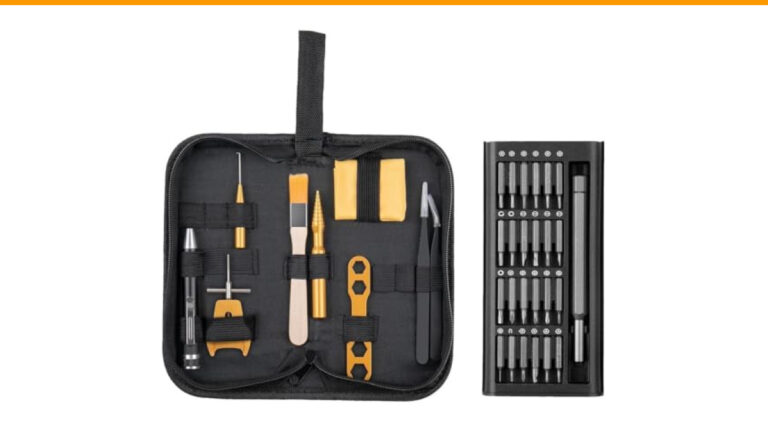
DINGSEN Fishing Reel Oil Kit – Cleans Rust, Prevents Corrosion & Smooths
- All-in-One Kit for Reel Care: This fishing reel cleaning kit includes 100ml fishing reel cleaner, 30ml reel oil, 10ml fishing reel…
- Stop Rust & Saltwater Damage: Salt, sand, and old grease cause rough cranking and corrosion. This reel oil and grease kit removes…
- Clean & Lube in Layers – No More Grinding: Water, bait residue, and dried grease speed up wear. Use this tackle reel care kit to f…
In this guide, you’ll learn how to find your combo’s natural fulcrum point, how line and lure weight shift balance during the cast, and when to add counterweight rather than spend money on a lighter reel. You’ll also get a field test protocol to measure fatigue after 50+ casts, plus technique-specific advice for jigging versus casting. By the end, you’ll know exactly what to adjust on your own gear.
If you’re about to service your reel after balancing, a proper cleaning and lubrication routine is part of the equation. A good kit like the DINGSEN Fishing Reel Oil Kit keeps your bearings and gears running smoothly, which directly affects how the reel feels during the retrieve. Sticky bearings add drag and make a balanced combo feel heavy, so don’t skip maintenance.
The Finger Test: Finding Your Natural Fulcrum Point
Before you change anything, you need to know where your combo balances right now. This is the classic finger test, and it takes ten seconds.
- Remove all line or at least strip it back to the spool arbor so you’re testing the bare rod and reel.
- Place your index finger under the rod blank, just ahead of the reel seat, and let the combo rest horizontally.
- Slide your finger forward or backward until the rod sits level, not tipping toward the tip or the butt.
- Mark that spot with a piece of tape or just remember it relative to the reel seat.
For most spinning combos, the balance point should sit at or slightly behind the reel seat’s front hood. If the rod tips forward, the tip is heavy. If it drops backward, the butt is heavy. Both are fixable, but forward tipping is more common and more problematic because it forces you to grip tighter to keep the tip up.
One caveat: the finger test only tells you about static balance. It doesn’t account for the weight of line, lure, or the forces during a cast. Use it as a starting baseline, not the final word.
The Dynamic Balance Factor: Line, Lures, and Casting Load
Static balance is a snapshot, but fishing is motion. The moment you start casting, the weight of your lure, the line, and the rod’s flex all change how the combo feels. This is what I call dynamic balance, and it’s where most balance advice falls short.
How Braid vs. Mono Shifts the Balance Mid-Cast
Braided line is much lighter than monofilament for the same breaking strength. A spool of 20-pound braid weighs about half as much as 20-pound mono of the same length. That difference shifts the center of gravity toward the rod tip when you’re spooled with mono, making the combo feel tip-heavier during the cast.
During the actual cast, the line flies off the spool in loops, and the weight of that line accelerates with the lure. Heavier mono creates more rotational inertia, so the rod tip lags slightly and then snaps forward harder. This can actually help load the rod for long casts, but it also increases the strain on your wrist at the end of the cast. Braid, being lighter, reduces that inertia, so the rod recovers faster and feels more nimble.
If you switch from mono to braid, you may notice the combo suddenly feels tip-light. That’s not your imagination. The reel now holds less weight, and the center of gravity shifts backward. You might need to add a small counterweight to the butt to bring it back, or simply accept the new feel and adjust your grip.
Adjusting for Lure Weight Range
Every rod has a lure weight range printed on the blank, usually something like 1/8 to 3/8 ounce. That range assumes a certain line weight and reel size. If you fish near the top of the range, the lure’s weight during the cast pulls the tip down harder, making the combo feel tip-heavy. If you fish near the bottom, the rod doesn’t load as deeply, and the balance point shifts back toward the reel.
The practical fix is to balance for the middle of your typical lure range, not the extremes. If you throw 1/4-ounce lures most of the time, balance the combo with a 1/4-ounce lure attached. That way, the static finger test with no lure might show a slightly butt-heavy setup, but the dynamic balance with your actual fishing weight will be neutral.
For heavy lures like swimbaits or jigs over 1 ounce, the tip will always pull down during the cast. No amount of counterweight will fully neutralize that, and you don’t want it to. A little forward weight helps load the rod and transfer energy into the cast. The goal is to avoid excessive tip-heaviness that forces you to strain, not to achieve perfect neutrality under load.
Matching Reel Size and Weight to Rod Action
Rod action—fast, moderate, slow—affects how the rod flexes and where the balance point sits. A fast-action rod bends mostly in the top third, so the blank’s weight is concentrated toward the tip. That makes fast rods more prone to tip-heaviness. A moderate or slow action bends deeper into the blank, spreading the weight and often balancing better.
Reel size matters too. A 2500-size reel weighs around 8 to 10 ounces, while a 4000-size reel can weigh 12 to 14 ounces. Putting a 4000 on a light fast-action rod will shift the balance backward, which can help offset the tip-heavy blank, but it also adds total weight. You trade static balance for overall heft, and that heft shows up in fatigue over a long day.
Here’s a rough guide based on typical rod lengths and reel sizes:
| Rod Length | Rod Action | Reel Size | Balance Result |
|---|---|---|---|
| 6’6" | Fast | 2500 | Tip-heavy, needs counterweight |
| 7’0" | Moderate | 3000 | Neutral with finger test |
| 7’6" | Moderate-fast | 4000 | Slightly butt-heavy, good for jigging |
| 8’0" | Slow | 4000 | Balanced, but heavy overall |
These are starting points, not rules. The reel seat’s position on the rod also matters. Some rods have a longer foregrip, which moves your hand forward and changes the fulcrum. Others have a split grip that shifts weight to the butt. You have to test your specific combo.
Advanced Counterweighting: Plugs, Tape, and Custom Mods
If your combo is tip-heavy, you have three options: buy a heavier reel, add weight to the butt, or change your grip. Buying a heavier reel is the most expensive and often the least effective because it adds total weight. Adding a counterweight is cheap and reversible.
The standard counterweight is a rubber or lead plug that fits inside the butt of the rod. You can buy them at tackle shops or online, but you can also make your own. A piece of lead wire or a stack of split shot wrapped in tape works in a pinch. The goal is to add enough weight at the very end of the butt to move the balance point back to the reel seat.
Start with 1/4 ounce, test, and add more in 1/8-ounce increments. It’s easier to add than to remove, so go slow. Some anglers use adhesive wheel weights from an auto parts store, cut to fit, and wrap them with electrical tape. That works, but it can look messy. A dedicated rod butt plug is cleaner and won’t rattle.
Another option is to add weight to the reel itself. You can buy a heavier reel handle or a larger knob, which shifts the center of gravity slightly. A longer handle also changes the torque you feel when cranking, which can make the combo feel more balanced even if the static point doesn’t move much.
Cost-benefit: a counterweight plug costs a few dollars and takes five minutes to install. A new reel that’s 2 ounces lighter might cost $100 or more and still not solve the balance issue if the rod is tip-heavy. Try the cheap fix first.
The 50-Cast Fatigue Test: A Practical Field Protocol
Static tests tell you where the balance point is, but the real test is how you feel after a morning of casting. Here’s a field protocol I use to evaluate fatigue.
- Rig your combo with the line and lure you normally fish.
- Make 50 casts at a target, using your normal casting motion. Don’t rush; cast at the pace you would during a real fishing session.
- After every 10 casts, pause and note where your hand, wrist, and forearm feel any strain. Rate it 1 to 5, with 5 being severe.
- Pay attention to your grip. Are you squeezing harder to keep the rod from rotating in your hand? That’s a sign of tip-heaviness.
- After 50 casts, take a 5-minute break, then make 10 more casts. If the first 10 casts after the break feel noticeably better than the last 10 before the break, fatigue is the issue, and balance is a major contributor.
If your fatigue rating hits 4 or 5 by cast 30, you need to change something. Try adding a counterweight, or switch to a lighter lure. If the fatigue disappears with a lighter lure, your rod is overrated for the weight you’re throwing.
This test is subjective, but it’s honest. Numbers don’t lie, and your body will tell you the truth faster than any balance formula.
Balancing for Specific Techniques: Jigging vs. Casting
Vertical jigging and casting lures require different balance characteristics. A casting setup needs a bit of tip weight to load the rod and launch lures. A jigging setup, on the other hand, is held with the rod tip down, and the balance point should be closer to your hand to reduce wrist strain during the up-and-down motion.
For vertical jigging, you want the combo to feel almost neutral when the rod is pointed down at a 45-degree angle. The finger test with the rod horizontal won’t tell you that. Instead, hold the rod as you would while jigging and see where it wants to pivot. If it tips toward the butt, that’s actually good because it lets you hold the rod with a relaxed grip and just twitch your wrist.
For casting, especially with lures that have a lot of wind resistance like spinnerbaits or soft plastics with bulky trailers, you want the balance point slightly ahead of the reel seat. That forward weight helps load the rod on the backcast and gives you a bit more power on the forward cast. But don’t overdo it—too much tip weight will wear you out.
If you fish both techniques with the same combo, you’ll have to compromise. Set the balance for casting, and when you switch to jigging, just grip the rod further up the foregrip. That changes the fulcrum and puts more of the rod’s weight behind your hand.
Common Balance Myths Debunked
Myth: A lighter reel always means less fatigue
Not true. A very light reel on a heavy rod can make the combo tip-heavy, forcing you to grip harder. The total weight is lower, but the torque is higher. Fatigue comes from torque, not just weight.
Myth: You need to balance the combo at the reel seat’s front hood
That’s a good starting point, but it’s not a universal rule. The ideal balance point depends on your grip, the rod’s action, and the technique. Some anglers prefer a slightly butt-heavy setup because it lets them hold the rod with a lighter grip.
Myth: Adding a counterweight ruins the rod’s sensitivity
It can, if you add too much weight near the butt. The butt section is the least sensitive part of the rod anyway, so a small weight there doesn’t hurt much. But if you add weight to the foregrip or the reel seat, you’ll deaden the feel. Keep the weight at the very end of the butt.
Myth: You can’t balance a combo with a heavy reel
You can, but you may need a rod with a slower action or a longer butt section to compensate. Some heavy reels are actually easier to balance because they put more weight in your hand, reducing tip-heaviness.
Conclusion: Your Checklist for Perfect Balance
- Run the finger test with no line to find your static balance point.
- Test with your actual line and lure to see how dynamic balance shifts.
- Adjust for braid vs. mono—braid makes the combo feel tip-light, so add counterweight if needed.
- Use a counterweight plug or tape in the butt for tip-heavy combos; it’s cheap and reversible.
- Do the 50-cast fatigue test to see if balance is causing real-world strain.
- Match reel size to rod action—fast rods need more reel weight to balance.
- For jigging, balance for a downward-angled rod; for casting, allow a bit of tip weight.
Balance is personal. What feels perfect to me might not work for you, and that’s fine. The key is to understand the principles and then test your own gear. A few minutes with a finger and a counterweight can save you hours of wrist pain and missed fish.
Remember to keep your reel in good shape. A smooth-running reel with clean bearings and properly greased gears will always feel better than a neglected one, regardless of balance. The DINGSEN kit mentioned earlier handles that side of things, so you can focus on the balance.
FAQ
How do I know if my spinning combo is tip-heavy?
Hold the rod horizontally with your index finger under the reel seat. If the tip drops toward the ground, it’s tip-heavy. You can also feel it during casting—if you find yourself gripping tighter to keep the rod from rotating, that’s tip-heaviness.
Can I balance a spinning combo without adding weight?
Yes. You can move your grip forward on the foregrip, which shifts the fulcrum and reduces the effective tip weight. You can also use a lighter lure or line, but that changes your fishing presentation. Adding a counterweight is the most direct fix.
Does reel handle length affect balance?
Yes. A longer handle shifts the center of gravity slightly toward the butt and also changes the torque you feel when cranking. A longer handle can make the reel feel more balanced, especially if the reel is small and the rod is tip-heavy.
What’s the best way to add weight to a rod butt?
Use a rod butt plug designed for counterweighting, or make your own with lead wire or split shot wrapped in tape. Insert it into the butt cap. Start with 1/4 ounce and test. You can also use adhesive wheel weights on the outside, but they can rattle or come off.
Is it worth buying a lighter reel to fix balance?
Only if the reel is significantly heavier than what the rod needs. If your reel is already in the right size class, a lighter reel might make the combo tip-heavy. Try a counterweight first—it’s cheaper and often works better than spending money on a new reel.