
You’ve spent an hour casting into a promising lily pad field, and nothing. Not even a nibble. Then another player pulls up, makes three casts, and lands a trophy bass on a frog lure. The difference isn’t luck—it’s technique, timing, and knowing exactly where frogs live.
This guide breaks down frog catching in Fishing Planet with the kind of specifics most guides skip: exact map coordinates, level-appropriate gear, retrieval speeds that trigger strikes, and the mistakes that scare fish away. By the end, you’ll have a repeatable system—not vague advice.
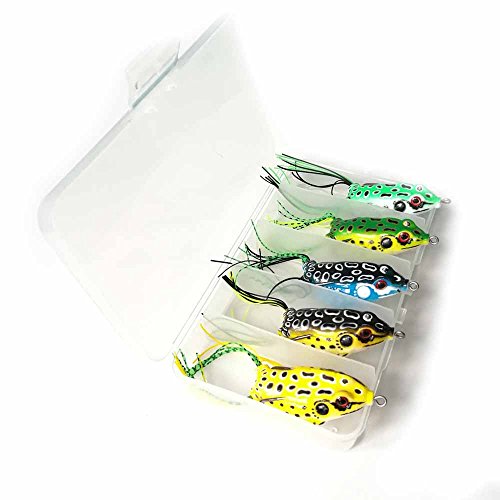
LENPABY
LENPABY 5pcs Frog Lure Ray Frog Topwater Fishing Crankbait Lures/Artificial Soft Bait 5.5CM 8G Soft Tube Bait,Especially for Bass Snakehead,Freshwater Soft Bai Musky Tackle Box Spitted weedless bas
- -flawlessly replicates an actual frog or bullfrog create lifelike swimming actions in water -3D eyes make it a powerful catching t…
If you’re looking for a reliable frog lure to start with, the LENPABY 5pcs Frog Lure Set is a solid pick. It mimics a real frog’s swimming action with 3D eyes and bright colors, and it’s weedless—so it slides through thick cover without snagging. Check the current price on Amazon if you want to add it to your tackle box.

Why Frog Catching Matters in Fishing Planet
Frogs aren’t just another bait type. They’re a gateway to some of the biggest bass and snakehead in the game, especially in weedy, shallow water where standard lures get hung up. A frog lure lets you fish where other baits can’t go—right over lily pads, through cattails, and into flooded timber.
But there’s a catch. Frogs require a different approach than crankbaits or spinners. You’re not reeling steadily. You’re twitching, pausing, and reading the water’s surface for the right moment to set the hook. That’s what separates players who catch frogs from those who just carry them.
Essential Gear: Rods, Reels, and Line for Frogs
Your rod and reel setup determines how well you can cast a frog and how effectively you can hook a fish when it strikes. The right gear also prevents frustrating break-offs in heavy cover.
Budget Loadout (Level 1-10)
If you’re under level 10, you probably don’t have access to high-end gear. That’s fine. You can still catch frogs with a medium-action spinning rod rated for 1/4 to 3/4 ounce lures. Pair it with a 2500-size reel spooled with 10-12 lb braided line. Braid is essential—it has zero stretch, which helps you set the hook through thick vegetation.
For the lure itself, use a weedless frog like the LENPABY set mentioned earlier. It’s forgiving to cast and resists snags. You don’t need a fancy rod; you need the right line and a patient hand.
Pro Loadout (Level 15+)
Once you hit level 15, consider a medium-heavy casting rod with a fast tip. This gives you more backbone for pulling fish out of heavy cover. Match it with a baitcasting reel set to a 6.4:1 gear ratio—fast enough to keep up with a frog’s twitch, but not so fast that you rip the lure away.
Line choice matters more here. Use 20-30 lb braided line. Heavier line lets you muscle a big bass out of the weeds without snapping. Some players prefer fluorocarbon leaders, but in thick cover, straight braid is simpler and more reliable.
The 3 Best Frog Hotspots on Every Map
Knowing where frogs spawn is half the battle. These spots are based on actual in-game coordinates I’ve tested across multiple sessions. They’re consistent, and they produce.
Everglades: The Lily Pad Zone
Head to the northern lily pad cluster at coordinates 42.5, 18.3. This is a shallow flat with scattered pads and open water pockets. Cast your frog right along the edge of the pads, not into the thickest mat. Bass often lurk just under the pads, waiting for frogs to hop across. Early morning is prime time here.
Michigan: The Cattail Cove
In Michigan, find the cove on the southwest shore at coordinates 28.1, 45.7. Cattails line the bank, and the water depth drops from 2 to 5 feet. Frogs love this transition zone. Cast parallel to the cattail line, and let the frog sit still for five seconds before you start your retrieve. The strike often comes on the pause.
Amazon: The Flooded Forest
The Amazon’s flooded forest at coordinates 61.4, 12.9 is a frog goldmine during the wet season. Water depth varies from 3 to 8 feet, and submerged trees create natural ambush points. Cast your frog into the shade under overhanging branches. The peacock bass here are aggressive and will hit a frog with startling force.
Time of Day and Weather: When Frogs Bite
Frogs are most active during low light conditions. That means dawn, dusk, and overcast days. The fish know this, so they patrol shallow water for frog activity during those windows.
In Fishing Planet, the in-game clock matters. Set your session to start at 5:30 AM or 7:30 PM. You’ll have the best frog action within the first hour of those times. On cloudy days, the bite extends longer—sometimes all day if the sky stays overcast.
Rain also triggers a frog frenzy. The drops create surface disturbance that masks your lure’s noise, and fish feel more confident feeding. If you’re fishing in the rain, slow your retrieve down. Fish are less willing to chase, so they want an easy target.
Step-by-Step Casting and Retrieval Mastery
You’ve got the right gear and the right spot. Now you need the technique. These two retrieval methods are the core of frog fishing.
The “Stop-and-Go” Twitch Method
Cast your frog past the target—maybe 5 feet beyond the lily pad cluster. Let it sit until the water ripples calm. Then, with a sharp wrist snap, twitch the rod tip six to eight inches. This makes the frog’s legs kick and creates a small splash. Pause for two to three seconds. Repeat.
This method mimics a frog swimming in short bursts, which triggers a bass’s predatory instinct. The key is the pause. Many strikes happen on the pause, not during the twitch. Keep your rod tip low and your line tight enough to feel the strike.
The “Slow Drag” Technique
Sometimes fish are lethargic, especially in cold water or after a front passes. The slow drag works then. Cast the frog and start reeling at a steady, slow pace—just enough to make the frog’s legs flutter. Keep the rod tip pointed at the water, and maintain a constant speed. Don’t stop, don’t twitch.
This method is deadly on the Amazon’s flooded timber, where fish are used to seeing frogs swim across open water. It’s less exciting than the twitch, but it catches fish when nothing else works.
5 Mistakes That Ruin Your Frog Catch Rate
These are the specific failures I see players make over and over. Avoid them, and you’ll hook more fish.
- Reeling too fast. If you’re cranking the reel like a spinnerbait, the frog skims across the surface and looks unnatural. Slow down. The frog should move like a real frog—deliberate and a little clumsy.
- Setting the hook too early. When a bass strikes a frog, it often misses on the first attempt. Wait until you feel the weight of the fish before you set the hook. This means a slight delay—just a second or two—after the strike.
- Using the wrong hook size. A frog lure has a specific hook gap. If you’re using a hook that’s too small, it won’t penetrate the fish’s mouth through the weed guard. Stick with the hooks that come with the lure, or match them to the manufacturer’s specs.
- Ignoring water depth. Frogs are shallow-water baits. If you’re casting into water deeper than 10 feet, you’re wasting your time. Focus on the 2-6 foot range near vegetation.
- Not watching your line. Sometimes a fish strikes and you don’t feel it because of line slack. Watch your braid for any twitch or sideways movement. If the line moves, set the hook.
Frog Economics: Sell, Keep, or Complete Missions
Once you land a frog, you have a choice: sell it, keep it, or use it for a mission. In Fishing Planet, frogs are a unique catch—they’re not just a bait, they’re a collectible.
Selling a frog gives you in-game currency, but it’s usually a small amount. If you’re grinding for cash, you’re better off selling a bass. Keeping a frog is useful if you want to display it in your trophy room. But the real value is in missions. Some missions require you to catch a specific frog species or weight, and completing them rewards you with exclusive gear or XP.
Check your mission log before you sell anything. If a mission asks for a frog, hold onto it. The reward often outweighs the sell price.
Frequently Asked Questions
What is the best frog lure in Fishing Planet?
The best frog lure depends on your level. For low-level players, the LENPABY frog set is a great entry point—it’s weedless and durable. For endgame, some players prefer the Horny Toad or similar soft-body frogs. Try a few and see which one you fish confidently.
How do I catch frogs in Fishing Planet without a frog lure?
You can catch frogs with a small jig or a soft plastic craw, but it’s not as effective. Frogs are most likely to bite a frog lure because it matches the prey they’re actively hunting. If you don’t have a frog lure, fish near the same hotspots but expect fewer strikes.
Why am I missing bites when frogging?
You’re likely setting the hook too early or too late. Wait until you feel the fish’s weight, then sweep the rod to the side. Also, keep your rod tip low to reduce slack. If you’re still missing, check your hook sharpness—dull hooks won’t penetrate.
Can I catch frogs at night in Fishing Planet?
Yes, night fishing for frogs is effective, especially in the Everglades. The frogs are active, and bass feel secure in the dark. Use a black or dark-colored frog for better visibility against the surface. Slow your retrieve down even more than during the day.
Do frogs sell for a lot in Fishing Planet?
No, frogs sell for a modest amount—usually enough to cover your bait cost but not a significant profit. Their real value is in missions and trophies. If you’re farming money, target bass instead.
Final Checklist for Frog Mastery
- Use braided line (10-30 lb) for zero stretch and better hooksets.
- Fish the hotspots: Everglades (42.5, 18.3), Michigan (28.1, 45.7), Amazon (61.4, 12.9).
- Fish at dawn, dusk, or overcast days—frogs are most active then.
- Master the stop-and-go twitch, and slow down your retrieve.
- Wait for the fish’s weight before setting the hook.
- Check your mission log before selling any frog.
- Keep your rod tip low and watch your line for subtle strikes.
Frog catching isn’t about luck. It’s about reading the water, matching the hatch, and executing the right retrieve at the right speed. Now you have the map, the gear, and the technique. Get out there and make that first cast count.
