You’ve planned your fishing trip for days. The forecast looked perfect — mild temps, clear skies. Then you step outside and the flag on the dock is whipping straight out. The water has turned into a choppy mess, and your first cast lands in a whitecap. Do you stay or pack it in?
Wind is one of the most underrated factors in fishing. It can ruin a day on the water or make it unforgettable, depending on how you handle it. This guide breaks down exactly how much wind is too much for fishing, what each wind speed range means for your boat control, casting, and fish behavior, and how to adjust your tactics so you’re not just fighting the elements.
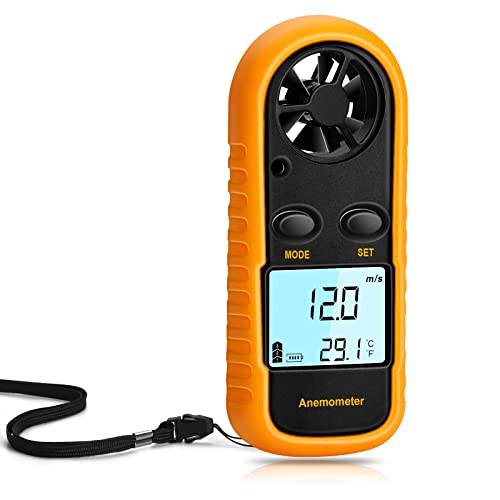
Clatoon
Clatoon Anemometer Handheld, Light Weight Digital Wind Speed Meter | Wind Speed Temperature Gauge with Digital LCD Display for Kite Flying, Meteorology, Fishing, Surfing
- Multi-function Anemometer: Accurately measure wind speed, wind temperature, air volume and wind chill (<0°C will be displayed), wi…
- Wide Range Of Applications: Digital anemometers are splendid for home use such as kite flying, drones, sailboats, hang gliding and…
- Professional Digital Anemometer: The digital wind guage can accurately measure wind speed in the range of 0 to 65 mph (0 to 30m/s)…
You’ll walk away knowing your personal wind limit, how to read conditions like a pro, and when to call it quits for safety. No fluff — just practical numbers and real-world advice.
One tool that makes a real difference is a handheld anemometer like the Clatoon Anemometer Handheld. It measures wind speed in mph, knots, and other units, so you can check conditions on the spot instead of guessing. It also reads wind temperature and wind chill, which helps you dress right for a long day on the water.

Wind Speed Ranges: What Each Level Actually Feels Like
Wind speed is measured in miles per hour (mph) or knots. Most anglers think in mph, but marine forecasts often use knots. One knot equals about 1.15 mph. Keep that in mind when checking the weather.
Here’s a breakdown of what each wind range feels like on the water:
- 0–5 mph (0–4 knots): Calm. Water is glassy or lightly rippled. Great for sight fishing, but fish can be spooky because they see you clearly. Use lighter lures and longer casts.
- 6–10 mph (5–9 knots): Light breeze. Small ripples on the water. This is prime fishing weather — the surface disturbance hides your presentation, and fish tend to feed more actively. Most anglers would call this ideal.
- 11–15 mph (10–13 knots): Moderate wind. Whitecaps start appearing on larger lakes and bays. Boat control gets harder, especially in smaller boats. Casting accuracy drops, but fishing is still doable if you adjust.
- 16–20 mph (14–17 knots): Fresh breeze. Consistent whitecaps, waves of 2–3 feet. Anchor or drift control becomes a challenge. Only experienced anglers in sturdy boats should attempt this.
- 21+ mph (18+ knots): Strong wind. Waves over 3 feet, constant spray, dangerous conditions for small craft. This is too much for most fishing, period.
So how much wind is too much for fishing? For most anglers in a bass boat or a 16-foot aluminum, the cutoff is around 15 mph. In a larger offshore boat, you might push 20 mph, but that’s a different game.
How Wind Affects Fish Behavior (And Where They Go)
Wind doesn’t just mess with your casting — it changes where fish hold and how they feed. Understanding that is the difference between a skunk and a limit.
Wind pushes baitfish — and predators follow
Wind creates surface currents. Those currents push plankton, baitfish, and insects toward the downwind shore. Predatory fish like bass, stripers, and walleye know this. They move into the windward bank (the side the wind is blowing toward) to ambush the concentrated bait.
So on a windy day, fish the windward side of the lake or the bank where the wind is blowing. That’s where the action is. The leeward bank (the sheltered side) might be calmer, but it’s often dead because the bait has been blown away.
Wind oxygenates the water and triggers feeding
Wind stirs the water surface, increasing oxygen levels. That oxygen boost makes fish more active and aggressive. In summer, when oxygen can get low in deeper water, a windy day can turn on the bite. This is why some of your best fishing days happen when it’s breezy.
Wind affects your presentation
Wind creates water movement, which can work for or against you. On one hand, it gives your lure natural action — a crankbait or spinnerbait will vibrate more in choppy water. On the other hand, it makes line control harder. You’ll feel more resistance on the line, which can reduce sensitivity.
To counter that, use heavier lures or add weight. A 1/4-ounce lure that works in calm water might need to be a 3/8-ounce in a 12 mph wind. You want to maintain bottom contact and feel the bite.
Boat Control in Wind: Anchoring, Drifting, and Trolling
Wind is a bigger enemy to boat control than most anglers admit. It pushes you off your spot, messes with your drift, and makes trolling a pain. Here’s how to manage it.
Anchoring in wind
Anchoring in wind requires more scope (the ratio of anchor line length to water depth). In calm conditions, a 3:1 scope works. In 10–15 mph wind, you need 5:1 or 7:1. That means in 20 feet of water, you’re letting out 100–140 feet of line. If you don’t have that much line, you’ll drag.
Use a heavier anchor than you think you need. A 5-pound anchor for a 14-foot boat is fine in calm water, but in 15 mph wind, you’ll want 8–10 pounds. Also, set the anchor upwind of your spot so the boat swings back into position.
Drifting in wind
Wind drift can be a blessing for covering water, but it’s tricky to control. The key is using a drift sock (a parachute-like device) to slow your drift. Without one, you might blow across a flat in seconds, missing the strike zone. A drift sock also keeps your boat oriented properly, so your line doesn’t drag behind you.
If you’re drifting with the wind, cast into the wind (upwind) and let your lure swing back toward the boat. This gives you a natural presentation and keeps your line taut.
Trolling in wind
Trolling in wind is all about maintaining speed and direction. Wind can push your boat faster or slower than your trolling motor setting. Use your GPS speed to adjust. If the wind is pushing you at 1.5 mph and you want to troll at 1.0 mph, you need to troll into the wind or use a trolling plate.
Also, be aware of wind direction relative to your trolling lines. Crosswind trolling can cause your lines to tangle. Try to troll with the wind or into it, not perpendicular.
Practical Wind Speed Decision Table
Here’s a quick reference to help you decide if you should head out. This table is based on typical boat sizes and angler experience levels.
| Wind Speed (mph) | Water Condition | Fishing Feasibility | Recommended Action |
|---|---|---|---|
| 0–5 | Calm, glassy | Good, but fish spooky | Use light line, long casts, subtle lures |
| 6–10 | Light ripples | Excellent — optimal bite | Fish windward banks, use moving baits |
| 11–15 | Small whitecaps | Doable with adjustments | Heavier lures, drift sock, anchor with more scope |
| 16–20 | Consistent whitecaps, waves 2–3 ft | Challenging — experienced only | Use large boat, stay close to shore, wear PFD |
| 21+ | Large waves, spray | Unsafe — stay home | Wait for calmer day or fish sheltered spots |
This table is a guideline. Your boat size, skill level, and the specific water body matter. A 20 mph wind on a small pond is different from a 20 mph wind on a large reservoir. Use your judgment.
Safety First: When Wind Becomes a Real Danger
Wind isn’t just an inconvenience — it can be life-threatening. Here are the red flags that mean it’s time to head in:
- Waves over 3 feet: In a small boat, these can swamp you. Even in a larger boat, they make casting and handling difficult.
- Wind gusts exceeding 25 mph: Gusts can catch you off guard, especially when you’re near shore or in a narrow channel.
- Thunderstorms in the forecast: Wind often precedes a storm. If you hear thunder, get off the water immediately.
- Difficulty controlling the boat: If you’re fighting the wheel or the anchor won’t hold, that’s your cue to leave.
Always check the marine forecast before you go. Pay attention to wind advisories. A small craft advisory means winds of 21–33 knots (24–38 mph) — that’s too much for most recreational fishing.
Also, wear a life jacket. In windy conditions, overboard incidents happen faster than you think. A PFD is non-negotiable.
FAQ: Common Wind and Fishing Questions
Is 10 mph wind good for fishing?
Yes, 10 mph wind is excellent for fishing. It creates ripples that hide your line and lure, and it pushes baitfish toward the windward shore, concentrating predators. Many seasoned anglers prefer 10–12 mph over dead calm days because the fish are less wary and more active.
Is 15 mph wind too strong for fishing?
Not necessarily, but it’s borderline. In a 15 mph wind, you’ll have small whitecaps and waves up to 2 feet. A 16-foot or larger boat can handle it, but you’ll need to adjust your casting and anchoring. If you’re in a kayak or a small jon boat, 15 mph is pushing it — you might want to stay close to shore or pick a sheltered cove.
Is 20 mph wind too much for fishing?
For most anglers, yes. 20 mph wind creates 3-foot waves and constant spray. Boat control becomes a struggle, and safety risks increase. Only experienced captains in large offshore boats should consider it, and even then, only if the wind is offshore and the water isn’t too rough. Otherwise, reschedule.
How do I fish in windy conditions?
Use heavier lures to maintain casting accuracy and bottom contact. Fish the windward bank where bait accumulates. Use a drift sock to control your drift speed. Anchor with more scope. And consider a wind-resistant setup like a Carolina rig or a weighted swimbait.
Does wind affect fishing in saltwater?
Absolutely. In saltwater, wind affects tide movement, baitfish location, and water clarity. Onshore winds push water and bait toward shore, which can trigger a feeding frenzy. Offshore winds can make water clearer but also push bait away. In the surf, wind can create rough conditions that make casting difficult. For saltwater, the same wind speed guidelines apply, but you also need to consider tide and current.
Final Thoughts: Know Your Limit, Then Push It a Little
- For most anglers, 6–10 mph is the sweet spot — fish feed actively, and conditions remain manageable.
- When wind exceeds 15 mph, adjust your tactics: heavier lures, drift socks, and anchor with more scope.
- Always fish the windward bank — that’s where the bait and predators are.
- Use a handheld anemometer to check conditions on the spot, so you’re not guessing.
- Safety first: if waves exceed 3 feet or gusts hit 25 mph, head in. A fishing day isn’t worth your life.
- Wind can be your ally if you understand it. Don’t cancel your trip just because it’s breezy — adapt and catch more fish.
Now get out there, check the wind, and make the call. Tight lines.