Deep Sea Fishing Rod Price Ranges: Quick Answer
You’ve priced a charter trip, booked the boat, and now you’re staring at a wall of rods at the tackle shop. Some cost $40. Some cost $700. The guy next to you says you need the expensive one, but he also owns three boats, so maybe don’t listen to him.
Here’s the straight answer: a decent deep sea fishing rod costs between $80 and $250. Entry-level saltwater rods run $40 to $80. Serious offshore gear—the kind you’d use for tuna or marlin—starts around $300 and goes past $800. That’s for the rod alone, not the reel.

Fiblink
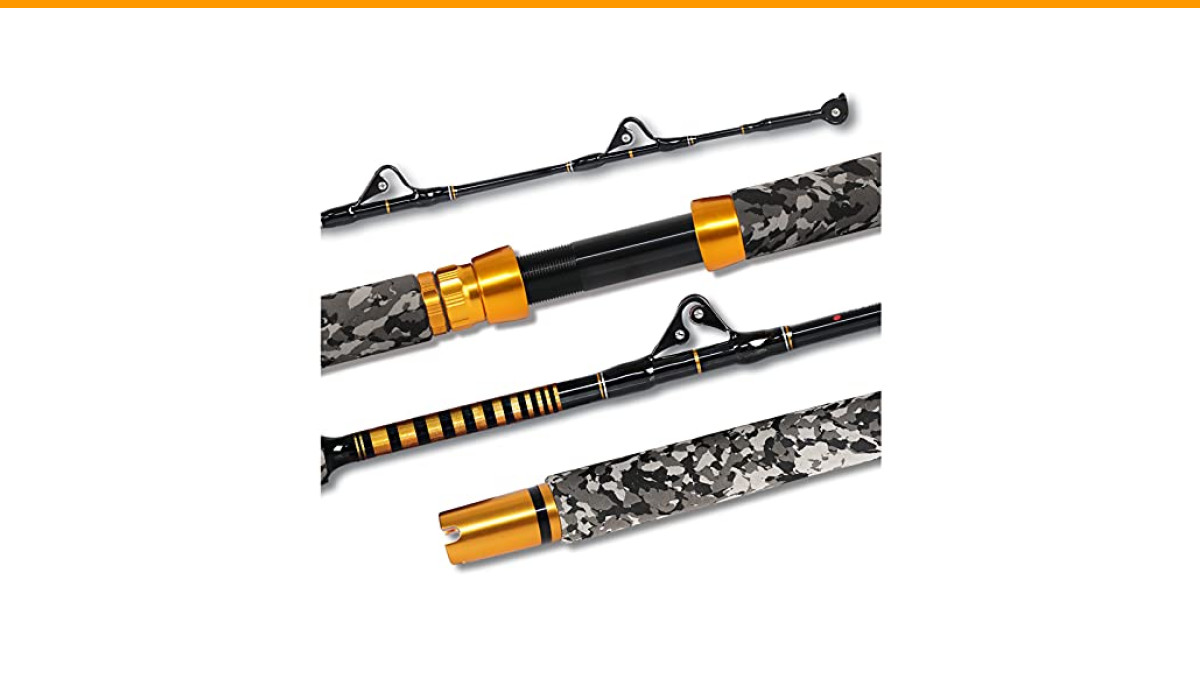
Fiblink 1-Piece Saltwater Offshore Trolling Rod 6-Feet Big Game Rod Conventional Boat Fishing Pole (80-120 lbs)
- Solid Construction: Solid E-glass graphite composite blanks offer incredible pulling power, strong and structurally enhanced solid…
- Stainless Steel Rollers: Smooth polished line protecting stainless steel roller guides, wear free line flow, and providing saltwat…
- Non Slip Camouflage EVA Handle: Heavy duty and easily maintained EVA grip gives greater sensitivity and durability; camouflage han…
This article breaks down exactly what you get at each price point, what drives the cost, and where you can safely cut corners. You’ll walk away knowing how to budget for your first (or next) offshore setup without overpaying.
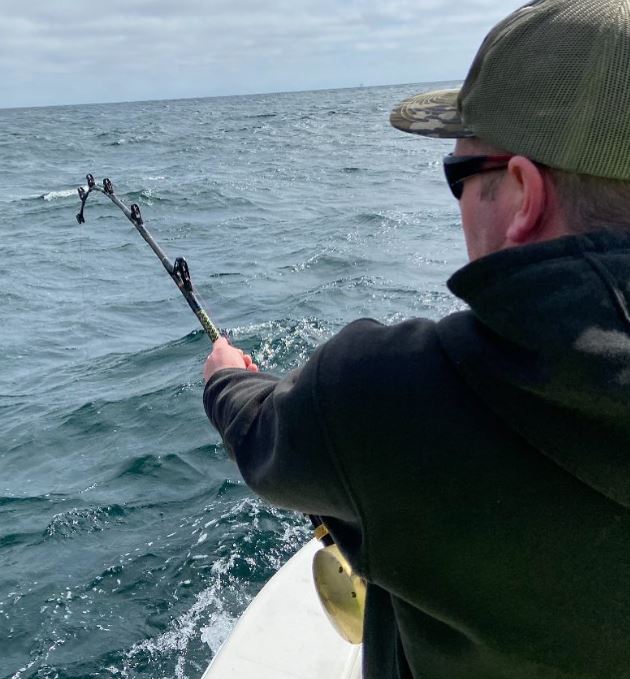
If you’re planning a big game trip and want a solid conventional trolling rod without breaking the bank, the Fiblink 1-Piece Saltwater Offshore Trolling Rod fits the $80–$120 range. It’s a 6-foot IGFA-style standup rod rated for 80–120 lb line, with stainless steel roller guides and an aluminum reel seat. Good option for wahoo, yellowfin, or bottom dropping on a budget.
Breaking Down Costs by Rod Type (Trolling, Jigging, Deep Drop)
Not all deep sea rods are created equal. The price depends heavily on what you’re doing with it. Here’s the real-world breakdown.
Trolling Rods: $50–$500+
Trolling rods are built to sit in a rod holder and drag a lure or bait behind the boat. They need backbone, not finesse. Most are made of fiberglass or a graphite composite, and they range from heavy conventional rods to massive bent-butt models used on big game boats.
Entry-level trolling rods (like the Fiblink mentioned above) cost $50 to $120. They’re thick, heavy, and a bit clunky, but they’ll handle 50–80 lb line and most offshore species without complaint. Mid-range options from Penn or Shimano run $150 to $300 and shave off weight while adding better guides and reel seats.
Premium trolling rods—custom builds or top-tier brands like Talica or Tiagra—can hit $500 or more. You’re paying for lighter materials, better balance, and components that survive years of saltwater abuse. For most weekend anglers, the $100–$200 sweet spot is plenty.
Jigging Rods: $80–$400
Jigging is a different beast. You’re actively working a metal jig up and down, feeling every bump and bite. That demands a rod with sensitivity—you need to feel the bottom and the fish. Graphite or carbon composite blanks dominate here.
Budget jigging rods start around $80. They’re stiff and heavy, which makes slow jigging a workout. Mid-range options ($150–$250) from Daiwa or Shimano use better carbon blanks that cut weight and transmit more vibration. High-end jigging rods from brands like Carpenter or Smith run $300–$400, and they’re featherlight with incredible action.
Honest advice: if you’re new to jigging, start with a $100–$150 rod. You’ll learn the technique without spending a fortune, and you can upgrade once you know what you actually need.
Deep Drop Rods: $100–$600
Deep dropping for tilefish, grouper, or swordfish means fishing in 300 to 1,500 feet of water. You need a rod that can handle heavy sinkers (16–32 oz) and still fight a fish that’s pulling straight up. These rods are usually short (5–6 feet) with a bent butt for leverage.
Entry-level deep drop rods cost $100–$200. They’re typically fiberglass or composite, with heavy roller guides to protect the line. Mid-range options ($200–$350) add better components and a lighter blank. The premium tier ($400–$600) includes electric reel rods and custom builds that reduce fatigue during long fights.
One thing to note: deep drop rods are often paired with electric reels, which cost $500–$2,000 on their own. If you’re chartering, the boat usually provides this gear. If you’re buying, budget for the full setup.
What Drives the Price? Materials, Components, and Brand
Three things determine a rod’s price: the blank, the guides, and the reel seat. Brand markup matters too, but less than you’d think.
Blank material. Fiberglass is cheap, durable, and heavy. It’s perfect for trolling rods where weight doesn’t matter. Graphite or carbon composite is lighter and more sensitive, but it costs more and can be brittle if you slam it in a rod holder. E-glass graphite composites (like the Fiblink uses) split the difference—strong and affordable, with decent sensitivity.
Guides. Stainless steel roller guides are standard on big game rods because they reduce friction and prevent line wear. They cost more than ceramic or aluminum oxide guides, but they’re essential for heavy line and long fights. Cheaper rods use standard ring guides that can crack under pressure.
Reel seat. Aluminum alloy seats with locking hoods are the industry standard for offshore rods. They hold the reel securely and won’t corrode. Plastic seats are fine for light tackle but can strip out under heavy loads.
Brand doesn’t matter as much as you’d think. A $150 Penn rod and a $150 house-brand rod from a tackle shop are often made in the same factory. You’re paying for the name and the warranty. That’s not worthless—Penn and Shimano stand behind their products—but don’t assume a higher price means better quality.
Budget vs. Premium: A Cost-Per-Fish Analysis
Here’s the question nobody asks: how many fish will you actually land with each rod? That’s the real metric.
A $100 trolling rod will land 90% of the fish a $500 rod will, assuming both are rated for the same line class. The difference is in comfort, durability, and how they feel during a 30-minute fight. The premium rod is lighter, so your arms don’t burn out. It has better guides, so your line doesn’t fray. It’s built tougher, so it survives years of charters.
But if you fish offshore twice a year, the $100 rod is the smarter buy. You’ll save $400, and you won’t notice the difference on a 20-pound mahi. If you fish every weekend, the premium rod pays for itself in reduced fatigue and fewer replacement rods.
Here’s a simple table to help you decide:
| Rod Type | Entry Price | Mid-Range | Premium | Best For |
|---|---|---|---|---|
| Trolling | $50–$120 | $150–$300 | $500+ | Weekend charters, casual offshore |
| Jigging | $80–$150 | $150–$250 | $300–$400 | Sensitive bottom contact, active fishing |
| Deep Drop | $100–$200 | $200–$350 | $400–$600 | Heavy sinkers, electric reels, big grouper |
Don’t overthink the brand. Match the rod to the fish you’re chasing and the number of trips you take per year.
The True Cost of Ownership: Maintenance and Repairs
A rod’s price tag is just the start. Saltwater destroys gear, and you’ll spend money keeping it alive.
Rinse every rod with fresh water after each trip. That’s free. But eventually you’ll need to replace guides (especially roller guides that seize up), rewrap thread, or fix a cracked reel seat. A single guide replacement costs $15–$30 if you do it yourself, $40–$60 at a shop. A full rewrap runs $50–$100.
Corrosion is the biggest killer. Saltwater gets into the reel seat and corrodes the threads, making it impossible to remove the reel. You can prevent that with a light coat of reel grease on the threads, but if it seizes, a new reel seat costs $20–$50 plus labor.
Rod tubes and cases cost $30–$80 and are worth it if you travel. A broken rod on a flight is a $200 mistake you could’ve avoided with a $40 tube.
Realistic annual maintenance for a rod you use 10 times a year: $20–$50 for minor parts and cleaning supplies. That’s not bad, but it’s not zero.
How to Save Money: Buying Used, Sales, and Full Setup Budgeting
Used rods can be a steal, but you have to know what to look for. Here’s how to avoid getting scammed.
- Inspect the blank. Run your hand along the entire length. Any crack, splinter, or soft spot means the rod is compromised. Walk away.
- Check the guides. Look for cracks, rust, or worn inserts. Roller guides should spin freely. Replacing one guide is fine; replacing five is a dealbreaker.
- Test the reel seat. Thread a reel on and tighten it. If it slips or feels gritty, the threads are gone.
- Ask about the line rating. A rod rated for 80 lb line won’t work for 20 lb jigging. Make sure it matches your reel.
- Meet in person. Never buy a used rod sight unseen unless you trust the seller completely. Shipping bends and cracks things.
Sales are another way to save. Big box stores and online retailers discount rods in the fall, after the offshore season ends. Look for last year’s models—they’re identical to the new ones but 20–30% cheaper.
Now the hidden cost: the reel. A $150 rod is useless without a reel, and a decent offshore reel costs $150–$400. Line, leaders, and tackle add another $50–$100. So a full setup—rod, reel, line, and terminal tackle—runs $350–$700 for entry-level gear. Budget for the whole package, not just the rod.
If you’re on a tight budget, consider a deep sea fishing rod and reel combo. They’re often $100–$200 and come pre-spooled. The quality is lower, but it gets you on the water.
Rent vs. Buy: What Makes Sense for Your Fishing Style
Charter boats almost always include rods and reels in the trip price. So why buy your own?
If you fish offshore once or twice a year on charters, renting is the smart move. You pay nothing extra, you don’t have to maintain gear, and you get to try different setups without committing. The downside is you’re using worn, mediocre equipment that’s seen 200 trips.
If you fish more than three times a year, or you want to practice casting and jigging on your own boat, buying makes sense. The break-even point is usually around three to five trips. After that, your own gear pays for itself.
There’s also a middle path: buy a cheap rod for practice and rent premium gear for special trips. That way you learn the technique without a big investment.
Frequently Asked Questions About Deep Sea Rod Costs
Can I use a freshwater rod for deep sea fishing?
You can, but you shouldn’t. Freshwater rods aren’t built for saltwater corrosion, and they lack the backbone for heavy line and big fish. A freshwater rod rated for 12 lb line will snap on a 30 lb tuna. Spend the $80 on a proper saltwater rod.
What’s the difference between a conventional and spinning deep sea rod?
Conventional rods use a casting reel that sits on top, and they’re favored for trolling and deep dropping because they handle heavy line and leverage well. Spinning rods are easier to cast and work better for lighter tackle and jigging. For most offshore applications, conventional is the standard, but spinning has its place.
How long should a deep sea fishing rod be?
For trolling, 5.5 to 6.5 feet is typical. For jigging, 5 to 6 feet gives you leverage. For deep dropping, 5 to 6 feet with a bent butt. Longer rods (7 feet) are rare in offshore fishing because they’re harder to manage on a boat. Match the rod length to the technique, not the other way around.
Do I need a bent butt rod for big game fishing?
Only if you’re fighting fish over 200 pounds from a fighting chair or standup harness. The bent butt helps you brace the rod against your body and reduces fatigue. For most fish under 100 pounds, a straight butt is fine and easier to store.
What line rating should I look for?
Match the rod’s line rating to the fish you’re targeting. For mahi and tuna up to 50 pounds, 30–50 lb line is plenty. For yellowfin and wahoo, 50–80 lb. For marlin and big tuna, 80–130 lb. The rod’s rating is a guideline—using lighter line than rated is okay, but heavier line can break the rod.
Final Verdict: Spend Smart, Not Expensive
You don’t need a $500 rod to catch fish. You need a rod that matches your target species, your skill level, and your trip frequency.
- Start with a $100–$150 trolling or jigging rod if you’re new. The Fiblink is a solid choice.
- Match the rod’s line rating and length to your reel and target fish. Don’t wing it.
- Inspect used rods carefully for cracks, corrosion, and worn guides before buying.
- Budget for the full setup—rod, reel, line, and tackle—not just the rod.
- Rinse your gear after every trip to avoid corrosion costs down the road.
- Buy last year’s models or shop fall sales to save 20–30%.
- If you fish less than three times a year, rent instead of buying.
The best rod is the one you can afford to fish with. Buy smart, take care of it, and it’ll take care of you.