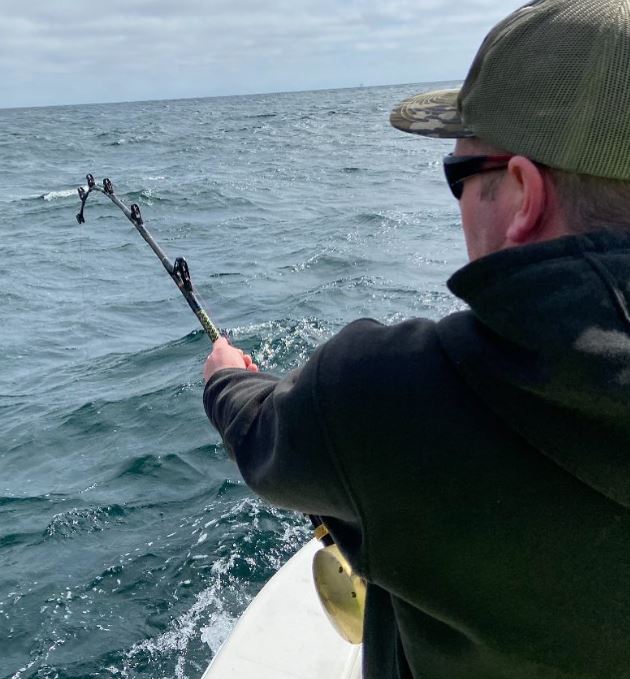
You booked a 4-hour deep sea fishing trip, but the boat didn’t leave the dock until 45 minutes after your scheduled departure. Then it took another 40 minutes to reach the fishing grounds. By the time the captain cut the engines, you had maybe two and a half hours of actual fishing time. That’s the reality most people don’t see in the brochure.
This guide breaks down the real time commitment for every type of charter—from quick half-day trips to full-day marathons. You’ll learn how transit time eats into your fishing hours, how your target species changes the schedule, and what you should book based on your group’s experience level. No fluff, just the math that matters.

Fiblink
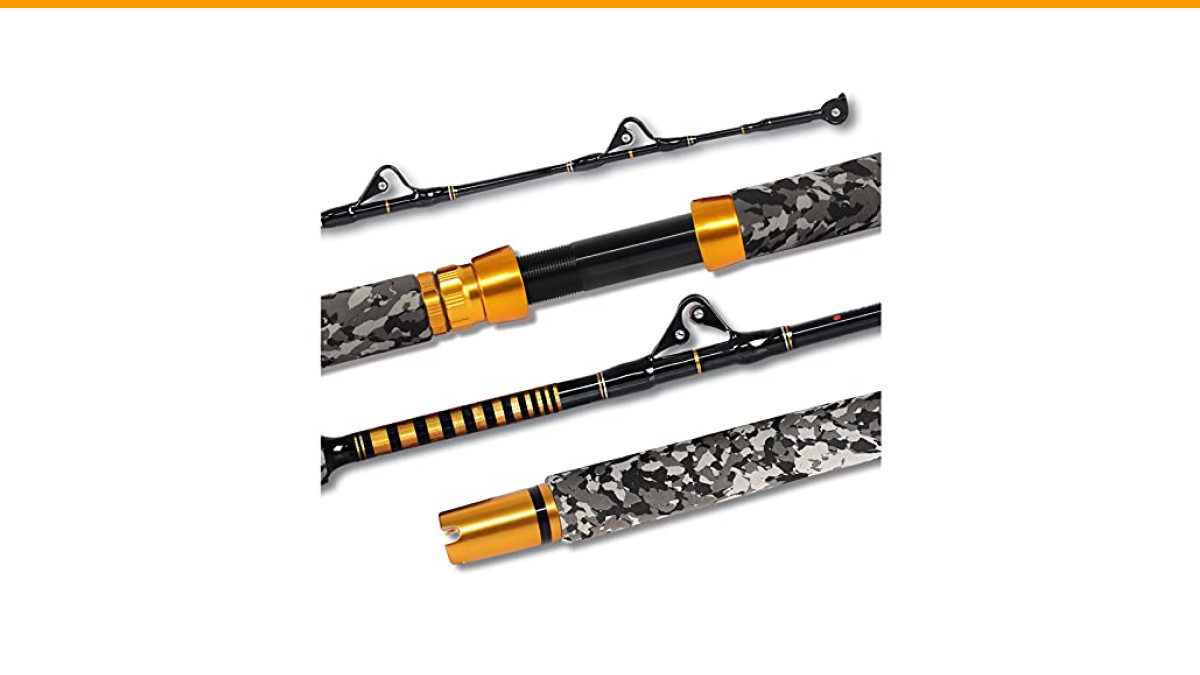
Fiblink 1-Piece Saltwater Offshore Trolling Rod 6-Feet Big Game Rod Conventional Boat Fishing Pole (80-120 lbs)
- Solid Construction: Solid E-glass graphite composite blanks offer incredible pulling power, strong and structurally enhanced solid…
- Stainless Steel Rollers: Smooth polished line protecting stainless steel roller guides, wear free line flow, and providing saltwat…
- Non Slip Camouflage EVA Handle: Heavy duty and easily maintained EVA grip gives greater sensitivity and durability; camouflage han…
If you’re planning your first trip, having the right gear matters just as much as the schedule. A solid setup like the Fiblink 1-Piece Saltwater Offshore Trolling Rod gives you the backbone to handle whatever hits the line without worrying about your equipment failing mid-fight.
The Short Answer: It Depends on the Boat and the Fish
A deep sea fishing trip runs anywhere from 4 to 12 hours. That’s the honest range. But the number on the booking page rarely matches the time you actually spend with a line in the water.
The biggest factor is distance. A half-day trip might only go 5 to 10 miles offshore. A full-day charter targeting tuna or marlin could run 30 to 50 miles out, sometimes following the Gulf Stream for hours. Every mile adds transit time, and that’s time you’re not fishing.
The second factor is the fish themselves. Bottom fishing near structure produces action within minutes. Trolling for pelagic species means waiting for a strike, sometimes for hours with no action. Your captain’s job is to put you on fish, but no one controls the ocean.
Breaking Down the Standard Charter Durations
Charter fleets stick to a few standard trip lengths. Here’s what each one actually includes.
Half-Day Trips (4-6 Hours): The Taster Session
This is the most common option for tourists and first-timers. You’ll leave the dock early morning or in the afternoon, run 5 to 15 miles offshore, and fish for 3 to 4 hours.
Expect to target snapper, grouper, or mackerel over reefs and wrecks. The action can be steady, but you won’t chase big game. A half-day trip works well if you want to test the waters without committing a full day.
The downside: you lose 30 to 60 minutes just getting to the grounds. On a 4-hour trip, that’s a significant chunk. Some captains factor this into the advertised time; others don’t. Ask when you book.
Three-Quarter Day Trips (6-8 Hours): The Sweet Spot
This is the best value for most anglers. You get enough time to reach more productive offshore structure, fish multiple spots, and still get back to the dock at a reasonable hour.
On a 7-hour trip, you might spend 1.5 hours running out, fish for 4 to 5 hours, and run back. That’s a much better ratio than a half-day. You can also target a wider range of species, including amberjack and smaller tuna.
Three-quarter day trips are my personal recommendation for anyone who’s done a half-day and wants more. It’s not so long that fatigue ruins the experience, but it’s long enough to feel like a real offshore adventure.
Full-Day Charters (8-12 Hours): The Marathon
Full-day trips are serious business. You’re leaving before sunrise and coming back after sunset. These trips run 30 to 60 miles offshore and target apex predators like yellowfin tuna, wahoo, and sailfish.
The transit time can be brutal. A 12-hour trip might spend 3 to 4 hours just running. But the fishing can be spectacular, especially if you’re trolling the Gulf Stream where the current concentrates baitfish and the predators that follow them.
This is not a trip for beginners or anyone prone to seasickness. It’s physically demanding, and you’ll be exhausted by the end. But if you want a shot at a trophy fish, this is the only way to get it.
The Hidden Time Factor: Transit vs. Fishing Time
Here’s the math most people don’t do before booking. A 6-hour trip with a 45-minute run each way gives you 4.5 hours of fishing. That’s a 75% efficiency rate. A 4-hour trip with the same run gives you just 2.5 hours—62.5% efficiency.
Longer trips are more efficient because the transit time gets amortized over more fishing hours. That’s why the cost per hour of actual fishing time drops as trip length increases.
You should also ask the captain about the specific grounds. Some ports sit close to deep water; others require a long run. For example, a boat out of Fort Lauderdale can reach the Gulf Stream in 20 minutes, while a boat out of a Gulf Coast port might run an hour to find 100 feet of water.
| Trip Type | Total Duration | Transit Time (Round Trip) | Actual Fishing Time | Efficiency Rate |
|---|---|---|---|---|
| Half-Day | 4 hours | 1.5 hours | 2.5 hours | 62% |
| Three-Quarter Day | 7 hours | 1.5 hours | 5.5 hours | 79% |
| Full-Day | 10 hours | 3 hours | 7 hours | 70% |
| Full-Day (Distant) | 12 hours | 5 hours | 7 hours | 58% |
These numbers are typical, not universal. Your actual transit time depends on the boat’s speed, weather conditions, and distance to the fishing grounds. Always ask the captain for a realistic breakdown before you book.
How Target Species Dictate Your Time at Sea
Your target species is the single biggest determinant of trip length. Here’s how the fish dictate the schedule.
- Inshore species (redfish, trout, snook): 4-hour trips work fine. These fish live in bays and near-shore waters, so transit is minimal.
- Nearshore reef fish (snapper, grouper, mackerel): 4 to 6 hours is typical. You’re fishing in 30 to 120 feet of water, usually 5 to 15 miles out.
- Offshore pelagics (tuna, mahi-mahi, wahoo): 8 to 12 hours minimum. These fish roam open water, often along temperature breaks or current edges.
- Deep dropping (tilefish, barrelfish, snowy grouper): 6 to 10 hours. You’re fishing in 400 to 1,500 feet of water, which requires specialized electric reels and a lot of patience.
If you book a 4-hour trip, you’re almost certainly not going to catch a marlin. The captain won’t waste fuel running 40 miles for a species that needs hours of trolling. Match your expectations to the trip length, and you’ll have a much better day.
The Weather and Sea State Wildcard
Weather is the one factor no one controls. A forecast of 2-foot seas can turn into 5-foot rollers by mid-morning. When that happens, the captain has two choices: push on and risk a miserable trip, or head back early.
Most experienced captains will shorten the trip if conditions degrade. They’d rather give you a partial refund or a rain check than have you puking over the rail for four hours. That said, some will push through if the fishing is good. It’s a judgment call.
Wind is the bigger enemy than rain. A 15-knot wind creates chop that makes bottom fishing nearly impossible. Trolling is sometimes still productive because the boat’s movement creates action in the lures. But if the wind tops 20 knots, many captains won’t leave the dock at all.
Check the marine forecast the night before your trip. If it looks rough, call the charter company and ask about their cancellation policy. Most offer full refunds if they cancel, but you don’t want to lose money because you chose not to go.
A Practical Timeline: From Dock to First Bite
Here’s what a typical 6-hour morning trip looks like, minute by minute. This will help you plan your day and know what to expect.
- 5:30 AM: Wake up, eat a light breakfast (cereal, toast, fruit—nothing greasy).
- 6:15 AM: Take seasickness medication if you’re using Dramamine. Scopolamine patches should be applied 4 to 6 hours earlier, so put it on before bed.
- 6:45 AM: Arrive at the dock, meet the crew, load your gear.
- 7:00 AM: Boat departs. The captain gives a safety briefing and runs through the day’s plan.
- 7:45 AM: Arrive at the first fishing spot. Lines go in the water.
- 9:30 AM: First drift ends. The captain moves to a second spot.
- 11:00 AM: Lunch break. Most charters include sandwiches and drinks.
- 12:30 PM: Final drift. The captain starts heading back.
- 1:00 PM: Dock. Crew cleans your catch, and you tip the mates.
Notice the transit time in that schedule. You lost about 45 minutes each way. That’s normal, and it’s why a 6-hour trip feels more like 5 hours of actual fishing.
How to Choose the Right Duration for Your Group
The Beginner’s Dilemma: Sea Sickness and Stamina
If you’ve never been deep sea fishing, start with a half-day trip. Seriously. You don’t know how your body will react to offshore swells, and finding out 20 miles from shore is not the time to make that discovery.
Take seasickness medication the night before and again the morning of the trip. Dramamine makes most people drowsy, so try the non-drowsy formula or ask your doctor about scopolamine patches. The patch goes behind your ear and lasts up to three days, but it takes several hours to kick in. Plan accordingly.
Even if you don’t get seasick, a full-day trip is exhausting. The sun, the salt spray, and the constant motion wear you down. Kids under 12 usually struggle with anything over 6 hours. Keep them on shorter trips until they’re older.
The Angler’s Math: Cost Per Hour vs. Catch Rate
Here’s where the numbers get interesting. A half-day trip might cost $80 per person, a three-quarter day $120, and a full day $180. But the cost per hour of actual fishing time tells a different story.
A half-day at $80 for 2.5 hours of fishing costs $32 per hour. A full-day at $180 for 7 hours costs just $25.70 per hour. The full-day trip is objectively better value if you can handle the longer day.
Catch rates follow a similar curve. Offshore species like tuna migrate through an area over hours, not minutes. A half-day trip might miss the bite entirely, while a full-day trip gives you multiple windows of opportunity. You’re paying for time on the water, and more time means more chances.
That said, don’t book a full-day trip just for the math. If you’re exhausted and seasick by hour six, the last four hours are miserable. Match the trip length to your group’s experience and tolerance.
Frequently Asked Questions About Trip Length
What’s the difference between inshore, nearshore, and offshore fishing?
Inshore fishing happens in bays, estuaries, and within a few miles of shore. Nearshore fishing targets reefs and wrecks in 30 to 150 feet of water, usually 5 to 20 miles out. Offshore fishing means open water beyond 20 miles, often following the Gulf Stream in 300 to 1,500 feet of water. Trip lengths follow this progression: 4 hours for inshore, 4 to 6 for nearshore, and 8 to 12 for offshore.
Do I need a fishing license for a charter trip?
No. The charter boat’s license covers all passengers. You don’t need to buy a separate license, but you do need to follow catch limits and size restrictions. The captain or mates will tell you what you can keep.
How much should I tip the crew?
Standard practice is 15 to 20% of the trip cost, split between the captain and mates. If the crew fillets your catch, cleans the boat, and helps you land fish, tip on the higher end. If the trip was short due to weather or the fishing was terrible through no fault of the crew, 10% is still appropriate.
What happens if the weather is bad on my scheduled day?
Most charter companies will cancel and reschedule if conditions are unsafe. You’ll get a full refund or a rain check. If the trip goes out but conditions deteriorate, the captain may shorten the trip. Some companies offer partial refunds in that case; others don’t. Read the cancellation policy before you book.
Can I bring my own fishing gear on a charter?
Yes, but it’s usually unnecessary. Charter boats provide heavy offshore rods, reels, and tackle. Your freshwater bass rod won’t handle a 50-pound tuna anyway. If you want to bring your own gear, ask the captain first—they’ll tell you if it’s suitable. Most anglers just use the boat’s equipment.
Final Verdict: What You Should Book
- First-timers or anyone prone to seasickness: book a 4-hour half-day trip and take medication the night before.
- Anglers who’ve done a half-day and want more: book a 6 to 8-hour three-quarter day trip for the best time-to-cost ratio.
- Serious anglers targeting trophy pelagics: book a full-day trip and expect to be exhausted but satisfied.
- Always ask the captain about transit time before booking. A 4-hour trip with a 1-hour run is not worth it.
- Check the marine forecast the night before and have a backup date in mind.
- Tip your crew 15-20%—they work hard and remember generous anglers.
- Bring seasickness meds, sunscreen, and a light jacket. The ocean is colder than you think.
The best trip length is the one that matches your experience, budget, and tolerance for the open water. Now you know the real numbers behind the advertised times, so you can book with confidence.