You’ve got a full tank of fuel, a cooler full of ice, and the weather report looks decent. The question is, do you turn around after six hours or push it to three days? Every angler has faced that moment of decision. The answer isn’t a single number—it’s a calculation that depends on your boat, your crew, and your goals.
This guide breaks down the real-world factors that determine trip length for both private anglers and commercial crews. You’ll learn the hard numbers behind fuel burn, ice storage, and weather windows, plus the economic trade-offs that keep a boat out for weeks at a time. By the end, you’ll know exactly how to plan your next outing based on your own limits, not guesswork.

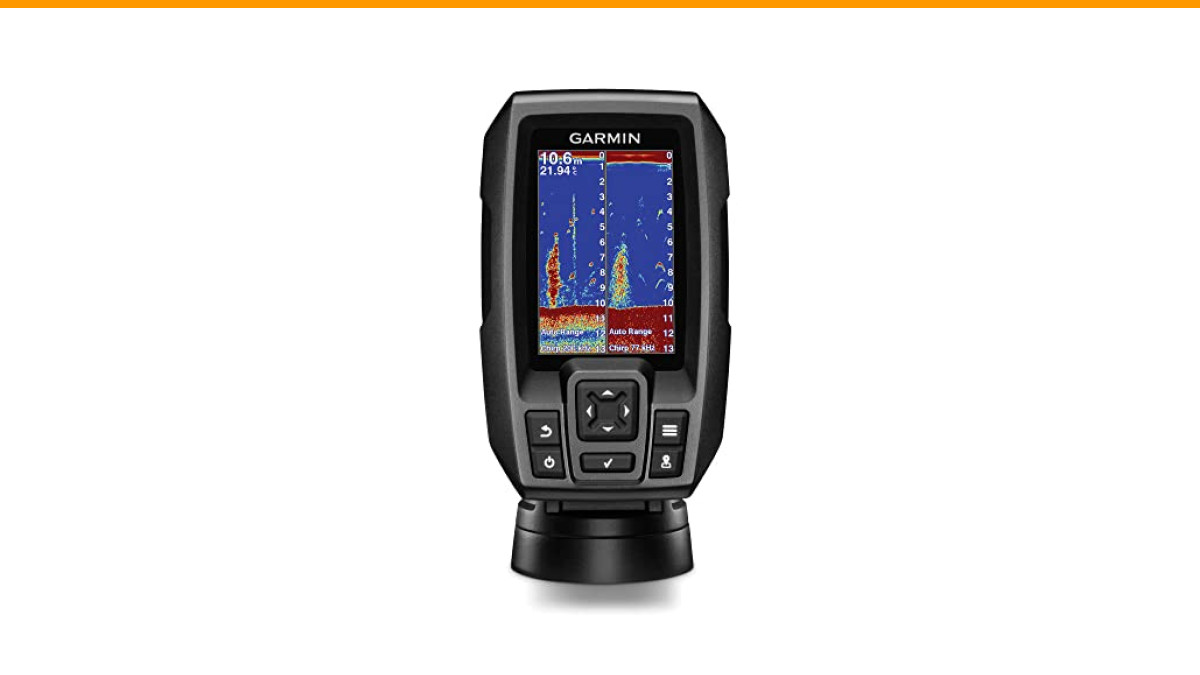
Garmin
Garmin 010-01550-00 Striker 4 with Transducer, 3.5" GPS Fishfinder with Chirp
- Clear Vu scanning Sonar shows you more of what is in the water around your boat; This high frequency sonar gives near photographic…
- The power of simple offers a keyed interface with dedicated buttons; The device is easy to use and easy to install; Available in 3…
- Waypoint map: Use the way point map to easily view, mark and navigate to locations such as brush piles, stumps and docks; Maximum…
Before we get into the math, one piece of gear makes a significant difference in how long you can stay out productively: a reliable fishfinder. The Garmin Striker 4 with its CHIRP sonar and ClearVu scanning helps you locate structure and baitfish quickly, which means less time idling and more time with lines in the water. It’s a compact unit that fits most dashboards, and the waypoint map lets you mark productive spots for your return trip.
The Short Answer: It Depends on the Mission
A weekend angler in a 22-foot center console will rarely stay out past 12 hours. A commercial longliner targeting tuna might not see port for three weeks. Both are fishing boats, but their timelines share almost nothing in common.
The primary difference comes down to purpose. Recreational trips are about experience and catch limits. Commercial trips are about economics—the catch must pay for fuel, crew wages, and the boat itself. That single distinction drives every decision about how long to stay out.
For most private boaters, the practical limit is 8 to 12 hours. That’s enough time to reach grounds 30 to 50 miles offshore, fish hard for several hours, and return before weather deteriorates. Push beyond that and you need to start thinking about overnight accommodations, additional safety gear, and a higher fuel reserve.
Commercial vs. Recreational: Two Different Timelines
Recreational charters operate on a fixed schedule. A half-day trip runs 4 to 6 hours. Full-day trips run 8 to 12 hours. Overnight charters extend to 24 or 48 hours, often targeting species like yellowfin tuna that feed at dawn and dusk.
Commercial operations think in weeks, not hours. A Gulf of Mexico shrimp trawler stays out for 2 to 3 weeks, processing and freezing catch on board. Alaskan crab boats run 1 to 2 weeks per trip during the season, limited by quota and weather. Pelagic longliners targeting swordfish or tuna can remain at sea for 30 to 45 days, covering thousands of miles of ocean.
The gap between these timelines isn’t just about boat size. It’s about infrastructure. Commercial boats carry freezing systems, brine tanks, and large crews to handle continuous operations. A recreational boat has a cooler and maybe a small fridge. That difference in preservation capability alone determines how long you can stay out before your catch spoils.
Key Factors That Dictate Your Time at Sea
Fuel Capacity and Burn Rate
Fuel is the most absolute constraint. You can’t fish without it, and you can’t run out of it. The general rule is the one-third rule: one-third of fuel for the outbound trip, one-third for the return, and one-third in reserve for weather detours or current changes.
A typical 25-foot center console with a 200 HP outboard burns about 10 to 12 gallons per hour at cruise speed. With a 100-gallon tank, that gives you roughly 8 hours of running time total, or about 4 hours out and 4 hours back. That leaves almost no time for actual fishing unless you’re running at displacement speeds.
Diesel inboards are more efficient. A 40-foot sportfisher burns 20 to 25 gallons per hour at cruise, but carries 500 to 800 gallons. That extends range to 20 hours or more of running time. Still, the math works the same—every hour you run is an hour you’re not fishing.
Onboard Storage and Preservation (Ice vs. Freezing)
Your catch starts degrading the moment it leaves the water. For short trips, a good cooler with crushed ice handles the job. Fish kept in a 50/50 ice-to-fish ratio stays fresh for 2 to 3 days. That works fine for a weekend trip.
Multi-day trips require more serious preservation. Commercial boats use brine tanks that chill the catch to near-freezing temperatures in saltwater. This method preserves fish quality for up to two weeks. Plate freezers or blast freezers push that out to several months, which is why longliners can stay out for a month or more.
For recreational anglers, the practical limit is about 3 days of ice storage unless you bring a generator and a small freezer. Beyond that, you’re either catching fish you can’t keep or you’re wasting money on fuel to run a generator continuously.
Weather Windows and Sea State
Weather forecasts are reliable for about 72 hours. That’s your planning horizon for any trip longer than a day. A forecast that looks good on Monday can turn into 30-knot winds by Wednesday, and you don’t want to be 100 miles offshore when that happens.
Sea state matters more than wind speed. A 15-knot wind with a 2-foot chop is manageable. The same wind against a strong current creates 6-foot seas that turn a 40-foot boat into a washing machine. Check the wave height, not just the wind speed, before committing to a multi-day trip.
Experienced captains build a buffer into their schedule. If the forecast calls for 2 to 4 foot seas on day one, they plan to be back in port by day two. Never plan a trip where the return day has worse conditions than the outbound day—that’s how boats get caught in bad weather.
Fishing Method and Target Species
Trolling for pelagics like mahi-mahi or tuna covers a lot of water. You might run 50 to 80 miles in a day just looking for bird activity or temperature breaks. That burns fuel and limits your time on the grounds.
Bottom fishing is more stationary. Once you find a productive reef or wreck, you can anchor or drift and fish the same spot for hours. This method extends your effective fishing time because you’re not constantly running.
Longlining and trawling are entirely different animals. A longline set can soak for 12 to 24 hours before retrieval. Trawlers drag nets for 4 to 6 hours per tow. These methods are designed for continuous operation, which is why commercial boats can stay out for weeks—they’re fishing almost the entire time.
Typical Durations by Vessel Type
| Vessel Type | Typical Trip Duration | Range from Port | Primary Method |
|---|---|---|---|
| Day Boat (20-30 ft) | 6-12 hours | 20-50 miles | Trolling, bottom fishing |
| Overnight Charter (30-40 ft) | 24-48 hours | 50-150 miles | Trolling, chunking |
| Multi-Day Sportfisher (40-60 ft) | 3-7 days | 200-500 miles | Trolling, kite fishing |
| Longliner (60-100 ft) | 30-45 days | 1,000+ miles | Longline sets |
| Trawler (50-80 ft) | 2-3 weeks | 200-400 miles | Net towing |
| Crab Boat (100-150 ft) | 1-2 weeks | 100-300 miles | Pot fishing |
Day Boats and Nearshore Trips
Most recreational fishing happens within 30 miles of shore. A 22-foot bay boat or center console is perfect for this. You leave at dawn, fish for 4 to 6 hours, and return by early afternoon. Fuel burn is manageable, and the boat doesn’t need complex systems.
The limiting factor here is usually comfort, not capability. A 22-foot boat can handle 3-foot seas, but the ride gets rough after a few hours. Most anglers call it quits when the crew starts getting tired, not when the fish stop biting.
Overnight and Multi-Day Charters
Overnight trips open up new fishing grounds that day boats can’t reach. The Gulf Stream off Florida, the canyons off the Northeast, and the banks off the Pacific coast all sit 60 to 150 miles offshore. Getting there takes 3 to 5 hours each way, so you need at least 24 hours to make it worthwhile.
These trips require a boat with a cabin or at least a cuddy for sleeping. A 35 to 45-foot sportfisher is the sweet spot. You get enough fuel capacity for a 200-mile round trip, ice storage for 3 days of catch, and a galley to feed the crew.
Most overnight charters run 36 to 48 hours. That gives you two full fishing days with one night in between. The second day is often the most productive because you’re already on the grounds and can start fishing at first light.
Longliners and Trawlers (Weeks at a Time)
Commercial longlining is a brutal business. A typical trip starts with loading 20,000 to 40,000 hooks, thousands of pounds of bait, and enough fuel for a 3,000-mile round trip. The captain sets a course for the fishing grounds, and the crew works 18-hour days for the next month.
Trawlers operate differently. They work specific grounds, towing nets for hours at a time, then hauling and sorting the catch. A shrimp trawler in the Gulf might make 8 to 12 tows per day, staying out until the catch rate drops below the cost of fuel.
These vessels have full processing capabilities. Freezer trawlers can pack and freeze catch on board, which means they don’t need to return to port until the hold is full or the quota is met. That’s why trips last weeks—they’re waiting for the economics to work out.
The ‘Deadliest Catch’ Extreme: Crab Boats
Alaskan crab fishing gets the headlines for a reason. These boats run 100 to 150 feet long, carry 50,000 pounds of crab pots, and work in conditions that would sink most vessels. Trips run 1 to 2 weeks, but the actual fishing happens in bursts.
Each pot is baited, set, and left to soak for 1 to 2 days. The crew hauls pots, sorts the catch, and re-baits for another set. The work is dangerous—deckhands get injured or killed every season—but the pay can be exceptional for a successful trip.
The trip ends when the boat hits its quota or the weather turns. In the Bering Sea, that weather can change in hours. A 10-day trip can stretch to 14 days if a storm keeps the boat in port, or end early if the captain decides the risk isn’t worth the reward.
The Hidden Cost of Staying Out Longer
Fuel Economics vs. Catch Value
Every hour you stay out costs money. A 40-foot sportfisher burns $500 to $800 in fuel per day at fishing speeds. A commercial longliner burns $2,000 to $3,000 per day. The catch has to cover that, plus crew wages, bait, ice, and maintenance.
Here’s the calculation that matters: if your target species sells for $3 per pound at the dock, you need to catch 800 pounds per day on a longliner just to cover operating costs. If the fishing is slow, the captain has two choices—stay out and hope the bite turns, or cut losses and head in.
Most experienced captains set a threshold before leaving port. If the daily catch rate drops below a certain level for two consecutive days, they pull the gear and run home. That discipline prevents a 30-day trip from turning into a 45-day trip with no profit.
Crew Fatigue and Safety Risks
Fatigue is the silent killer in commercial fishing. A crew working 18-hour days for three weeks makes mistakes. Those mistakes cause injuries, lost gear, and sometimes sinkings. The Coast Guard reports that fatigue is a contributing factor in a significant percentage of commercial fishing accidents.
Recreational anglers face the same risk on a smaller scale. A 48-hour trip with minimal sleep leads to poor decision-making. You might take a shortcut through a channel, misjudge a wave, or forget to secure a hatch. The ocean doesn’t care how tired you are.
The fix is simple: build rest into the schedule. On multi-day trips, rotate the helm duties. Take a 4-hour break in the middle of the day. The fishing will still be there when you wake up.
How Technology is Changing Trip Lengths
Modern fishfinders and GPS units have changed the trip-length equation. The Garmin Striker 4, for example, shows you bottom structure and baitfish concentrations in real time. That means you spend less time searching and more time fishing. A good fishfinder can cut your search time in half, which effectively extends your fishing window without burning extra fuel.
Satellite weather routing is another game-changer. Services like PredictWind and Windy give you 10-day forecasts with hourly updates. You can plan a trip around a weather window, knowing exactly when the wind will pick up. That allows you to stay out longer with confidence, or call it quits early when the forecast deteriorates.
Waypoint mapping is underrated. Marking a productive spot on your GPS means you can return to it exactly, even in fog or darkness. That’s the difference between a 30-minute search and a 5-minute run to a known hotspot. Over a multi-day trip, that saved time adds up significantly.
Frequently Asked Questions
How long can a small fishing boat stay out?
A 20 to 25-foot boat can safely stay out for 8 to 12 hours in good weather. The limit is fuel capacity and comfort, not seaworthiness. With a 50-gallon tank and a 150 HP outboard, you get about 4 hours of running time each way. Add a reserve, and you have roughly 2 hours of actual fishing time. For longer stays, you need a bigger tank and a cabin.
Do commercial fishing boats stay out for months?
Some do, but it’s rare. Pelagic longliners targeting swordfish and tuna can stay out for 30 to 45 days. Factory trawlers in the Bering Sea stay out for months, processing and freezing catch on board. Most other commercial vessels—crab boats, shrimp trawlers, and gillnetters—run shorter trips of 1 to 3 weeks because they need to return to port to offload and resupply.
What is the longest fishing trip you can take on a recreational boat?
With a 50-foot or larger sportfisher, you can stay out for 7 to 10 days. You need a generator for power, a freezer for preservation, and a water maker for fresh water. The limiting factor is usually crew endurance, not boat capability. After a week at sea, most people are ready for a hot shower and a real bed.
How much fuel does a fishing boat use per day?
A 25-foot center console burns 30 to 50 gallons per full day of fishing. A 40-foot sportfisher burns 100 to 150 gallons per day. A commercial longliner burns 500 to 1,000 gallons per day. These numbers vary widely based on speed, sea state, and whether you’re running or drifting. Always calculate your burn rate based on your own boat’s specifications, not someone else’s.
Is it safe to fish offshore alone?
Offshore fishing alone is risky but doable if you take precautions. The biggest danger is a medical emergency—if you’re incapacitated, there’s no one to call for help. An EPIRB (Emergency Position Indicating Radio Beacon) is essential. So is a VHF radio, a backup GPS, and a plan that tells someone on shore exactly where you are and when you’ll return. Limit solo trips to daylight hours and calm seas.
Final Verdict: Planning Your Perfect Trip
So how long should you stay out? Start with your boat’s fuel capacity and work backward. Calculate your burn rate, apply the one-third rule, and see how much fishing time you actually have. Then check the ice situation—if you can’t keep the catch cold, there’s no point in catching more.
- Match trip length to fuel capacity, not ambition. The one-third rule is non-negotiable.
- Ice lasts 2-3 days in a good cooler. Beyond that, you need a freezer or a brine tank.
- Weather forecasts are reliable for 72 hours. Plan any multi-day trip within that window.
- A good fishfinder like the Garmin Striker 4 pays for itself by reducing search time and extending your effective fishing hours.
- Commercial trips are driven by economics. If the catch rate drops below operating costs, head in.
- Fatigue is the biggest safety risk on extended trips. Build rest into your schedule.
- Always tell someone on shore your plan, your position, and your expected return time.
The ocean rewards preparation. Know your limits, check the conditions, and make the call based on data—not hope. That’s how you turn a good trip into a great one.