You’ve seen the videos. Fish appear on the screen like ghosts materializing out of the murk, and suddenly you’re not casting blind anymore. That’s the promise of LiveScope, and it’s why so many anglers are staring at their old fish finders with a new sense of impatience. The gap between seeing a fish and catching it has never felt smaller.
But getting into LiveScope isn’t just about buying any box. The system hinges on the sonar module and, more critically, the transducer. The Garmin LiveScope XR System Bundle packages the GLS 10 black box with the LVS62 transducer, which is the long-range option for open water. It’s a serious piece of gear, and it’s often the first upgrade path for someone who already owns a compatible Garmin chartplotter.
This review focuses on that specific bundle. We’ll break down what the XR transducer actually changes, who should buy it, and the honest trade-offs you’ll face on your first trip out. If you’re pairing this with an existing Garmin unit or building a new system from scratch, here’s what you need to know before you spend the money.
Here is a quick look at the key specs that define this bundle.
| Features | LiveScope XR Bundle |
|---|---|
| Sonar Module | GLS 10 black box |
| Transducer | LVS62 (long-range) |
| Max Range (Fresh) | 500 feet |
| Max Range (Salt) | 350 feet |
| Best Use Case | Open water, deep structure |
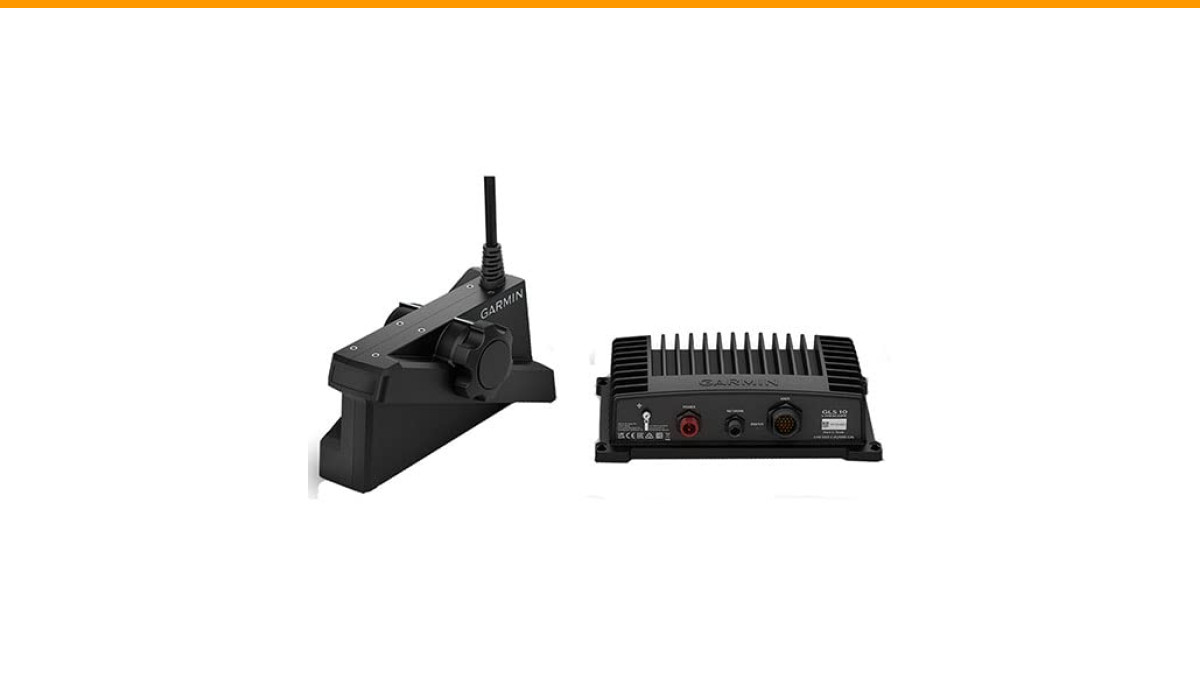
Garmin LiveScope XR System Bundle

Garmin
Garmin LiveScope XR System Bundle with GLS 10 and LVS62 Transducer, LiveScope System for Open Water, Sharp Sonar Images, Vivid Color, Clear Vision (010-02719-00)
- Explore the deep with an extended range up to 500’ in freshwater and 350’ in saltwater.
- Find fish circling your boat with clear views close around your hull.
- Upgrade your current LiveScope System black box (GLS 10 sonar module) with just a new transducer.
This bundle is the long-range specialist. It pairs the GLS 10 sonar module with the LVS62 transducer, which is the biggest difference between this and the standard LiveScope bundles you’ll see. The LVS62 is built for open water, giving you a much longer view of what’s ahead and below your boat. It’s not a trolling motor transducer; it’s designed for through-hull or transom mounting.
The standout feature is range. You get up to 500 feet in freshwater and 350 feet in saltwater. That’s a massive window compared to the standard LVS32 or LVS34 transducers, which typically offer around 200 feet. This extra reach changes how you fish. You can scan a point from a distance, identify a school of bait or a suspended fish, and plan your approach without motoring right over them. You’re covering water with your eyes before you ever make a cast.
There are real trade-offs here. The LVS62 transducer is physically larger and heavier than the trolling motor models. It also requires a proper through-hull or transom installation, which is not a quick job. The cable is long, but you still need a clean routing path to the GLS 10 module. And because it’s a dedicated open-water transducer, it’s not ideal for ice fishing. You’d need a separate ice kit and a different transducer for that. It’s a specialized tool, not a universal one.
- GLS 10 sonar module included (the brains of the LiveScope system)
- LVS62 transducer with extended range up to 500′ in freshwater
- Supports Forward, Down, and Perspective modes on compatible chartplotters
- Vivid color palettes for maximum contrast in bright conditions
- Requires a compatible Garmin chartplotter (sold separately)
Best for: The angler fishing deep lakes or offshore structure who wants to see fish before they’re under the boat, and who already owns a Garmin chartplotter with a 12-pin transducer port.
How We Chose This Product
We focused on the specific needs of a LiveScope beginner. That means evaluating the bundle not just on raw specs, but on how easy it is to get working correctly on the water. The GLS 10 module is the standard for Garmin’s LiveScope system, so the decision comes down to the transducer. The LVS62 is the choice for range, but it demands a more permanent installation than the trolling motor options.
We also considered the compatibility factor. This bundle is an upgrade path for anyone who already owns an older GLS 10 unit. You can swap just the transducer and get the extended range without buying a new black box. That’s a cost-effective way to improve your system. For a beginner, the key is understanding that this is not a complete fish finder package. You need a chartplotter to view the sonar feed.
Buying Guide: What Really Matters
Before you buy, check your chartplotter’s transducer port. The GLS 10 module connects to your Garmin display, but you need to confirm compatibility. Most modern Garmin units like the ECHOMAP UHD2 or GPSMAP series work, but older models might not. Garmin’s website has a compatibility chart, and it’s worth checking before you commit.
Installation is the next big hurdle. The LVS62 is not a simple transom mount you can do in ten minutes. It requires a hole in your hull or a sturdy transom bracket. Think about where you’ll route the cable and whether you have access to a clean power source for the GLS 10. The module needs its own power connection, and it draws enough current that you should wire it directly to the battery with an inline fuse, not tap into an existing accessory wire.
Finally, think about your fishing style. If you spend most of your time in shallow water or on a kayak, this transducer is overkill. The standard trolling motor transducer is lighter and easier to manage. The XR is for the angler who needs to see 300 feet ahead to find fish on a deep flat or a river ledge.
Our Top Recommendation
The Garmin LiveScope XR System Bundle is the right choice for one specific angler: someone with a compatible Garmin chartplotter who fishes open water and wants maximum range. It’s not the cheapest way into LiveScope, but it is the most capable for deep-water scenarios. If you’re on a budget and fishing in 20 feet of water or less, a standard LiveScope bundle with a trolling motor transducer will serve you better and cost less.
For the beginner who wants to start simple, look for a bundle with the LVS32 transducer. It’s easier to mount and more forgiving. But if you’re serious about big water and want to see fish before they see you, the XR system is the one to save for.
Frequently Asked Questions
Will this work with my Garmin ECHOMAP UHD2 74sv?
Yes, the GLS 10 module connects to any Garmin chartplotter with a compatible 12-pin port. The ECHOMAP UHD2 74sv has that port. You’ll need to update the chartplotter’s software to the latest version to ensure LiveScope features work correctly. Check Garmin’s website for the specific software version.
Can I use this transducer for ice fishing?
Not effectively. The LVS62 is a large, through-hull style transducer designed for open water. For ice fishing, you need a dedicated ice transducer like the LVS32 or LVS34 mounted on a float. You’d need to buy a separate ice fishing bundle or purchase the transducer and ice mount kit separately.
How long is the transducer cable?
The LVS62 comes with a long cable, typically around 30 feet, to allow for routing through the hull to the GLS 10 module. It’s long enough for most bass boats and center consoles. If you have a larger boat, you may need an extension cable, but those are not included.
What is the difference between this and the standard LiveScope bundle?
The standard bundle uses the LVS32 transducer, which has a range of about 200 feet. This XR bundle uses the LVS62, which extends that range to 500 feet in freshwater. The trade-off is that the LVS62 is larger, heavier, and requires a more permanent installation. The image clarity is similar; you’re paying for distance, not sharper pixels.
Final Verdict: Is It Worth the Upgrade?
The Garmin LiveScope XR System Bundle is a serious investment for a serious angler. It solves the problem of not seeing fish until you’re right on top of them. The extended range is a genuine advantage on deep water, and the ability to upgrade an existing GLS 10 with just a new transducer is a smart path. It’s not the easiest system to install, and it’s not for shallow water or ice fishing. But if your goal is to cover water efficiently and find fish before they spook, this bundle delivers exactly what it promises.