The auger bites through the last six inches of clear ice, and the cold air hits the slush that bubbles up. You’re on Devils Lake, the wind is calm for once, and the flasher shows a solid red line hovering two feet off the bottom. That’s the moment every North Dakota ice angler chases. But getting to that moment takes planning. The wrong lake, the wrong ice, or the wrong bait can turn a weekend trip into a frustrating exercise in freezing.
| 1st Pick |

|
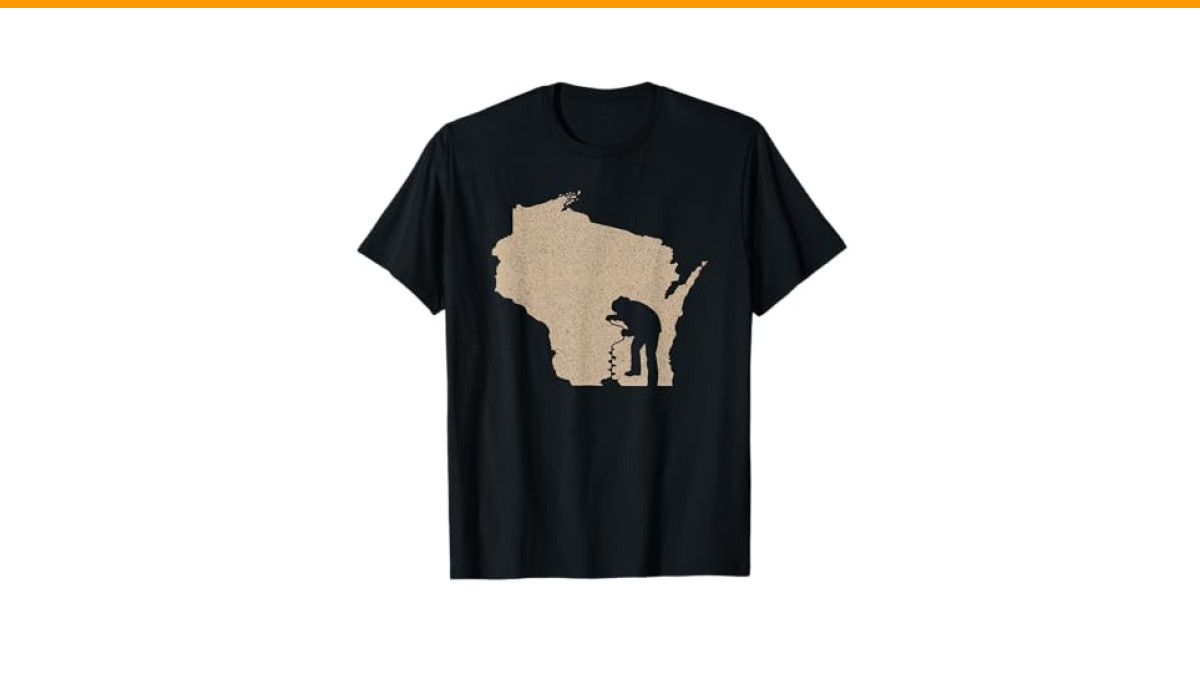
| Wisconsin Ice Fishermen Apparel Vintage Ice Fishing Shirt - Wisconsin Ice Fishing tshirts T-Shirt |
| Buy on Amazon |
North Dakota offers some of the best hard-water fishing in the country. The state’s prairie potholes, massive reservoirs, and natural lakes hold healthy populations of walleye, northern pike, perch, and panfish. What separates a good trip from a great one comes down to picking the right lake for the species you want, knowing when to go, and having the right gear. Ice thickness varies wildly across the state, and access points differ from lake to lake.
This guide breaks down the top spots with real numbers and local intel. You’ll get ice thickness thresholds, peak biting windows for each species, and the names of bait shops that actually answer the phone. We’ll also cover the rules on darkhouse spearfishing and what to pack for a day on the ice. Whether you’re a seasoned veteran or taking kids out for the first time, this field guide has you covered.
Here’s a quick look at how the top lakes compare across the key factors that matter most.
| Features | Devils Lake | Lake Sakakawea | Lake Audubon |
|---|---|---|---|
| Primary Species | Walleye, Perch | Northern Pike, Walleye | Perch, Bluegill |
| Ice Safety Window | Dec – Mar, 12+ inches | Jan – Feb, 18+ inches | Dec – Feb, 10+ inches |
| Best For | Consistent action | Trophy pike | Panfish limits |
| Access Difficulty | Plowed roads | Snowmobile or 4×4 | Short walk from lot |
| Spearfishing Allowed | Yes, check zones | Banned near dam | Yes, open water |
Why North Dakota is a Premier Ice Fishing Destination
Wisconsin Ice Fishermen Apparel
Vintage Ice Fishing Shirt - Wisconsin Ice Fishing tshirts T-Shirt
- Vintage Ice Fishing Shirt - Wisconsin Ice Fishing tshirts is a perfect gift idea for the ice fisherman in your life. If you love f…
- A perfect t-shirt for the fisherman who loves to fire up the auger, drill some holes and set up some tip ups, or pop ups! Catch so…
- Lightweight, Classic fit, Double-needle sleeve and bottom hem
The state sits in the middle of the central flyway, and its lakes are shallow, fertile, and packed with baitfish. That combination creates aggressive fish that bite hard even in the dead of winter. Unlike deeper western reservoirs, North Dakota lakes often freeze solid enough to drive trucks on by late December.
Devils Lake alone spans over 100,000 acres and has more shoreline than the entire state of Minnesota. The fishing pressure is real, but the lake keeps producing. The state record walleye came out of these waters, and the perch fishery is world-class. You don’t need a boat to succeed here. A good set of ice auger blades and a willingness to drill multiple holes will put you on fish.
The culture around ice fishing here is different. People share spots, help push stuck trucks, and trade bait tips at the local gas station. It’s a community sport. If you show up prepared and respectful, you’ll find locals willing to point you toward a productive flat or a weed edge that’s holding fish.
Safety First: Ice Thickness, Gear, and Weather Warnings
Ice thickness is not a suggestion. You need at least 4 inches of clear, solid ice for foot travel. That’s the minimum. For an ATV or snowmobile, you want 5 to 6 inches. A full-size truck needs 12 to 15 inches of good ice, and even then, you should check local reports before driving on. Pressure ridges and springs can create weak spots that don’t show on the surface.
Carry a spud bar and test the ice as you walk. The sound of a solid thud means good ice. A hollow boom means trouble. Wear a float suit or a standard life jacket under your winter coat. Ice picks on a lanyard around your neck are cheap insurance. If you go through, they’re the only thing that will get you back out.
Weather on the northern plains changes fast. A bluebird day at 10 degrees can turn into a whiteout with 40 mph winds in an hour. Check the forecast for the specific lake region, not just the nearest city. Wind chill at 20 below zero will freeze exposed skin in minutes. Pack extra gloves, a thermos of something hot, and a way to start a fire. Tell someone where you’re going and when you’ll be back.
Devils Lake – The Walleye and Perch Powerhouse
Devils Lake is the epicenter of North Dakota ice fishing. It’s a massive, sprawling body of water with incredible structure. The lake has flooded thousands of acres of former farmland, which means submerged trees, old fence lines, and rock piles that hold fish like magnets. Walleye and yellow perch are the main targets, and both species are abundant.
The key to Devils Lake is mobility. The lake is so big that fish move constantly. A spot that produced limits last week might be dead this week. Successful anglers drill dozens of holes and use electronics to find active fish. Tip-ups with dead minnows work well for walleye, while jigging spoons tipped with a waxworm or a minnow head will sort out the perch.
Access is better here than almost any other lake in the state. The lake has multiple plowed roads maintained by local resorts. You can drive a truck right to your spot in most areas. For a few bucks, you can park at a resort and use their road system. They also rent ice houses and sell bait right on the ice.
The downside is pressure. On weekends, popular areas like Creel Bay and Pelican Lake can feel crowded. The etiquette is simple: give other groups at least 50 yards of space, keep the noise down, and don’t drill within 20 feet of someone else’s lines. If someone is on a hot bite, don’t crowd them. Wait for them to leave or ask politely if they’re willing to share the area.
- Target species: Walleye, yellow perch, northern pike
- Peak biting windows: Early ice (mid-Dec) for perch; late ice (Feb-Mar) for walleye
- Ice thickness: Often 24+ inches by February; drive with caution
- Access: Plowed roads from resorts like Woodland Resort and Grahams Island
- Bait shops: Woodland Resort (bait, rentals, guides) and the Sport Center in Devils Lake
Best for: Anglers who want consistent action and easy access without a snowmobile.
Lake Sakakawea – Big Water, Bigger Pike
Lake Sakakawea is a different beast. It’s a massive Missouri River impoundment that stretches over 180 miles. The water is clear, deep, and cold. This isn’t a lake for the casual walk-on angler. You need to cover water to find fish, and that usually means a snowmobile or a truck with good clearance on the ice roads.
The northern pike fishery here is exceptional. These are not your average hammer handles. Sakakawea produces pike in the 40-inch class regularly. They sit on the edges of deep holes and ambush ciscoes and white bass. Set heavy tip-ups with large sucker minnows 2 to 4 feet off the bottom. When the flag goes up, be ready. These fish fight hard and will strip line.
Walleye fishing is also strong, but it’s a deep-water game. Most anglers jig in 30 to 50 feet of water with blade baits or live minnows. The fish are often suspended, so watch your flasher closely. The bite can be subtle, and you’ll need to set the hook on the slightest tick.
Access is the biggest challenge. The lake has a few maintained ice roads, but most of the best structure requires a long ride. Check with local bait shops like the ones in Garrison or New Town for current ice conditions and access points. They’ll know where the roads are plowed and where the ice is safe. Spearfishing is popular here, but it’s banned within 200 yards of the Garrison Dam. Respect that boundary; it’s strictly enforced.
- Target species: Northern pike, walleye, smallmouth bass
- Peak biting windows: Pike in early ice (Dec); walleye in late ice (Feb-Mar)
- Ice thickness: Needs 18+ inches for vehicle travel; always check reports
- Access: Snowmobile or 4×4 recommended; limited plowed roads
- Bait shops: Garrison Sports Center, Van Hook Bait & Tackle
Best for: Experienced anglers chasing trophy pike who don’t mind working for their fish.
Lake Audubon – The Underrated Panfish Haven
Just a short drive from Minot, Lake Audubon often gets overlooked. That’s a mistake. This lake is a panfish factory. Bluegill, crappie, and yellow perch are abundant and grow to impressive sizes. The lake is shallower and weedier than Sakakawea, which makes it perfect for a family outing or a quick afternoon trip.
The key here is finding the weeds. In early winter, the green weeds hold oxygen and attract baitfish. Drill holes along the weed edges in 8 to 12 feet of water. A small tungsten jig tipped with a spike or a piece of nightcrawler will outfish anything else. The bite is often light, so use a spring bobber or a sensitive rod.
Late ice is the time for big perch. As the oxygen depletes in the shallow bays, the perch move to the main lake basin. Look for them on the flats in 15 to 20 feet of water. They school tight, so when you catch one, stay put. You can pull a dozen or more out of a single hole.
The access is easy. The state park has a boat ramp that’s plowed and a parking lot just steps from the ice. You can walk to most spots in under 10 minutes. This makes it the most accessible lake on this list for shore anglers without a vehicle. The downside is that the panfish population can fluctuate, and some years the average size is smaller. But for sheer numbers and a fun bite, it’s hard to beat.
- Target species: Bluegill, crappie, yellow perch
- Peak biting windows: Early ice for weeds; late ice for deep basin perch
- Ice thickness: Usually safe by mid-December; 10+ inches by January
- Access: Short walk from the state park lot; no vehicle needed
- Bait shops: Fox’s Den in Minot for bait and local reports
Best for: Families, beginners, and anyone who wants to catch a pile of panfish without a long trek.
Lake Ashtabula – Structure Fishing for Trophy Walleye
Lake Ashtabula, on the Sheyenne River, is a narrow, winding reservoir that offers something different: riverine structure. The old river channel, flooded timber, and sharp drop-offs create ambush points for big walleye. This is not a numbers lake. It’s a trophy lake. If you want a 10-pound walleye through the ice, this is where you start.
The fish here relate to current. Even under the ice, there’s a slow push of water, and the walleye position themselves on the downstream side of points and bends. Use a jigging rapala or a live bait rig with a big sucker minnow. Set your bait just off the bottom and be patient. The bites are often aggressive when they come, but they can be few and far between.
The lake freezes earlier than the big reservoirs because it’s shallower and more sheltered. By mid-December, there’s usually safe ice. The northern end of the lake near the dam is a popular starting point. The ice here can be deceptive, with current creating weak spots. Always check with the local bait shop before venturing out, especially near the inlet.
The trade-off is that the action can be slow. You might fish all day for one or two quality bites. But the fish you do catch will be worth the wait. The lake also has a healthy population of northern pike and white bass, so you never know what’s going to hit. For anglers who prefer quality over quantity, Ashtabula is a top pick.
- Target species: Walleye, northern pike, white bass
- Peak biting windows: Late ice (Feb-Mar) for walleye
- Ice thickness: Early ice is good; use caution near current areas
- Access: Multiple access points; the dam area is most popular
- Bait shops: Valley Rigging in Valley City for bait and current ice reports
Best for: Patient anglers targeting a trophy walleye in a scenic, quiet setting.
Lake Metigoshe – A Quiet Option for Beginners and Families
Tucked into the Turtle Mountains near the Canadian border, Lake Metigoshe is a small, clear lake that feels like a northern Minnesota lake. It’s sheltered from the wind, has a mix of walleye, northern pike, and panfish, and offers some of the safest ice conditions in the state. This is the perfect place to introduce a kid to ice fishing.
The lake has a state park with excellent amenities, including heated restrooms and plowed parking. The ice is often smooth and free of snow, which makes it easy to walk on and set up a portable shelter. The fish are not huge, but they are willing biters. A simple bobber and a hook with a minnow will catch bluegills and perch all day long.
For walleye, try the deeper holes near the middle of the lake during the evening bite. The fish here are not as pressured as those on Devils Lake, so they’re a bit more aggressive. A jigging spoon with a minnow head is a reliable presentation. The northern pike are in the weedy bays, and a tip-up with a large sucker is a good bet.
The main limitation is the size of the lake. It’s small, and the fishing pressure from locals can be high on weekends. But the atmosphere is friendly, and the scenery is beautiful. It’s a great choice for a relaxed trip where the focus is on having fun rather than limiting out.
- Target species: Walleye, northern pike, bluegill, perch
- Peak biting windows: Mid-winter (Jan) for panfish; evening for walleye
- Ice thickness: Freezes early and thick; typically very safe
- Access: Easy walking from the state park lot
- Bait shops: Bottineau Sport Shop for bait and tackle
Best for: Families with kids, beginners, and anyone wanting a safe, scenic, low-stress outing.
Stump Lake and Lake Darling – Hidden Gems for Northern Pike
Stump Lake, connected to Devils Lake, offers a quieter alternative with excellent northern pike fishing. The lake is shallower and weedier, which is prime pike habitat. The pike here are numerous and aggressive, making it a great spot for tip-up fishing. Set up along the weed edges in 6 to 10 feet of water with large sucker minnows.
Lake Darling, near the town of Powers Lake, is another sleeper. It’s an impoundment of the Des Lacs River and has a solid population of pike, walleye, and perch. The lake is known for producing big pike, and it sees far less pressure than the major reservoirs. Access is straightforward from the state recreation area, and you can often find a quiet spot away from the crowds.
Both lakes are best fished with mobility. The pike move along the weed lines, so drill holes in a line and check them periodically. A rattle reel on a tip-up is a great way to attract curious pike. When the flag goes up, don’t rush. Let the fish take the bait for a few seconds before setting the hook.
The main drawback is the lack of amenities. You won’t find plush ice resorts here. It’s a DIY experience. Bring your own gear, bait, and a portable shelter. The reward is solitude and some fantastic pike action. Check with local bait shops in the nearest towns for the latest ice reports, as conditions can vary.
- Target species: Northern pike, walleye, perch
- Peak biting windows: Early ice (Dec) for aggressive pike
- Ice thickness: Generally safe by late December; check local reports
- Access: Basic access points; no resort services
- Bait shops: North Dakota Game and Fish website for updates; local gas stations for bait
Best for: Anglers who want to escape the crowds and target aggressive northern pike in a wild setting.
Darkhouse Spearfishing: Rules, Spots, and Ethics
Darkhouse spearfishing is a unique North Dakota tradition. It’s a highly selective way to fish that targets northern pike. You sit in a dark shack, look through a hole in the ice, and wait for a pike to swim by. It’s a game of patience and precision, and it’s growing in popularity.
The rules are specific. You need a valid fishing license and a separate spearfishing license. You can only use a spear, not a gun or bow. You can only take northern pike. All other species must be released. The season runs from December 1 to March 15, but check the current ND Game and Fish regulations for any changes.
Spearfishing is not allowed everywhere. It’s banned within 200 yards of any dam, including the Garrison Dam on Lake Sakakawea. It’s also prohibited in certain waters where it could impact other species. Always check the specific lake regulations before you go. The ND Game and Fish website has a full list of open and closed waters.
The ethics of spearfishing are important. You should only take what you will eat. The meat of a northern pike is excellent if prepared correctly, but it’s a shame to waste it. Also, be careful not to spook fish by making noise or moving quickly in the shack. A quiet approach is essential for success.
Practical Logistics: Bait Shops, Guides, and Access Points
You can’t buy minnows at a gas station in North Dakota. You need to find a real bait shop. These are your lifelines for current ice conditions, hot spots, and the right bait. Woodland Resort on Devils Lake is a full-service operation with a bait shop, ice house rentals, and a network of plowed roads. They also have guides who know the lake intimately.
On Lake Sakakawea, the bait shops in Garrison and New Town are the go-to spots. They stock large suckers for pike and the right jigs for walleye. They’ll also tell you where the ice roads are safe. For Lake Audubon, Fox’s Den in Minot is the best source for panfish tackle and the latest reports on the bite.
If you’re new to a lake, hiring a guide for a day is a smart investment. They have the electronics, the knowledge, and the gear to put you on fish. It’s a fast way to learn the structure and the patterns. Many guides also provide ice houses and heaters, so you don’t need to bring your own.
Access points vary. Some lakes have plowed roads, others require a hike. For shore anglers without a snowmobile, look for lakes with state parks or recreation areas that plow the boat ramps. Lake Metigoshe and Lake Audubon are the easiest. Devils Lake has the most extensive road system, but you’ll need a vehicle with good clearance.
Final Checklist: Licenses, Limits, and Leave-No-Trace Tips
Before you head out, make sure you have the right licenses. A North Dakota fishing license is required for anyone 16 and older. If you’re spearfishing, you need the additional endorsement. Check the ND Game and Fish website for current fees and rules. The daily limit for walleye is typically 5, but it can vary by lake. Northern pike limits are more generous, often 10 per day. Panfish limits are usually high, but check the specific regulations.
Leave no trace on the ice. Pack out all your trash, including broken tip-ups and empty bait containers. Don’t leave fishing line on the ice; it’s a hazard to wildlife. When you drill holes, mark them with a small branch or a flag if you’re leaving them. This prevents other anglers from stepping in them after dark.
Respect the resource. Keep what you’ll eat, and release the rest carefully. Use barbless hooks or pinch down the barbs to minimize damage to fish you release. Handle fish with wet hands or a wet glove to protect their slime coat. A fish that goes back down the hole healthy is a fish that will be there for your next trip.
Finally, check the ice thickness at the start of every trip, even if you were on the same lake the day before. Conditions change. A warm day or a strong wind can shift the ice. Your safety is your responsibility. No fish is worth a cold, dangerous swim.
How We Chose These Products
We focused on lakes that offer a genuine chance at a great day on the ice, not just a pretty drive. The selection criteria were simple: fish populations, accessibility, safety, and the quality of the local infrastructure. A lake with a million walleye but no safe way to access it didn’t make the list.
We also considered the diversity of the experience. Some anglers want a trophy pike, others want a bucket of perch, and a few just want to take the kids somewhere safe. We picked lakes that cover all those bases. The final list represents the best all-around options, with a clear nod to Devils Lake as the top pick for its combination of action and accessibility.
Buying Guide: What Really Matters
Your gear matters more than your luck. A good ice auger is non-negotiable. A gas or electric auger with an 8 or 10-inch blade will get you through thick ice fast. Hand augers work, but they’ll wear you out on a day when you need to drill 20 holes. A flasher or a portable fish finder is the single best tool for finding active fish. It’s a game changer.
Your shelter is your home on the ice. A portable flip-over or hub shelter protects you from the wind and keeps your holes from freezing. Look for one that sets up in under two minutes and fits in your vehicle. A good pair of insulated boots rated for -40 degrees is worth every penny. Cold feet will end a trip faster than anything else.
For clothing, layering is key. A moisture-wicking base layer, an insulating mid-layer, and a windproof outer shell will keep you warm without restricting movement. Don’t forget a hat that covers your ears and a pair of waterproof gloves. Your hands will get wet handling bait and fish, so bring a spare pair.
Finally, don’t skimp on safety gear. A spud bar, ice picks, and a float suit or life jacket are essential. A small emergency kit with a lighter, a whistle, and a thermal blanket can be a lifesaver. You hope you never need it, but you’ll be glad it’s in your sled if you do.
Our Top Recommendation
Devils Lake is the clear winner for most anglers. It has the best combination of fish density, accessibility, and local support. You can drive right onto the ice, rent a heated house, and have bait delivered to your door. The walleye and perch fishing is consistently good, and the lake is big enough that you can always find a spot away from the crowds. It’s not the most scenic lake, but it’s the most productive.
If you’re chasing a trophy pike and have the gear for big water, Lake Sakakawea is your runner-up. It’s a more challenging fishery, but the rewards are bigger. For families and beginners, Lake Metigoshe offers the safest, most welcoming introduction to the sport. And for panfish enthusiasts, Lake Audubon is the underrated gem that delivers in numbers.
Whichever lake you choose, go prepared, check the ice, and respect the other anglers. North Dakota’s ice fishing is a special experience, and a little planning goes a long way.
Frequently Asked Questions
What is the best time of day for ice fishing in North Dakota?
The classic bite windows are the first two hours after sunrise and the last two hours before sunset. Walleye and pike often move shallower during these low-light periods. Perch and panfish can be caught all day, but the bite often slows during the brightest part of the afternoon. On cloudy days, the action can last longer.
Do I need a special license for darkhouse spearfishing?
Yes. You need a standard North Dakota fishing license plus a spearfishing endorsement. The endorsement is inexpensive and available online or at any license vendor. You can only spear northern pike, and you must follow the specific season dates and water body restrictions.
Can I drive my truck on the ice at Devils Lake?
Yes, but only on the marked ice roads maintained by resorts or the state. These roads are plowed and regularly checked for thickness. Driving off the roads is risky, as the lake has springs and current areas that create weak spots. The resorts charge a small fee for parking, which covers road maintenance and plowing.
What is the best bait for late-ice walleye?
Late-ice walleye are often lethargic and need a small, slow presentation. A small jigging spoon like a tungsten jig tipped with a minnow head or a waxworm works well. Dead-sticking a minnow on a plain hook can also trigger bites from inactive fish. The key is to be subtle and keep the bait near the bottom.
