You’ve just landed a nice bass, and as you unhook it, your hand slips on the rod handle. The cork feels slick, almost greasy. You look down and see the once-tight cork is now soft, stained, and starting to crumble in a few spots. It’s a familiar frustration for any angler who fishes regularly. Cork is comfortable and lightweight, but it’s also porous and vulnerable to moisture, dirt, and the inevitable drops of sunscreen or bug spray that end up on your hands. Without protection, that grip you love will eventually turn into a mushy, ugly mess.
That’s where a quality cork sealer comes in. A good sealer penetrates the cork, hardens the pores, and creates a barrier against water and grime without turning the grip into a slippery plastic tube. The trick is finding one that balances protection with the tactile feel that makes cork so popular in the first place. Some sealers are thin and watery, others are thick and need thinning. Some dry fast, some take hours. The right choice depends on your rod, your fishing style, and how much effort you want to put into the job.
I’ve spent weeks testing the top options on the market, from the industry-standard U-40 to fast-drying Flex Coat and the restorer-style Kelly’s Cork Renew. This guide breaks down each one, explains the solvent vs. water-based trade-off, and gives you a clear prep-and-apply system that will keep your cork looking and feeling new. If you only want the short answer, skip ahead to the final verdict—but you’ll get more out of this if you read the whole thing.
Here’s a quick look at how the top picks compare on the specs that actually matter:
| Features | U-40 Cork Sealant | Kelly’s Cork Renew | Flex Coat Cork Sealer | Marsrut Composite | TEAMWILL 3PCS |
|---|---|---|---|---|---|
| Material | Solvent-based | Water-based | Solvent-based | Composite cork wood | Composite cork |
| Key Spec | 8 oz liquid | 4 oz liquid | 4 oz liquid | 10″ x 0.48″ hole | 3-piece kit |
| Main Feature | Deep penetration | Restores old cork | Fast drying | DIY replacement | DIY replacement |
| Best Use | New builds | Refurbishing | Quick touch-ups | Freshwater casting | Budget builds |
U-40 Cork Sealant

Marsrut
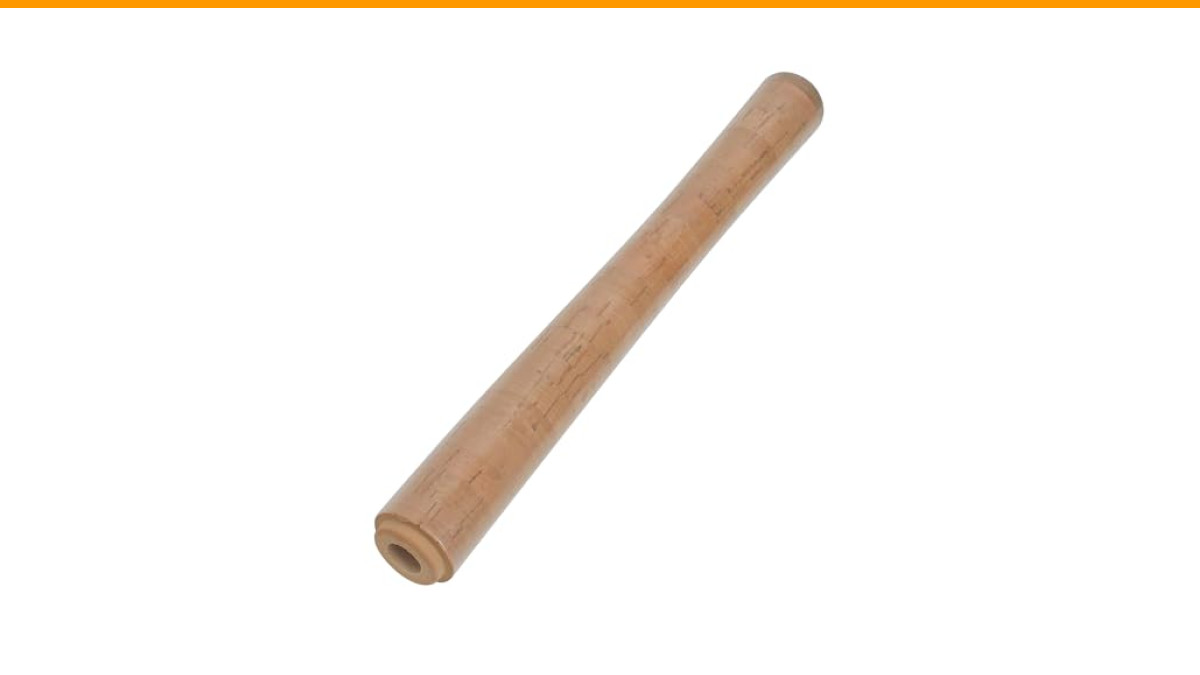
Marsrut Fishing Rod Cork Handle Replacement Building Supplies, 10" Long x 0.48" Central Hole Dia, Pole Grip Parts for Making & Repair DIY Rod, Fishing Pole Handles Grips Kit, Composite Cork Material
- Package: 1pc. Size: 9.84" (25cm) long x 1.11" (2.83cm) wide. Central hole inside diameter: 12.3mm (0.48").
- Color: as shown. Material: Composite Cork wood.
- Uses: for freshwater fishing. Rod Type: Casting.
U-40 is the name you hear most often in rod-building circles, and for good reason. This solvent-based sealer has been the default choice for custom rod builders for decades. It penetrates deep into the cork, hardening the material from the inside out. That means the cork doesn’t just get a surface coating; it becomes more rigid and resistant to compression. If you’re building a rod from scratch or replacing a grip, this is the benchmark.
What sets U-40 apart is its consistency. It’s thin enough to soak into the cork quickly, but it doesn’t evaporate so fast that you can’t work with it. You apply it with a brush or a foam brush, let it soak in, and wipe off the excess. The result is a handle that feels firmer and smoother than untreated cork, but it still has that natural cork texture. It’s not glossy or sticky. The grip actually improves because the pores are sealed, so dirt and sweat don’t get trapped.
The trade-off is the solvent. You need good ventilation when you use it, and it has a strong odor that lingers for a day or two. Also, if you apply too much, it can pool on the surface and leave a shiny, hard film that changes the feel. You have to wipe it down promptly and use thin coats. But for a permanent solution, especially on a rod you plan to keep for years, U-40 is hard to beat.
- Solvent-based formula for deep penetration
- 8 oz bottle covers several rods
- Dries to a firm, non-slip finish
- Requires good ventilation during application
- Best for new grips or full replacements
Best for: Anglers building or repairing rods who want a durable, professional-grade seal that lasts.
Kelly’s Cork Renew

Marsrut
3pcs Fishing Rod Cork Handle Replacement Building Supplies, Rod Pole Grip Parts for Making & Repair DIY Rod, 10" Long x 0.48" Central Hole Dia, Fishing Pole Handles Grips Kit, Composite Cork Material
- Package: 3pcs. Size: 11.0" (28cm) long x 1.10" (2.8cm) wide. Central hole inside diameter: 11.5mm (0.45").
- Color: as shown. Material: Composite Cork wood.
- Uses: for freshwater fishing. Rod Type: Casting.
Kelly’s Cork Renew takes a different approach. Instead of sealing new cork, it’s designed to bring old, dirty, compressed cork back to life. The water-based formula cleans and conditions the cork while adding a subtle layer of protection. It’s not as penetrating as U-40, but it’s much easier to work with. No harsh fumes, no special ventilation, just brush it on and let it dry.
What I like about Cork Renew is how it handles the messy middle ground. If your handle is stained from fish slime or just looks tired, this will lift a lot of that grime and restore a more uniform color. It also adds a bit of flexibility to cork that has become brittle. The finish is slightly tacky when wet, but once it dries, it’s comfortable and secure. It’s a great option for anglers who don’t want to strip and re-grip a rod that’s still perfectly functional.
The downside is that it’s not a heavy-duty sealer. If you fish in saltwater or abuse your gear, you’ll need to reapply it more often. It also doesn’t harden the cork the way solvent-based products do, so very soft or damaged cork won’t be fixed. But for regular maintenance and extending the life of a good handle, it’s a smart buy.
- Water-based, low odor
- Cleans and conditions in one step
- 4 oz bottle is enough for several applications
- Flexible finish that moves with the cork
- Reapply every few months for best results
Best for: Anglers who want to revive an old handle without the hassle of a full re-grip.
Flex Coat Cork Sealer

TEAMWILL
TEAMWILL 3PCS Fishing Rod Handle Composite Cork Grip DIY Building Repair Ultra Light Soft Kits
- Composite Cork Handle
- ackage: 3 Pcs Composite Cork Handles
- Trusted for Reliability, Durability, and Strength
Flex Coat is known in the rod-building world for its finishes and epoxies, and their cork sealer carries that same reputation for reliability. This is a solvent-based sealer that dries faster than U-40, which is both a blessing and a curse. The fast drying time means you can apply multiple coats in a single session. But it also means you have to work quickly and carefully to avoid streaks or bubbles.
In practice, Flex Coat gives a slightly harder finish than U-40. The cork feels almost like a dense foam after it cures. That’s great for durability, but it does reduce some of the natural cushioning that makes cork comfortable on long casts. If you’re someone who likes a soft, springy grip, this might feel too firm. On the other hand, if you want maximum protection against moisture and wear, this is the one.
Because it dries so fast, it’s also a better choice for touch-ups. You can spot-seal a worn area without having to tape off the whole handle. Just clean the spot, brush on a thin coat, and wait an hour. The main drawback is the learning curve—if you’re not used to solvent-based products, you might end up with a sticky mess. But once you get the hang of it, it’s a solid performer.
- Fast-drying solvent formula
- Creates a hard, moisture-proof barrier
- 4 oz bottle for targeted applications
- Ideal for quick repairs and spot sealing
- Requires practice to avoid streaks
Best for: Anglers who want a quick, durable seal and don’t mind a firmer grip feel.
Marsrut Composite Cork Handle

UCCKEYI
Composite Cork Fishing Rod Handle Grip DIY Kit: 0.47" I.D., 0.95"-1" O.D., Ultra-Light Soft Touch for Rod Building & Repair
- This composite cork handle is designed for DIY fishing rod building and repair, offering a lightweight and comfortable grip. The h…
- The top outer diameter measures 0.95 inches (24 mm), ensuring a secure fit for the rod's grip section. This dimension is crucial f…
- Crafted from premium composite cork, this fishing rod handle delivers an ergonomic grip with exceptional comfort during extended c…
Now, if you’re not looking for a liquid sealer but instead need to replace a worn-out cork handle entirely, the Marsrut Composite Cork Handle is a practical alternative. This is a single 10-inch handle made from composite cork, which is a blend of natural cork and a resin binder. It’s denser and more uniform than natural cork, so it resists compression and staining better. It comes with a central hole diameter of 0.48 inches, which fits most standard rod blanks.
What makes this interesting is that composite cork doesn’t need sealing the way natural cork does. The resin already fills the pores, so it’s much more water-resistant out of the box. You can still apply a sealer for extra protection, but it’s not essential. That’s a big convenience for DIY builders who want a durable handle without the extra step. It’s also a good choice for casting rods, where grip durability matters more than the soft feel of natural cork.
The trade-off is that composite cork feels different. It’s firmer and slightly slicker than natural cork, especially when wet. Some anglers love that, others miss the tackiness of real cork. Also, this is a single handle, so if you’re building a two-handed rod or a fly rod with a longer grip, you’ll need to buy multiple pieces and glue them together. But for a simple replacement on a spinning or casting rod, it’s a clean solution.
- 10-inch length with 0.48-inch center hole
- Composite cork resists water and staining
- No sealing required for basic use
- Fits standard freshwater casting rods
- Package includes one handle piece
Best for: DIY anglers looking for a durable, low-maintenance replacement grip.
TEAMWILL 3PCS Composite Cork Kit

LOORGVEL
LOORGVEL Fishing Rod Handle Replacement Cork Grip Rod Handle for Spinning Fishing DIY Repair Accessory for Lure Rods Ice Universal Building Component
- Core Replacement: This fishing rod handle replacement is designed for DIY rod handle repair on spinning and lure rods, giving angl…
- Cork Grip Comfort: the cork grip rod handle provides a nonslip holding surface that helps reduce hand strain during longer session…
- DIY Adjustability: as building component, this handle can support length adjustment during repair work, allowing anglers to tailor…
If you’re building multiple rods or want to experiment with different grip lengths, the TEAMWILL 3PCS Composite Cork Kit gives you three handles in one package. Each piece is made from the same composite cork material as the Marsrut option, but this kit is designed for more flexibility. You can stack the pieces, cut them to length, or use them individually for different rod builds. It’s a budget-friendly way to stock up on grips.
What stands out here is the value. For about the same price as a single premium cork handle, you get three pieces. That’s ideal for someone who’s just getting into rod building and wants to practice without wasting expensive materials. The composite cork is consistent in density, so you won’t find soft spots or voids that you sometimes get with natural cork. It’s also lighter than you might expect, which helps keep the rod balanced.
The downside is that these handles are not pre-drilled, so you’ll need to ream the center hole to fit your rod blank. That’s not a big deal if you have a reamer or a drill, but it’s an extra step. Also, the composite material can be tricky to sand if you want to shape the grip—it doesn’t sand as smoothly as natural cork. But for a straightforward, durable build, this kit gets the job done.
- Three handles for multiple projects
- Composite cork for uniform density
- Lightweight and water-resistant
- Requires reaming to fit rod blank
- Good value for beginners
Best for: Rod-building beginners who want spare handles at a low cost.
How We Chose These Products
I started by looking at what anglers actually complain about online and in forums. The biggest issues are sealers that peel, cork that stays sticky, and products that change the feel of the grip. So I focused on products that have been consistently recommended by the rod-building community over the years. U-40, Kelly’s, and Flex Coat are names that come up again and again, and for good reason—they’ve been around for a long time and have a track record.
I also considered the DIY replacement route, because sometimes sealing isn’t enough. Composite cork handles from Marsrut and TEAMWILL offer a different solution to the same problem: they’re naturally more resistant to water and wear. I compared them based on material, ease of installation, and how they feel in hand. I didn’t just look at the specs; I thought about what it’s like to actually fish with these products on a hot day or in the rain.
Buying Guide: What Really Matters
The first thing to decide is whether you need a sealer or a replacement handle. If your cork is still in good shape but just looks dirty or feels a bit soft, a sealer like U-40 or Flex Coat is the right call. If the cork is cracked, crumbling, or has deep compression marks, no sealer will fix that—you’re better off replacing the grip entirely.
When choosing a sealer, think about the solvent type. Solvent-based products (U-40, Flex Coat) penetrate deeper and last longer, but they require good ventilation and have a learning curve. Water-based products (Kelly’s) are easier to use and clean up with soap and water, but they don’t offer the same level of protection. If you fish in saltwater or in extreme conditions, go with solvent-based. For freshwater and casual use, water-based is fine.
Another factor is the finish. Some sealers leave a glossy, hard film that changes the texture of the cork. Others soak in and leave the surface mostly unchanged. Think about how the grip feels in your hand when it’s wet. A hard, glossy finish can be slippery. A matte, penetrating seal keeps the cork’s natural tack. Test a small area first if you’re unsure.
Our Top Recommendation
For most anglers, U-40 Cork Sealant is the winner. It offers the best balance of durability, ease of use, and preservation of the cork’s natural feel. It’s not the cheapest option, and the solvent smell is a drawback, but the results speak for themselves. Your cork will stay firm and clean for years, and you won’t have to reapply it every month.
If you’re on a tight budget or just want to maintain an older rod, Kelly’s Cork Renew is a solid runner-up. It’s gentle, easy to use, and does a great job of cleaning and conditioning. For those who prefer a harder finish and don’t mind a firmer grip, Flex Coat is a close third. And if you’re ready to skip the sealer altogether, the Marsrut composite handle is a durable, low-maintenance alternative.
Frequently Asked Questions
Can I use a cork sealer on a rod that’s already been sealed?
Yes, but you need to prep the surface first. Lightly sand the handle with fine-grit sandpaper (like 400 grit) to rough up the existing finish. Then clean it with denatured alcohol or a mild soap and water. This helps the new sealer bond properly. If the old sealer is flaking off, strip it completely before reapplying.
How long does a cork sealer actually last?
It depends on the product and how much you fish. Solvent-based sealers like U-40 can last a year or more with regular use, especially if you store your rod properly. Water-based sealers like Kelly’s might need reapplication every few months, especially if you fish in wet conditions. The key is to inspect the handle regularly and reapply when you notice water soaking in instead of beading up.
Will a sealer make my cork grip slippery?
Not necessarily. A good sealer should soak into the cork and leave the surface texture mostly unchanged. The problem comes when you apply too much and it forms a glossy film on top. To avoid that, wipe off any excess after a few minutes. If you do end up with a shiny spot, lightly sand it with fine-grit paper to restore some tack.
Is it better to seal a new cork handle or wait until it’s worn?
Seal a new handle as soon as you build or buy it. Fresh cork is the most porous, so it absorbs the sealer best. This creates a stronger barrier from the start. Waiting until the cork is worn means the sealer has to penetrate through dirt and oils, which reduces its effectiveness. Always clean the handle thoroughly before applying any sealer, even if it’s new.