The Anatomy of a Surf Rig: Core Components Explained
Every surf rig boils down to the same skeleton: a main line, a weight, a leader, and hooks. How you arrange those pieces determines whether you’re fishing the bottom, mid-water, or drifting bait through the wash. The arrangement also sets your casting distance and your odds of getting snagged or tangled.
The weight (usually a pyramid sinker) holds bottom in the surf zone. The leader connects your hooks to the main line. Swivels and snaps let you change weights or rigs without retying everything. Floats or beads keep hooks off the bottom and add a little flash. That’s the whole kit.

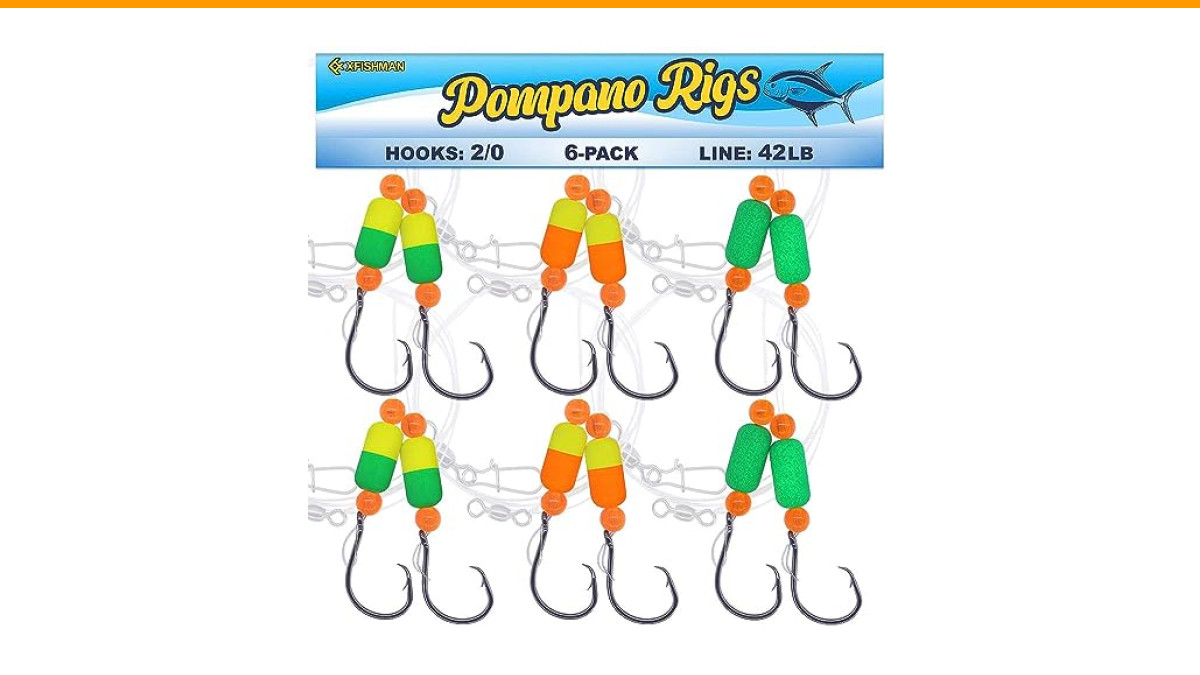
XFISHMAN
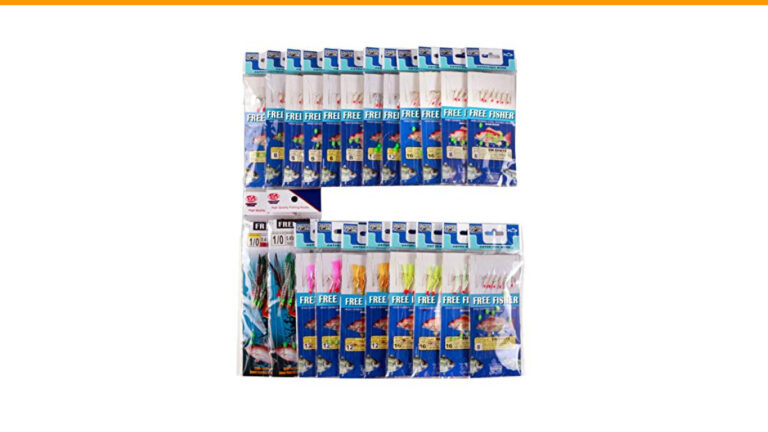
Pompano-Rigs-for-Surf-Fishing-Saltwater-Gear with Double Circle & Wide Gap Hook-6-Pack Surf Fishing Tackle
- FIELD TESTED HI/LOW FISHING FLOAT RIGS: Made for Surf Fishing enthusiasts of all levels. From beginners to pros, these rigs make f…
- USER-FRIENDLY DESIGN: Pompano Rigs are incredibly easy to use. Simply tie them to your line, add bait and weight, and you're ready…
- PREMIUM QUALITY COMPONENTS: Pompano Elite Rigs are made with top-notch materials, including 2/0 Circle hooks, 30lb camouflage mono…
Most surf anglers use a 9 to 12 foot rod with a medium-heavy action and 15 to 30 pound braided main line. The rig’s leader strength should be lower than your main line—say 30 pound leader on 40 pound braid—so you lose just the rig if you hang bottom, not your whole setup. This is the first rule of rigging: sacrifice the cheap part, keep the expensive part.
Now let’s talk about the four rigs that cover 95% of surf fishing situations. Each has a job, and each fails if you use it in the wrong place.
The High-Low Rig: The All-Around Performer
The high-low rig (also called a pompano rig) puts two hooks on dropper loops off a single leader. One hook rides high, one rides low. That lets you present two different baits at two different depths at the same time. It’s the go-to for pompano, whiting, croaker, and sea trout along the Gulf and Atlantic coasts.
You can buy these pre-made—and I recommend doing that if you’re in a hurry. The XFISHMAN Pompano Rigs come with 2/0 circle hooks, 30lb camouflage monofilament leader, #7 swivels, and #5 duo lock snaps. They’re set up with 3-inch branch arms and small floats that keep the bait off the bottom. Six packs mean you can lose a few to snags and still fish all day. That’s the practical way to start.
If you’d rather tie your own, the key is the dropper loop. It’s not hard, but you need to do it right.
Tying the Dropper Loop
- Double the line where you want the branch to come out. You’ll have a loop sticking up.
- Hold the loop and the standing line together. Wrap the doubled line around your hand 5 or 6 times.
- Pass the loop through the opening near your thumb, then pull the standing line to tighten. The loop should stand perpendicular to the leader.
- Trim the tag end, leaving about an inch. That tag becomes your branch arm.
- Tie your hook to the tag end with an improved clinch knot. Make sure the hook points up.
Space the loops about 12 to 18 inches apart. That spacing keeps the baits from tangling and gives each hook its own zone.
Best Baits and Species for This Rig
High-low rigs shine with cut bait—shrimp, squid, sand fleas, or fish bites. The small hooks (size 2/0 or smaller) match the small mouths of pompano and whiting. Use a 2 to 4 ounce pyramid sinker in calm surf, and bump to 6 ounces if the waves are rolling hard.
One thing I see beginners do wrong: they load both hooks with the same bait. Don’t. Put a sand flea on the bottom hook and a piece of shrimp on the top hook. Fish are picky. Give them a choice.
The Fish Finder Rig: For Sliding Baits and Long Casts
The fish finder rig is the classic for targeting larger fish like redfish, drum, and sharks. The weight slides freely on the main line, so a fish can pick up the bait and run without feeling the weight. That’s the whole point: a fish that feels resistance drops the bait.
This rig also casts like a rocket. The weight sits at the bottom, and the bait flies above it, so there’s less wind resistance. You’ll get 20 to 30 yards more distance compared to a high-low rig with two hooks and floats.
Setting Up the Sliding Sinker
- Slide a pyramid sinker onto your main line.
- Add a bead above the sinker to protect the knot.
- Tie a barrel swivel to the end of the main line.
- Attach a 2 to 4 foot leader (30 to 50 pound) to the other end of the swivel.
- Tie a circle hook (size 4/0 to 8/0) to the leader.
Use a fish finder rig when you’re fishing cut bait like mullet or menhaden for bigger predators. The circle hook is non-negotiable here—it catches the corner of the mouth, not the gut. That keeps release easy and avoids killing fish you don’t intend to keep.
One caveat: the sliding sinker can slide down and tangle with your hook on the cast. Pinch a split shot on the main line about 18 inches above the swivel to keep the weight from running into the hook. Cheap fix, saves you a headache.
The Carolina Rig: The Bottom-Bouncing Classic
The Carolina rig is a variation of the fish finder, but the weight is fixed in place with a swivel and a bead. The leader is longer—often 3 to 5 feet—and the hook is usually a live bait hook or a worm hook. It’s the standard for flounder, redfish, and speckled trout when you’re fishing live bait like mud minnows or finger mullet.
Set it up exactly like the fish finder, but instead of letting the sinker slide freely, you tie a swivel at the end of the main line and attach the sinker to a short dropper leader (6 to 12 inches) off that swivel. The main line then runs through the swivel to a longer leader. This keeps the bait near the bottom but lets it move naturally in the current.
The Carolina rig is more sensitive than the fish finder. You feel every nibble because the weight is fixed and the line runs straight to the hook. Use it in calm surf or when fishing from a pier, where you don’t need long casts.
The Pulley Rig: For Rough Ground and Heavy Surf
When the surf is pounding and the bottom is rocky or covered in shell, the pulley rig is your best friend. It uses a pulley system that lets the fish pull line directly from the spool, so the weight stays put on the bottom. That means fewer snags and more hookups in rough conditions.
To tie it: run your main line through a pulley rig (a small plastic or metal ring with a swivel). Tie the pulley to a pyramid sinker. Then tie your leader and hook to the other end of the pulley. When a fish bites, it pulls line through the pulley, which keeps the weight anchored.
This rig is popular in the Northeast for striped bass and in the Gulf for bull reds. It’s not for beginners—the pulley can tangle if you don’t cast smoothly—but once you get the hang of it, you’ll use it anytime the waves are over your knees.
Choosing the Right Rig for the Conditions
Here’s where most anglers go wrong: they use the same rig every trip. The surf changes, the fish change, and your rig should change too. Here’s a quick matrix based on what I’ve learned from 20 years of fishing the beach.
| Condition | Best Rig | Sinker Weight | Target Species |
|---|---|---|---|
| Calm, sandy bottom | High-low (pompano) | 2–4 oz pyramid | Pompano, whiting, croaker |
| Moderate surf, sandy | Fish finder | 4–6 oz pyramid | Redfish, drum, sharks |
| Rough surf, rocky bottom | Pulley rig | 6–8 oz pyramid | Striped bass, bull reds |
| Live bait fishing | Carolina rig | 3–5 oz egg sinker | Flounder, speckled trout |
Match the sinker to the current. If your line is bowing sideways, you need more weight. If you’re casting into a strong wind, go up one size. The goal is to keep your bait in the strike zone, not bouncing along the bottom like a beach ball.
Pro Tips for Casting Distance and Rig Presentation
Casting distance matters, but not for the reason most people think. It’s not about reaching the fish—it’s about getting past the breakers where the water is deeper and the fish are feeding. A 2-ounce weight won’t cut it in a 3-foot surf. Use 4 to 6 ounces and a rod rated for that weight.
Here’s a rule of thumb: your rod should bend about a third of the way down when you load it. If it bends near the handle, it’s too soft. If it barely bends, it’s too stiff. The right rod will load smoothly and launch your bait without you having to muscle it.
Line twist is another killer. Braided line doesn’t stretch, so any twist in the line becomes a tangle. Use a swivel at the top of your rig, and after every few casts, let your line run out behind the boat or off the beach to untwist. Ten seconds of that saves you ten minutes of picking tangles.
When you cast, don’t whip it like a fly rod. Use a smooth, two-beat rhythm: bring the rod back to about 10 o’clock, pause, then drive it forward to 2 o’clock. Let the weight load the rod. You’ll get 20% more distance with less effort.
Troubleshooting: Fixing Tangles, Break-offs, and Bait Theft
Every surf angler deals with these three problems. Here’s how to fix each one fast.
Tangles: Usually caused by a rig that’s too long or a hook that’s not attached properly. Shorten your leader to 18 inches or less. Make sure your hooks are tied with the point facing up. And always leave a little slack in the line when you cast—if you cast with a tight line, the rig will spin and tangle.
Break-offs: If you’re losing rigs to snags, you’re probably using too much weight. A 6-ounce pyramid holds bottom fine in most surf. If you’re using 8 ounces, you’re asking for trouble. Also check your knot—an improved clinch knot is fine for mono, but for braid, use a Palomar knot. It’s stronger and easier to tie.
Bait theft: Small fish hitting your bait before the big ones get to it. Use a larger hook (size 4/0 or bigger) to discourage pinfish. Or switch to a bait that’s tougher, like a whole shrimp with the shell on, instead of a peeled one. And don’t cast into the trough where the small fish hang out—cast past the breakers.
Rig Maintenance: Making Your Tackle Last Longer
Saltwater destroys gear. It’s not a matter of if, but when. But you can stretch the life of your rigs with a few habits.
Rinse your rigs in fresh water after every trip. I use a bucket of water and swish the rigs around for a minute. Then let them dry completely before storing. If you store them wet, the hooks rust and the line gets brittle.
Check your line for nicks and fraying. Run the line between your fingers—if you feel any roughness, cut it and retie. A 30-pound leader that’s 2 months old is not 30 pounds anymore. It’s maybe 20.
Store rigs on a foam board or in a plastic tackle box with dividers. Don’t throw them loose in a bag—they’ll tangle and the hooks will poke through. The XFISHMAN pre-made rigs come in a flat pack that’s easy to keep organized. That’s a small thing, but it makes a difference when you’re rigging up in the dark.
One more thing: replace the hooks if they start to rust. A dull hook won’t set properly, and you’ll lose fish that you would’ve landed. Check the points with your thumb. If they’re not sharp, replace the rig.
Final Cast: Your Surf Fishing Action Plan
- Match the rig to the conditions: high-low for calm sandy surf, fish finder for moderate surf, pulley for rough water.
- Use a pyramid sinker heavy enough to hold bottom—2 to 6 ounces depending on waves and current.
- Tie a dropper loop with 5 wraps and keep the branches 12 to 18 inches apart to avoid tangles.
- Always use a swivel to prevent line twist, and pinch a split shot above the swivel on fish finder rigs.
- Cast with a smooth two-beat motion, not a full-force whip, and let the rod load.
- Rinse rigs in fresh water after every trip and check hooks for rust before you go out.
- Keep a few pre-made rigs in your bag—like the XFISHMAN 6-pack—so you can switch quickly when the surf changes.
Surf fishing is simple once you understand the rigs. You don’t need a dozen different setups. You need four rigs, the right weight, and the sense to change when the conditions change. That’s it. Go catch something.